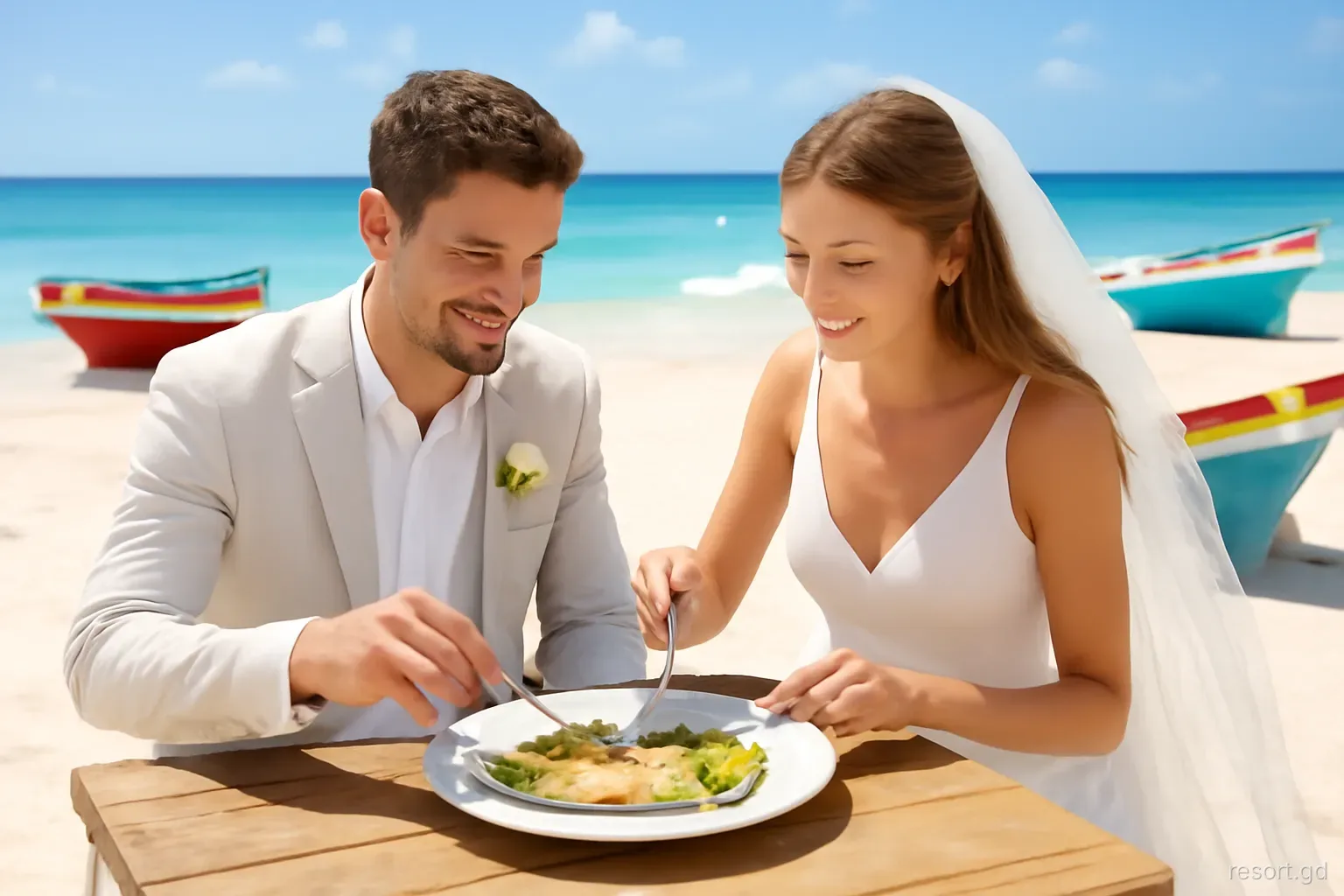
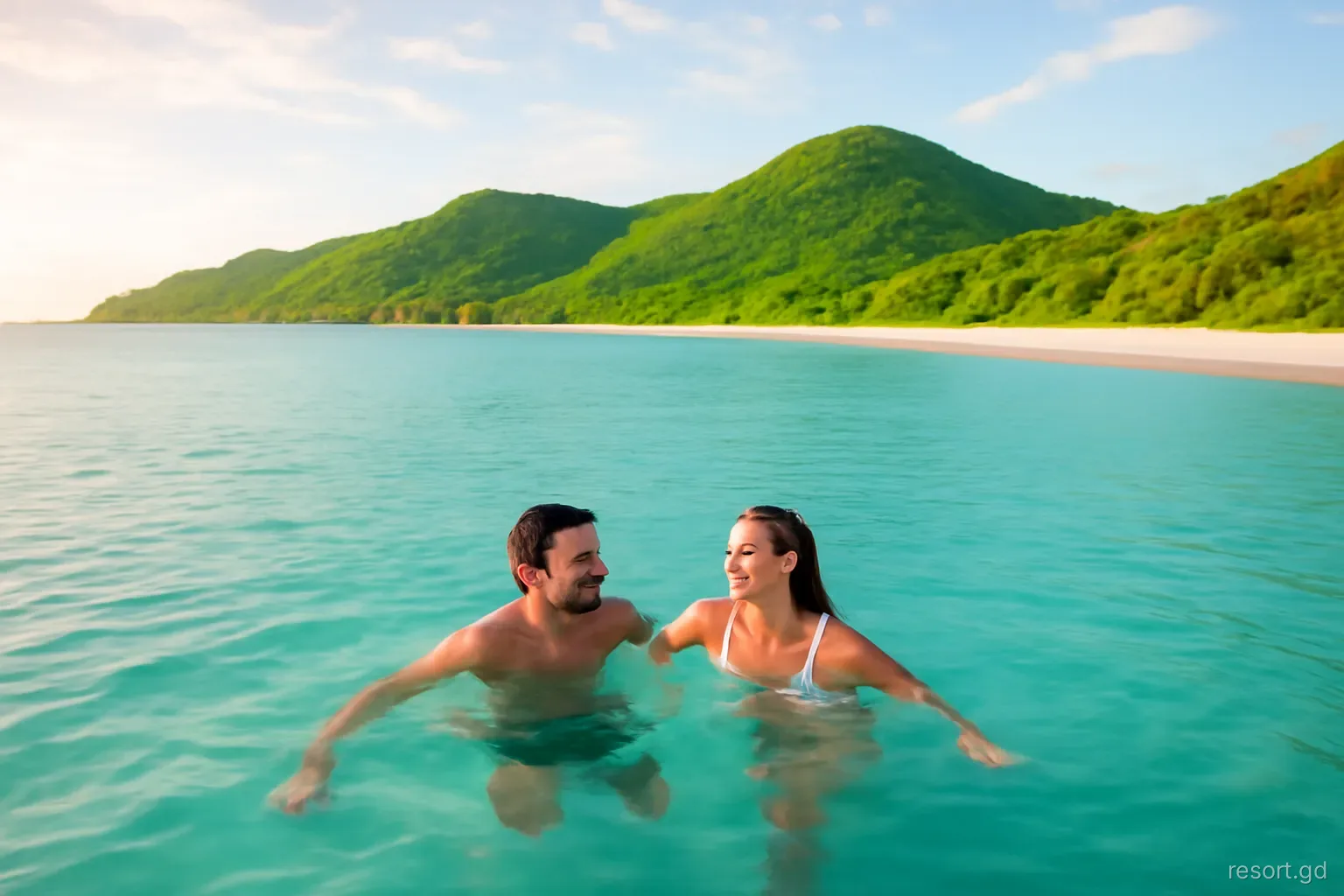
Grenada is warm all year, so the question for a wedding or honeymoon is not temperature but rain, wind, crowds and price. Sea and air temperatures change only a few degrees between January and September. What changes is how often it rains, how humid it feels, how busy the resorts are and what they charge.
For a wedding, dry weather and reliable afternoons matter most, along with flights that guests can actually book. For a honeymoon, couples are often happy to trade a few showers for quieter beaches and better rates. The best month for one is not always the best for the other.
The guide below runs through the year in seasons, then flags festivals and holidays that affect plans. Weather patterns vary from year to year, so treat this as typical rather than guaranteed.
December to April: dry season and peak demand
The dry season is the traditional choice for weddings, and with good reason. Trade winds keep the humidity down, rain tends to come as brief showers rather than long downpours, and afternoons are usually clear. February through April are often the driest months. The hillsides turn browner as the season goes on, but the beaches and sea are at their most dependable.
The cost of that reliability is demand. Resorts charge their highest rates, especially over Christmas and New Year and around Easter, and many require minimum stays in the peak weeks. Sunset ceremony slots, popular photographers and the larger rooms book out well ahead. Flights from North America and Europe are more frequent in this period, which helps guests, but fares climb close to the holidays.
For a honeymoon straight after a winter wedding, the dry season also suits active days: hiking in Grand Etang, waterfalls, sailing to Carriacou or snorkelling at Moliniere Bay are all easier when trails are dry and seas settled.
May to July: the shoulder that many couples miss
May and June often give some of the best value of the year. The dry season usually lingers into May, prices begin to drop after Easter, and resorts are noticeably quieter. The rainy season generally begins around June, but early-season rain often arrives as heavy short bursts with sunshine between, rather than days of grey sky.
July is warmer and more humid, with more frequent showers. The official Atlantic hurricane season starts on 1 June, but early-season storms are less common, and Grenada lies near the southern edge of the usual track, though it is not immune. Hurricane Ivan in 2004 and Hurricane Beryl in July 2024, which caused severe damage on Carriacou and Petite Martinique, are reminders that serious storms do reach the islands.
For a small wedding or an elopement, early in this period can be a sensible compromise: lower prices, softer crowds and a reasonable chance of a dry afternoon. Build a firm wet-weather plan regardless.
August to November: wettest months and lowest rates
Rain and humidity. This is usually the wettest stretch of the year. Showers can be heavy and frequent, and the air feels thick, especially in the still hours before rain.
Storm risk. August to October is the core of the hurricane season. Most weeks pass without incident, but a tropical storm can disrupt flights and ceremonies at short notice. Travel insurance that covers weather disruption matters here.
Closures. Some smaller hotels and restaurants close for several weeks, often in September or October, for maintenance and staff holidays. Check that your chosen property and favourite restaurants are open.
Value. Rates are typically at their lowest, upgrades are easier to secure and beaches are quiet. Honeymooners who can live with a flexible daily plan find real advantages.
Carnival. Spicemas, Grenada's carnival, peaks in early to mid-August. It is lively and loud, roads around St George's close for parades, and accommodation fills with returning diaspora visitors.
Dates that affect wedding plans
Beyond weather, several fixed points in the Grenadian calendar change how easy a wedding is to arrange. Government offices close on public holidays, which matters for the marriage licence.
- Independence Day, 7 February: a national holiday with celebrations around St George's; offices are closed.
- Easter: Good Friday and Easter Monday are holidays, and the weekend is busy with local beach outings.
- Carriacou Maroon and String Band Music Festival: usually held in late April on Carriacou; accommodation there fills up.
- Emancipation and Carnival, early to mid-August: public holidays, parades and road closures on the main island.
- Carriacou Regatta: traditionally around the start of August, bringing visitors to the sister isle.
- Christmas to New Year: peak demand, high prices and minimum stays at most resorts.
Choosing your month: a quick decision guide
If guests are flying in and the day must go to plan, choose between January and May, and avoid the holiday peaks unless you are comfortable paying for them. February to April gives the best odds of dry weather; January and May offer a good balance with slightly lower prices.
If it is just the two of you, the field opens up. May and June combine fair weather with lower rates. The wetter months can work well for an elopement or honeymoon if you accept some rain, book a property that is definitely open, and insure the trip.
Whatever you pick, decide early and book the essentials together: the venue or resort, the key supplier such as the photographer, and flights for the people who matter most. In Grenada the best rooms and the most popular dates go first in winter, while in the green season the risk is the opposite, finding that a favourite small hotel is closed for its annual break.
For a honeymoon that includes Carriacou or Petite Martinique, check accommodation status directly, as rebuilding after Hurricane Beryl has continued unevenly, and some properties may have reopened with changes. Ferries and flights to the sister isles are also easier to plan in the calmer, drier months.
Sea conditions, seaweed and the honeymoon calendar
Weather is not only about rain. The sea on the south-west coast is usually calm year-round, which is why most resorts sit there, but winter swells can occasionally reach the Caribbean side and make beaches rougher for a few days. The Atlantic coast is consistently livelier and better admired than swum, particularly for anyone not used to surf.
Sargassum seaweed has become a recurring feature across the eastern Caribbean in recent years. In Grenada it tends to wash up mainly on windward, east-facing shores, and some years are much heavier than others. It rarely affects the main south-west beaches to the same degree, but a honeymoon in an east-coast villa or a ceremony on a windward bay is more exposed. Ask your hotel or planner about recent conditions a few weeks before travel.
For divers and snorkellers on honeymoon, visibility is generally good through much of the year, though runoff after heavy rain can cloud the water near river mouths. Calm, dry spells are best for a day sail to Sandy Island off Carriacou or the Underwater Sculpture Park.
How the season changes the honeymoon itself
A dry-season honeymoon tends to be busier and more social: resort restaurants are full, popular boat trips book out, and beaches around Grand Anse have more visitors, especially on cruise-ship days. Booking the dinners and excursions that matter most before arrival is sensible in January to April.
In the wetter months the rhythm changes. Mornings are often the clearest part of the day, so plan hikes, waterfalls and boat trips early and keep afternoons for the spa, the pool and long lunches. Rivers and waterfalls run fuller, which makes them more impressive, but trails become muddy and slippery and some are best skipped after heavy rain. Fewer visitors mean quieter beaches and better chances of a room upgrade, although a few boutique hotels and restaurants take their annual break. For a honeymoon, flexibility is the real currency in this period: a loose plan and a property you love staying at make the occasional wet afternoon a pleasure rather than a loss.
Frequently asked questions
What is the driest month in Grenada for a wedding?
February to April are typically the driest months, with March and April often the most reliable. Rain is still possible, so every outdoor ceremony needs a covered back-up, but long downpours are less common in this period.
Is it safe to honeymoon in Grenada during hurricane season?
Many couples do, and most weeks pass without storms. Grenada sits near the southern edge of the hurricane belt but has been hit, notably by Ivan in 2004 and Beryl in 2024. Buy suitable travel insurance and follow official advice if a storm forms.
When are Grenada resorts cheapest?
Rates are usually lowest from late August through November, with good shoulder value in May and June. Some smaller properties close for part of September or October, so check opening dates before booking.
Should we avoid getting married during Carnival in August?
Not necessarily, but expect road closures around St George's, public holidays that close government offices, loud celebrations and busy accommodation. If you want calm and easy logistics, choose another time.
How hot is Grenada in summer compared with winter?
Temperatures vary only a few degrees through the year. The difference is humidity and rain: the wetter months feel noticeably stickier, while dry-season trade winds make afternoons more comfortable for guests in formal clothes.