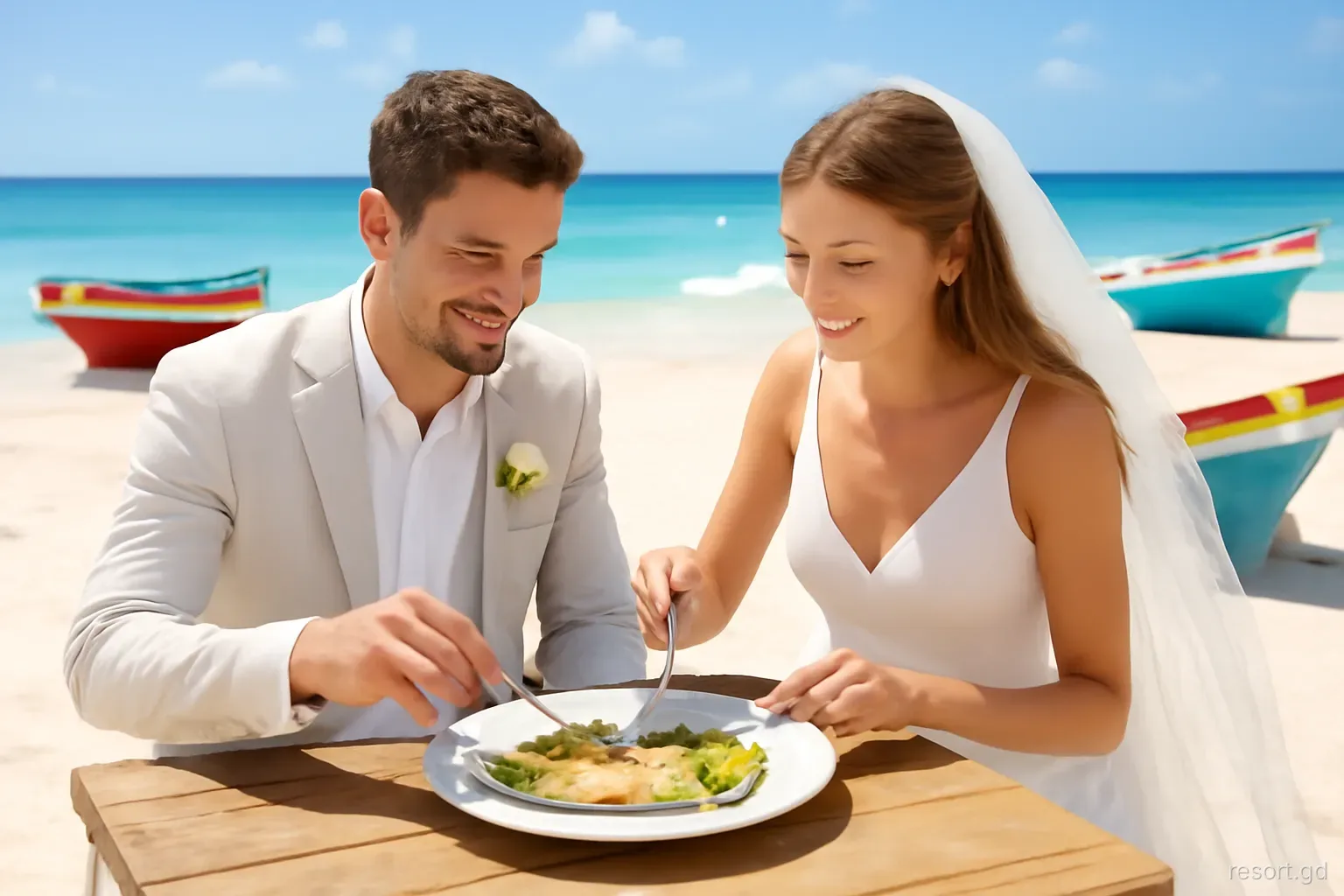
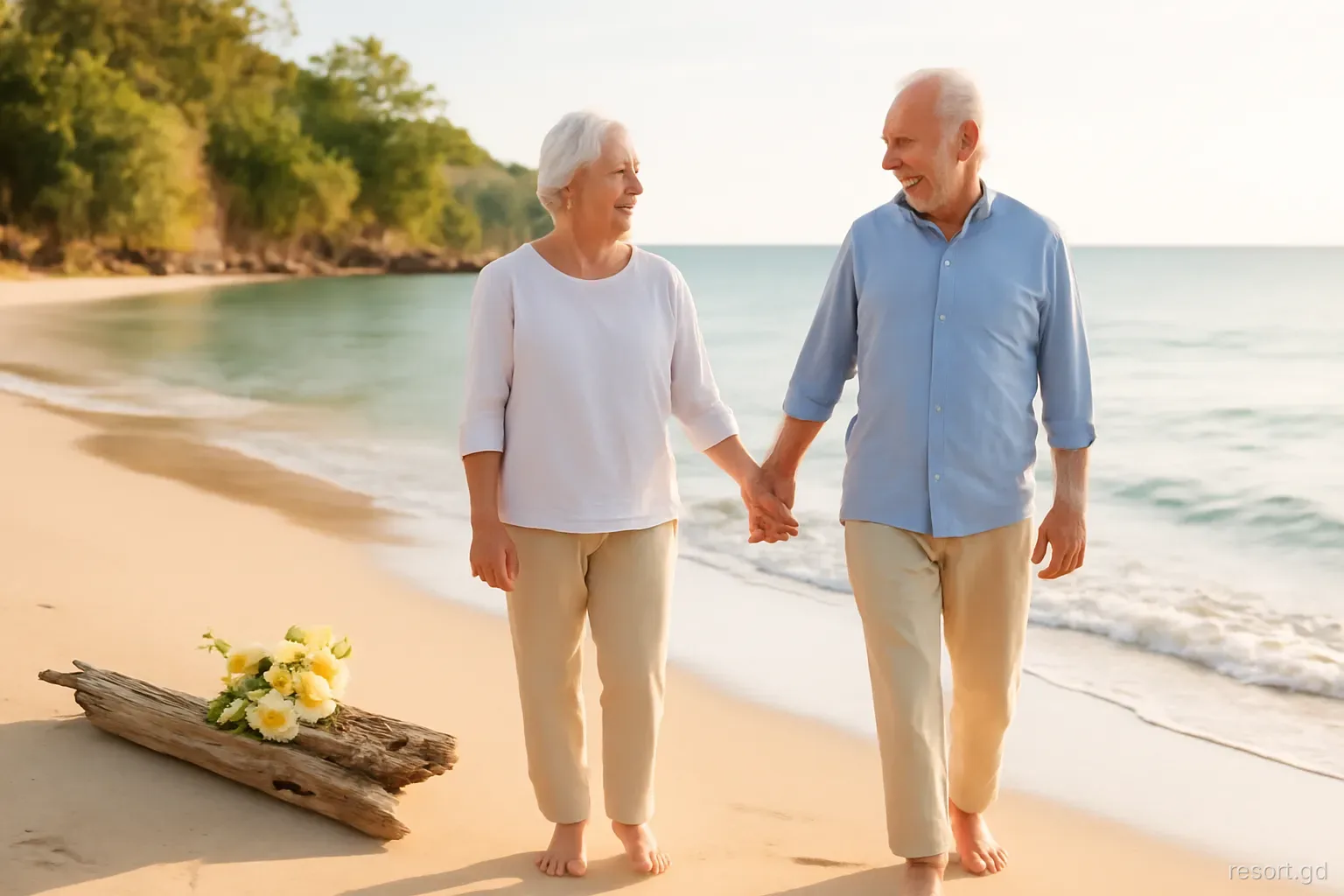
Not every wedding in Grenada involves a guest list. A good share of the ceremonies on the island are for two people, sometimes with a photographer and a couple of borrowed witnesses, sometimes for couples who married years ago and want to say the words again somewhere warm. These small ceremonies are easier to arrange than large weddings, but they still have rules, and they reward a little thought.
The first decision is whether the ceremony is legal or symbolic. An elopement that is meant to create a marriage needs the full special licence process, original documents and a licensed marriage officer. A vow renewal, or a ceremony for a couple who will marry legally at home, does not. Mixing the two up is the most common source of confusion.
This guide explains both routes, the practical choices for a two-person day and the details that keep it from feeling like a production.
Legal elopement or symbolic ceremony?
A legal elopement in Grenada follows the same process as any other visitor wedding. Both partners apply for a special marriage licence through the Prime Minister's Office in St George's, bring their original birth certificates, passports and sworn declarations of single status, plus a final divorce decree or death certificate if previously married, and pay the government fees and stamp duty. A licensed marriage officer performs the ceremony, two witnesses sign, and the marriage is registered. The certificate comes from the Registrar General.
A symbolic ceremony carries no legal effect, so no licence is needed. It can be led by anyone the couple chooses, including a friend, a resort staff member or a celebrant, and it can take place anywhere the property owner allows. Couples choose this route when they have already married or will marry at a register office at home, often because their own country's recognition process is simpler that way, or because they want the freedom to write the ceremony without legal wording.
Be clear which you want when you contact planners or resorts, because the packages, timelines and costs differ.
Arranging the essentials for two
Witnesses. A legal ceremony needs two witnesses. Couples travelling alone can ask the resort or planner to provide them, often staff members, and it is courteous to thank them with a gift or tip.
The officiant. For a legal marriage, the officiant must be a licensed marriage officer. Many resorts and planners work with regular officers. For a symbolic ceremony, you can choose anyone, and some couples prefer a celebrant who will help write personal vows.
Time and place. Small ceremonies can happen at quieter times and places than larger weddings: an early morning on the beach, a garden at a boutique hotel or a terrace with a view of St George's harbour.
Photography. For many eloping couples the photographer is the main expense and the main record. Look for someone who works unobtrusively and can suggest settings beyond the obvious beach shot.
Paperwork timing. For a legal elopement, arrive with enough working days to apply for the licence, and avoid weekends and public holidays when offices are closed.
Vow renewals: what makes them work
Vow renewals are popular with couples marking a significant anniversary, with diaspora couples returning to the island where one of them grew up, and with couples whose first wedding was small or rushed. Because there is no legal requirement, the ceremony can be as simple or elaborate as you like.
The renewals that feel most meaningful usually include something personal. Couples write new vows, involve children or grandchildren, or return to a place connected to their history, such as a family church or a particular beach. Some include Grenadian elements: a steel pan player, local flowers such as hibiscus, ginger lily or bird of paradise, a dinner of local food or a toast with Grenadian rum.
For an anniversary renewal with family, a private dinner afterwards often matters more than the ceremony itself. A villa terrace, a resort private dining area or a small restaurant booked exclusively for the evening all suit a group of ten to twenty.
Settings that suit small ceremonies
Two people need far less space than a wedding party, which opens up places that would not work for a crowd. Ideas worth considering, with permission where needed:
- A quiet bay on the south coast, such as the coves around Lance aux Epines, at sunrise or late afternoon.
- The garden or rooftop of a boutique hotel, where you may have the space to yourselves.
- A viewpoint over St George's and the Carenage, followed by dinner in town.
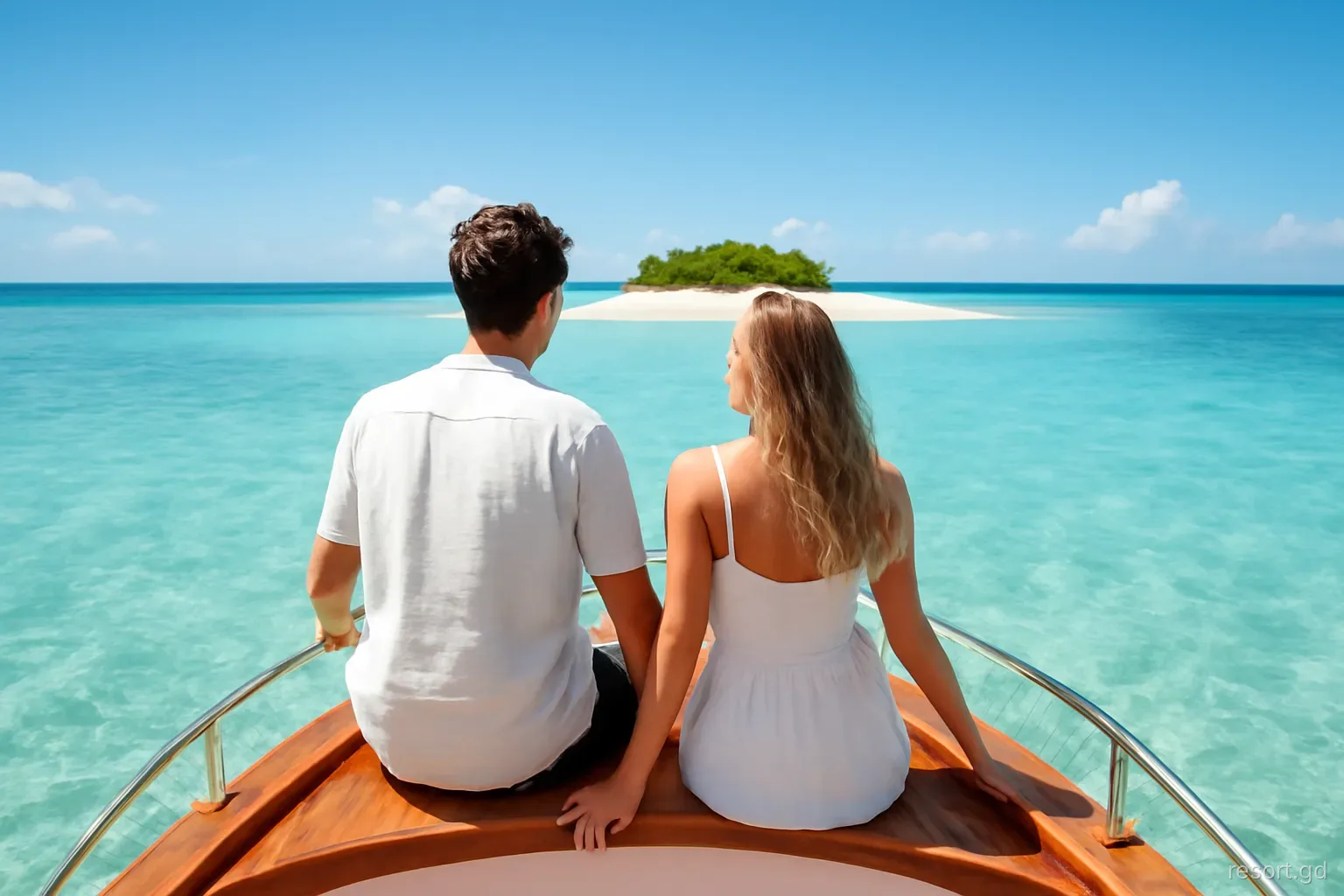
- A catamaran or private boat, with the legal signing done ashore if the ceremony is legal.
- A beach on Carriacou, for couples happy to travel further for near-empty sand; check post-Beryl conditions first.
- A historic church, for couples with a family connection, by arrangement with the parish.
Keeping it personal, not packaged
Resort elopement packages are convenient but can feel standardised: the same arch, the same playlist, the same time slot as the couple before you. A few simple choices change that. Ask whether you can choose the music, perhaps a single steel pan piece or a song played on a phone speaker. Choose your own flowers rather than the default. Ask for a location away from the main pool and restaurant, and for staff to keep passers-by at a distance.
Think about how you want to spend the rest of the day. Many couples find that the ceremony takes twenty minutes and then the afternoon feels empty. A private boat trip, a picnic on a quiet beach, a spa treatment for two or a long dinner somewhere special turns the ceremony into a whole day.
Finally, decide how you will share the news. Some eloping couples arrange a video call with family immediately after the ceremony; others wait until they get home. Either is fine, but having a plan avoids the awkwardness of a family hearing second-hand.
What a small ceremony costs
An elopement or vow renewal is far cheaper than a full wedding, but it is not free, and the costs fall in a few places. For a legal elopement, the government licence fee and stamp duty are the fixed part, with a supplement if the licence is issued within 24 hours of application and a separate charge where neither partner is a citizen. Add the marriage officer's fee, which rises for out-of-town or weekend ceremonies, and any planner or resort package that bundles the arrangements.
For a symbolic ceremony, the legal costs disappear, leaving the celebrant, set-up and flowers. In both cases photography is often the largest single cost, followed by a private dinner or boat trip. Resorts usually quote in US dollars, often with VAT and service charge on top. Ask for an itemised quote, compare it with booking a photographer and a celebrant independently, and confirm the current government fees rather than relying on figures published years ago.
Mistakes small-ceremony couples make
Small ceremonies go wrong for different reasons from large weddings. Watch for these:
- Assuming an elopement needs less paperwork. A legal elopement needs exactly the same documents and licence as a large wedding.
- Arriving too late. Landing a day before a legal ceremony leaves no time to apply for the licence, let alone fix a document problem.
- Booking a symbolic ceremony by mistake. Some packages are symbolic only. If you want to be legally married, confirm that the package includes the licence and a licensed officer.
- Forgetting home recognition. If marrying legally, check whether your country requires you to register the marriage on return.
- Under-budgeting photography. With no guests taking pictures, the photographer is the only record of the day.
Frequently asked questions
Can we elope in Grenada with no guests?
Yes. A legal ceremony needs two witnesses, but resorts and planners can provide them. You still need a special marriage licence, original documents and a licensed marriage officer, so arrive with enough working days to complete the application before the ceremony.
Do we need a marriage licence for a vow renewal in Grenada?
No. A vow renewal or symbolic ceremony has no legal effect, so no licence is required. It can be led by anyone you choose and held anywhere the property owner permits. Bring nothing more than your rings and the words you want to say.
Who can perform a symbolic ceremony in Grenada?
Anyone you choose, such as a friend, a celebrant, or someone arranged by the resort. Because it creates no legal marriage, the officiant does not need to be licensed, although many couples still use an experienced celebrant to shape the ceremony.
Is it cheaper to elope or have a symbolic ceremony?
A symbolic ceremony avoids licence fees, stamp duty and document costs, and does not require extra days for paperwork. If you marry legally at home, it can work out cheaper overall. Costs for photography, flowers and dinner are similar either way.
What do witnesses do at a Grenada wedding?
They watch the ceremony and sign the marriage register alongside the couple and the marriage officer. They need to be adults and should carry identification. Couples without friends present usually ask the resort or planner to arrange two witnesses.