Many visitors come to Grenada to be active. They hike Grand Etang and Mount Qua Qua, dive the Bianca C and the reefs off the south-west coast, sail to Carriacou and the Grenadines, and swim, paddle and snorkel every day. By the middle of the week, legs ache, shoulders burn and sleep is broken by tiredness that a quick nap does not fix.
Recovery is the part of an active holiday that gets least attention and makes the most difference. A planned rest day, a well-timed massage, proper hydration and attention to small injuries keep the rest of the trip enjoyable and safe. Ignoring them is how a sprained ankle, heat exhaustion or a nasty coral cut ends a holiday early.
This guide covers recovery for the three most common active pursuits in Grenada, how and when to use the island's spas, and the warning signs that call for a doctor rather than a massage.
After hiking: legs, feet and heat
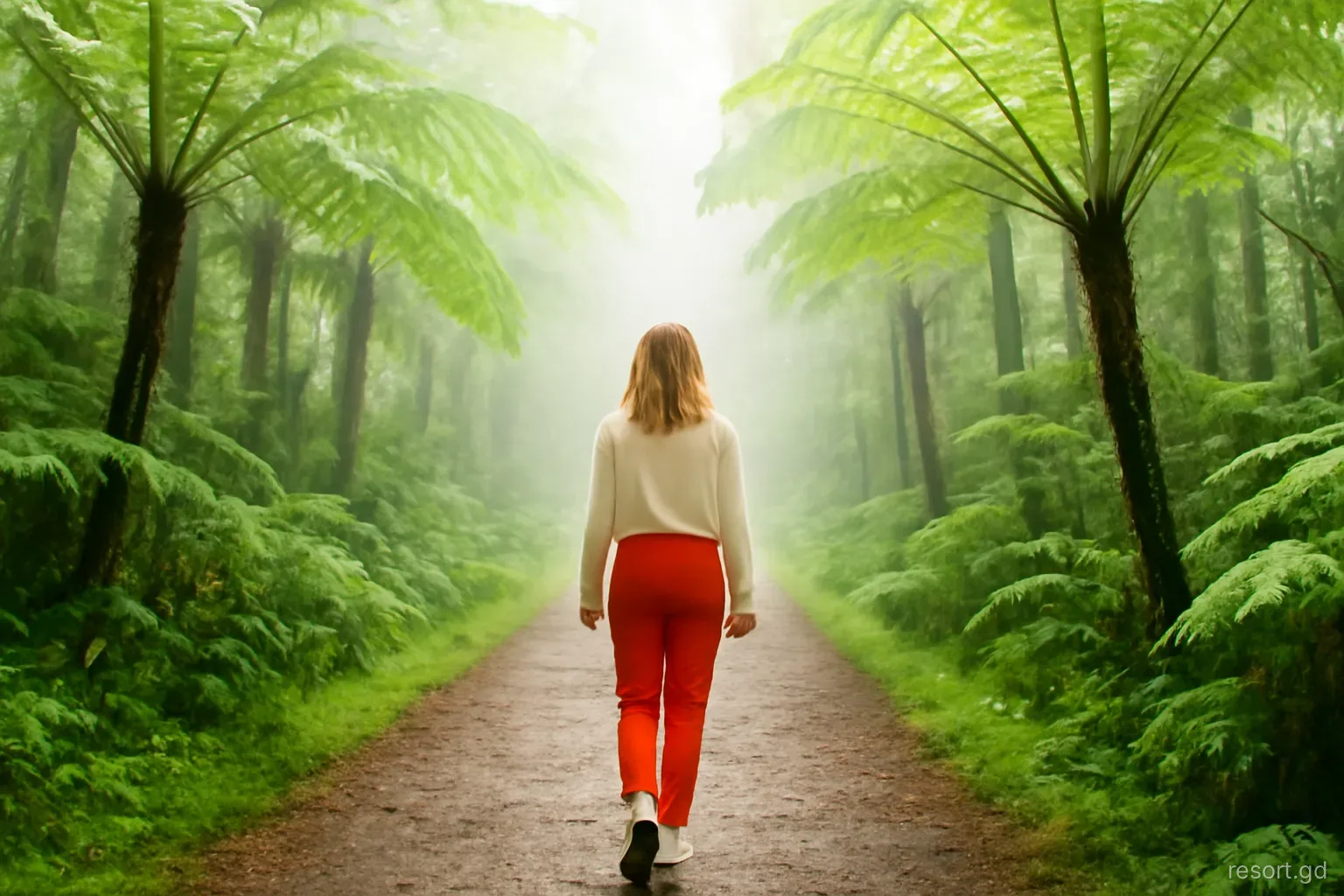
Grenada's trails are steep, muddy and humid. Walks to waterfalls such as Seven Sisters or longer hikes in Grand Etang work the legs hard, particularly on descents, and the humidity drains fluids faster than many visitors expect. Expect sore calves, thighs and knees the next day, especially after a first long hike.
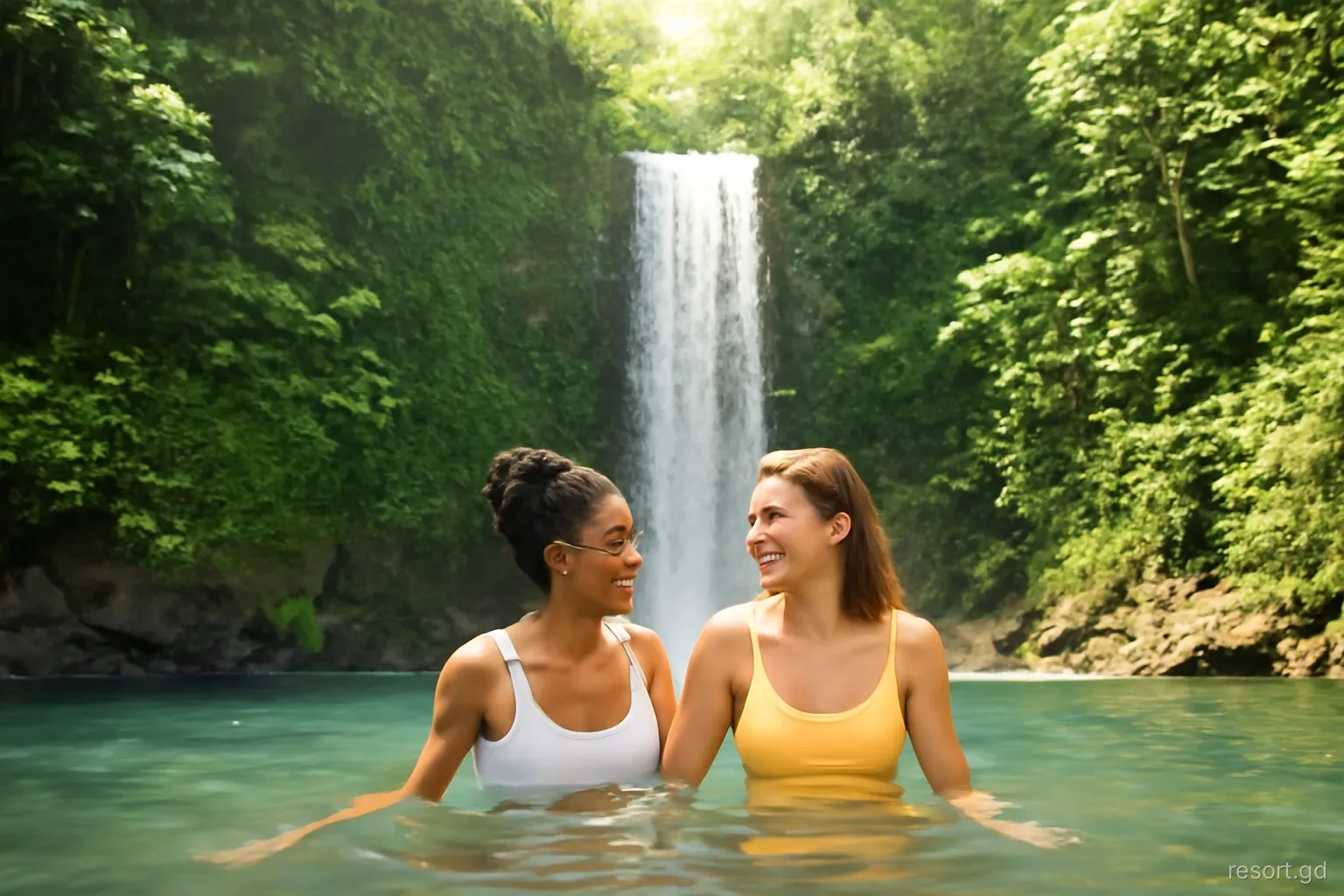
The basics of recovery are simple. Rehydrate steadily after the hike, with water and something salty or coconut water to replace electrolytes. Eat a proper meal. Stretch gently that evening. Cool water helps: a swim in the calm sea or a cool shower eases tired legs and lowers body temperature.
A massage is most useful the day after a hard hike, once initial soreness has set in, rather than immediately afterwards while still hot and dehydrated. Ask for a sports or deep tissue massage focused on the legs if muscles are tight, or a lighter treatment if everything aches. Check feet for blisters and treat them before the next walk.
After diving: timing and caution
Diving in Grenada, from the Bianca C wreck to reef sites along the south-west coast, often involves multiple dives a day for several days. Divers tend to feel tired, sometimes cold, and occasionally have mild aches from equipment and exertion. Recovery here needs a little more caution than after hiking.
Dive training agencies and dive medicine organisations generally advise avoiding very hot baths, saunas and hot tubs immediately after diving, and leaving time before vigorous exercise. Some therapists and dive operators also suggest avoiding deep tissue massage on the same day as diving, since unusual aches could be confused with symptoms of decompression illness. Follow your dive operator's advice and save the deep massage for a non-diving day.
Flying after diving needs planning too. Standard guidance recommends a surface interval of at least twelve hours after a single dive and longer, often eighteen hours or more, after multiple dives or multiple days of diving before flying. This includes small-plane flights to Carriacou. Plan your last dive accordingly.
After sailing: sun, salt and seasickness
Sun and wind. A day on the water exposes skin to reflected sun and wind, so sunburn and dehydration are common even when it feels cool. After sailing, rehydrate, cool down and treat sunburn with aloe or after-sun.
Salt and skin. Salt spray dries skin and hair. A fresh-water shower and a moisturiser, such as coconut oil or cocoa butter, help.
Seasickness. The channel between Grenada and Carriacou can be lively, and seasickness can leave people drained for the rest of the day. Rest, small amounts of food and water, and fresh air help recovery. Ginger tea is a traditional remedy.
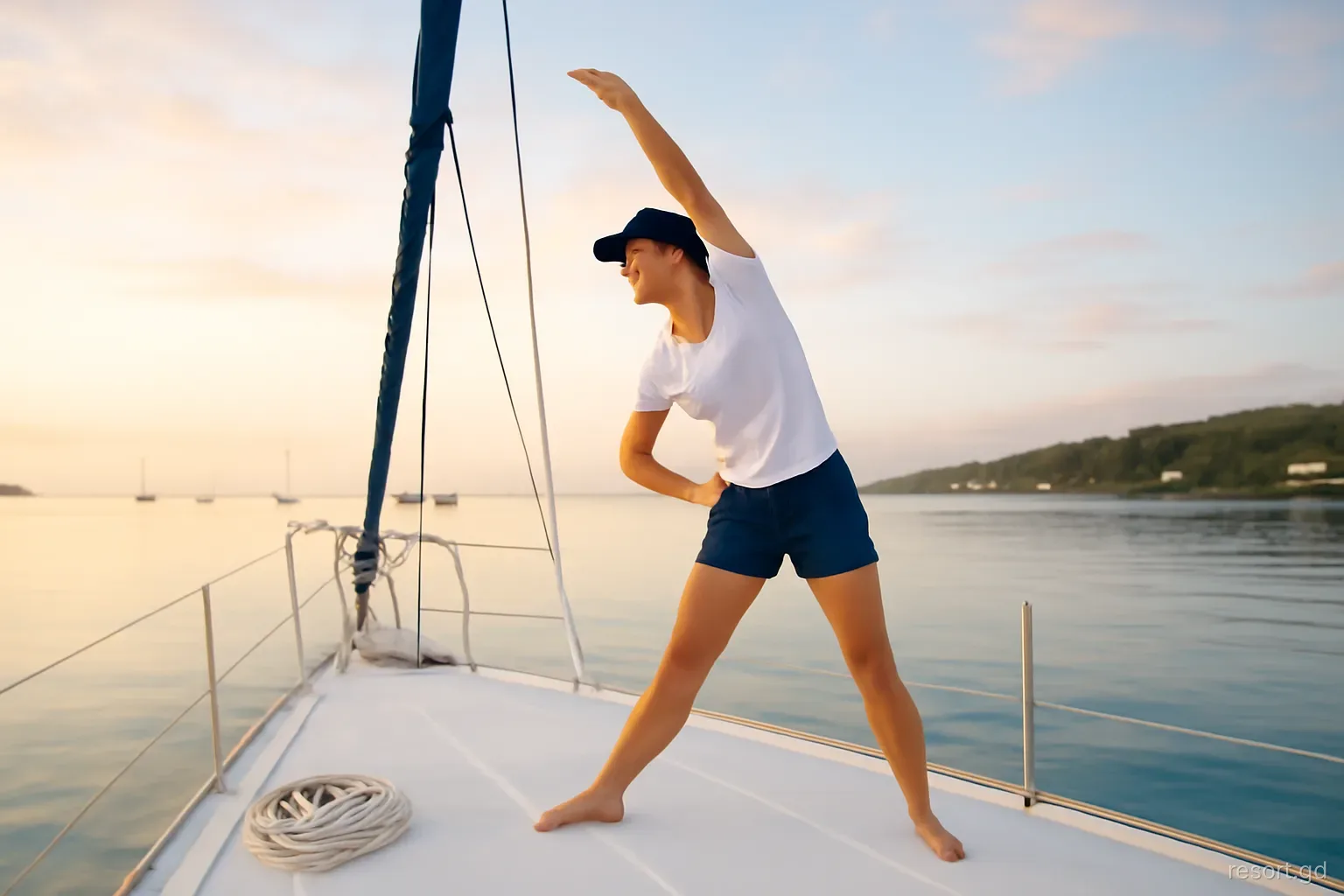
Aches and bruises. Moving around a boat, especially in swell, leaves knocks and bruises and works muscles you do not normally use. A gentle massage or yoga stretch the next day helps.
Land sickness. After several days at sea, some people feel the ground moving. It usually settles within a day or two, though it can linger longer for some.
Using the spa for recovery
Grenada's resort and independent spas offer treatments that suit active travellers. Sports and deep tissue massages target tight muscles. Spice massages using nutmeg or other warming oils are popular for aches. Scrubs and wraps help sun- and salt-worn skin, though not when sunburnt. Foot treatments are welcome after days in hiking boots or barefoot on sand.
Tell the therapist what you have been doing and where it hurts. A good therapist adjusts pressure and focus, and avoids injured areas. Be honest about recent dives, sunburn, cuts or any sprains, as these change what is appropriate.
Timing matters. A massage the day after hard exertion, or on a planned rest day, is more effective and comfortable than one squeezed in between activities. Allow time afterwards to rest and rehydrate rather than rushing to the next excursion.
Hydration and food on active days
Heat and humidity are the hidden load on every active day in Grenada. Sweat losses on a long hike or a day in the sun on a boat can be large, and thirst lags behind need. Drink before setting out, carry more water than seems necessary, and keep sipping rather than gulping at the end. Coconut water, fruit and salty snacks help replace what sweat removes; a cold Carib beer at the end of a hike is a pleasure, but not a rehydration plan.
Food matters too. Many active visitors skip lunch on dive or sailing days and then eat a large late dinner, which leaves them under-fuelled during the day and sleeping badly at night. A proper breakfast, a snack on board or on the trail, and a balanced meal after exertion make a difference by day three. Local staples such as fish, rice and peas, provisions like dasheen and breadfruit, and fresh fruit suit recovery well.
Warning signs that need a doctor, not a massage
Most aches and tiredness are normal on an active holiday. Some symptoms are not, and need medical attention promptly. In an emergency, call 911.
- After diving: joint pain, numbness, tingling, unusual fatigue, skin rash, dizziness, difficulty breathing or confusion. These may indicate decompression illness; contact your dive operator and medical services immediately.
- Heat illness: confusion, very high temperature, hot dry skin, fainting or vomiting. Move to shade, cool down and seek help urgently.
- Coral and reef cuts that become red, swollen, hot or painful. Coral cuts can become infected easily in the tropics; clean them well and see a doctor if they worsen.
- Fever, severe headache, joint pain or rash, which in the Caribbean may indicate dengue or another mosquito-borne illness.
- Sprains with significant swelling or inability to bear weight, which may need an X-ray.
- Persistent vomiting or diarrhoea leading to dehydration.
Planning rest days into an active trip
The simplest recovery tool is a planned rest day. For a week of hiking, diving or sailing, one or two rest days in the middle make the second half of the trip far more enjoyable. A rest day in Grenada can still be pleasant: a morning sea bath, a slow breakfast, a spa treatment, a long lunch and an afternoon by the pool or on a quiet beach.
Group activities can make rest days hard to protect, since the schedule is often set around tours or dive trips. Build them in from the start rather than hoping to find a spare day. For dive trips, a non-diving day before flying home is required anyway, and makes a natural spa or exploration day.
Accommodation also matters. A base in the south-west keeps beaches, dive operators, marinas and spas close together, so a rest day does not involve long drives.
Frequently asked questions
Can you have a massage after diving in Grenada?
Many dive operators and therapists suggest avoiding deep tissue massage on the same day as diving, as aches could be confused with symptoms of decompression illness. A gentle massage may be fine, but a non-diving day is safest for deeper work. Follow your dive operator's advice.
How long should you wait to fly after diving in Grenada?
Standard guidance recommends at least twelve hours after a single dive and longer, often eighteen hours or more, after multiple dives or days of diving. This applies to small-plane flights to Carriacou as well as international flights.
What helps sore legs after hiking in Grenada?
Rehydrate with water and electrolytes, eat well, stretch gently and cool off with a sea swim or cool shower. A sports or deep tissue massage the following day can ease tight muscles once initial soreness sets in.
What is the best remedy for seasickness on the Carriacou ferry?
Sit low and towards the middle of the boat, look at the horizon, get fresh air and avoid heavy meals before sailing. Ginger is a traditional remedy, and pharmacy medication taken before departure helps many people.
How do you treat coral cuts in Grenada?
Clean the cut thoroughly with fresh water and antiseptic, remove any debris and keep it covered and dry. Coral cuts often become infected in the tropics, so see a doctor if the area becomes red, swollen, hot or painful.