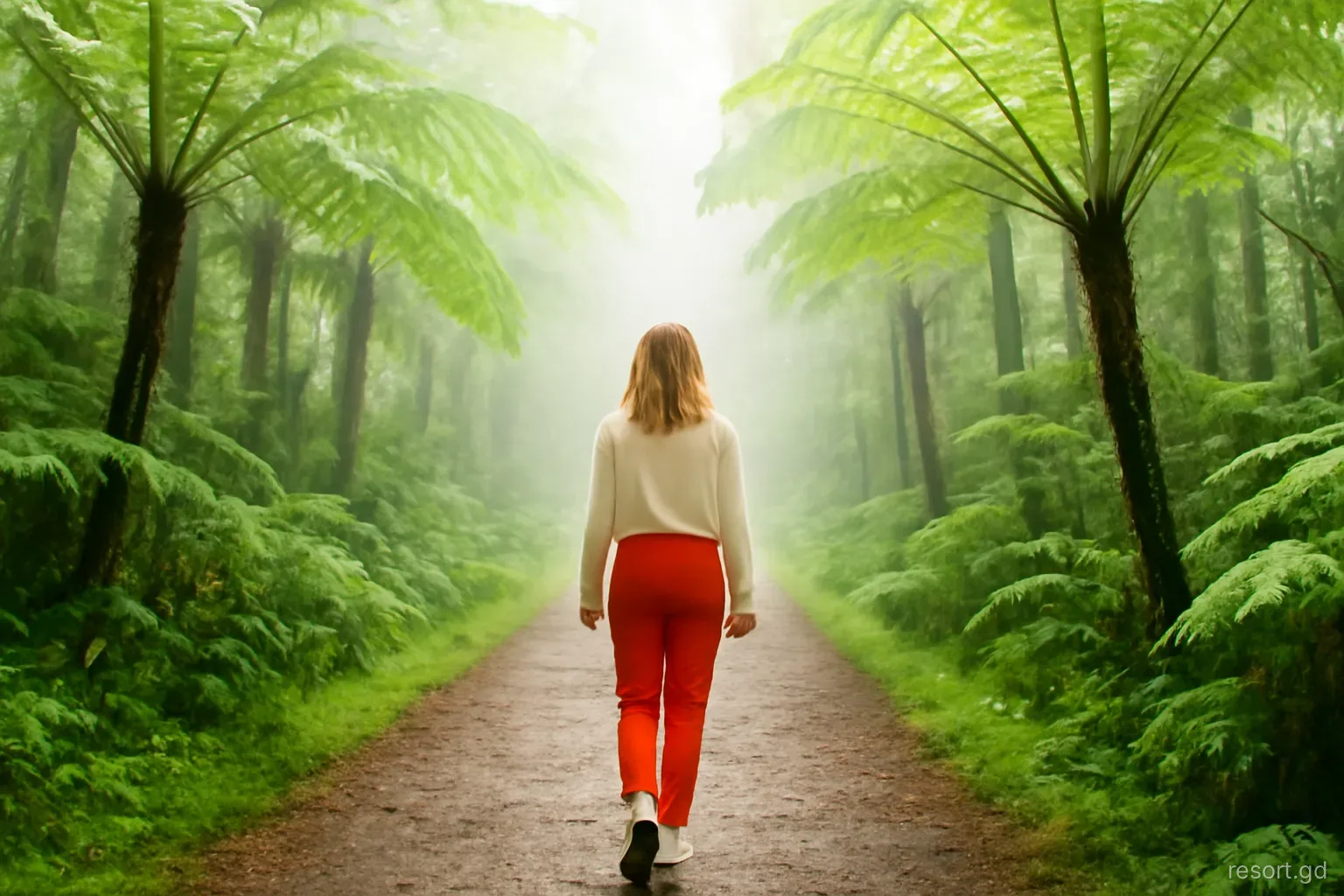
A wellness holiday does not need to come as a branded retreat with a fixed schedule. Grenada lends itself well to a self-designed stay: a calm place to sleep, fresh local food, daily movement in the sea or the forest, time in a spa and enough quiet to feel the difference by the end of the week. Many visitors build exactly this without calling it anything special.
The advantage of designing it yourself is flexibility. You choose the pace, the balance between activity and rest, and how much structure you want. The risk is drifting into an ordinary holiday of long lunches and late nights, which is fine but not the same thing.
This guide sets out the building blocks of a wellness stay in Grenada: where to base yourself, how to eat, how to move, how to rest and how to put it together into a week that actually restores rather than just entertains.
Choosing the right base
Where you sleep shapes everything else. For a wellness stay, the priorities are quiet, comfort, easy access to the sea or nature, and a kitchen or good food nearby. Large resorts with busy pools and evening entertainment are less suited to rest, unless you choose a quiet wing or an adults-only property.
Boutique hotels and smaller properties around Morne Rouge, Lance aux Epines and the quieter south-coast bays offer calm with restaurants within reach. Hillside villas and apartments give privacy and space for morning yoga or meditation on a terrace. For a deeper nature experience, eco-lodges and guesthouses in the interior or on the quieter east and north coasts put you closer to the forest and rivers, at the cost of longer drives to beaches and restaurants.
A split stay works well: a few nights near the sea for swimming and spa time, and a few in the hills or on Carriacou for quiet. Check what is open, especially in the quieter months and on Carriacou after Hurricane Beryl.
Eating well, the local way
Grenada makes healthy eating easy if you lean on local produce. Markets, including the main market square in St George's, and roadside stalls sell mangoes, papaya, bananas, passion fruit, soursop, golden apple, avocado (known locally as zaboca) and seasonal fruit, along with fresh vegetables, herbs and root crops such as dasheen and sweet potato. Fresh fish is widely available, often caught the same morning.
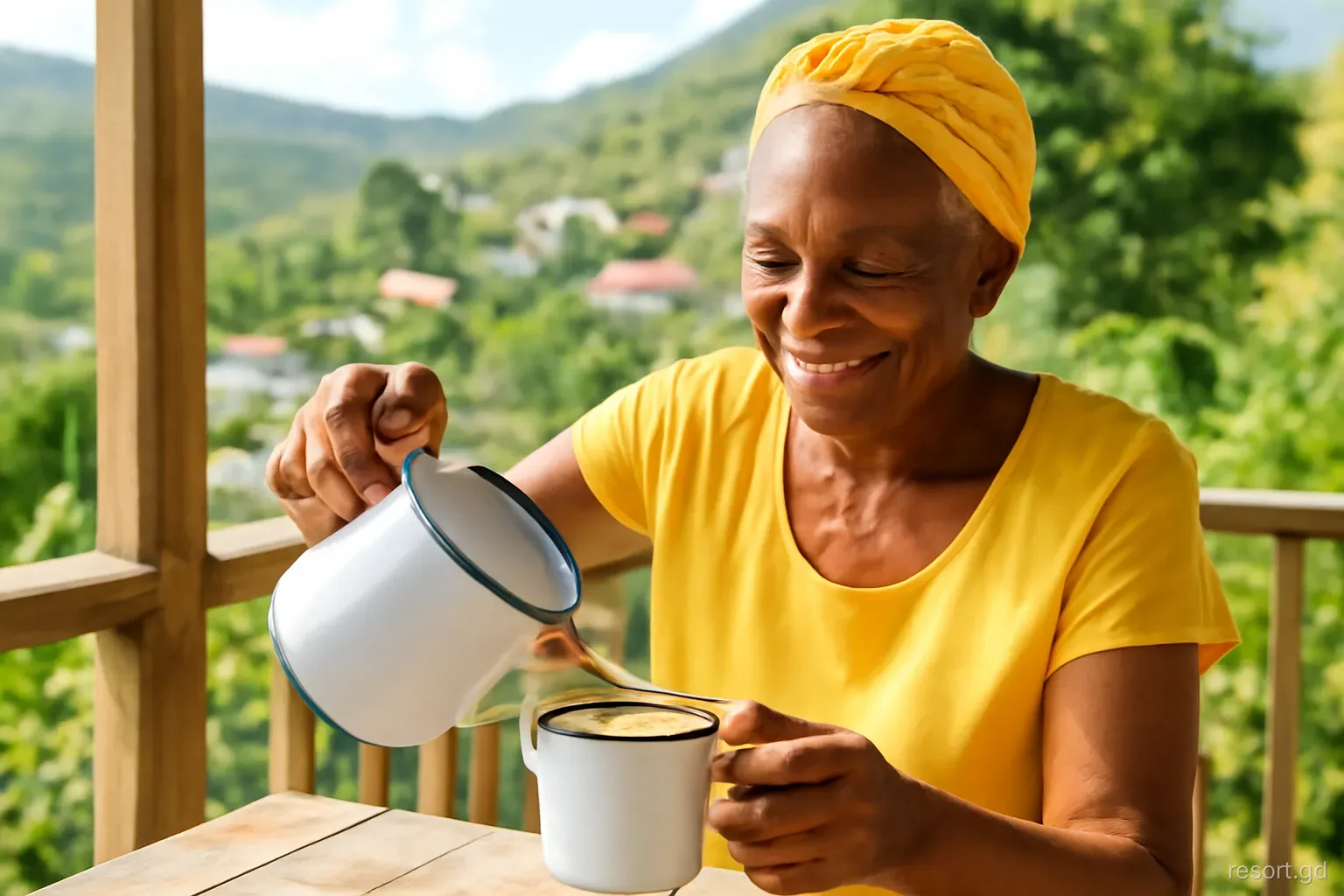
Grenadian cooking can be rich, with coconut milk, salted meat and dumplings in dishes such as oil down, but it also offers lighter options: grilled fish with salad and provisions, callaloo soup, fresh fruit for breakfast, and cocoa tea made from local cocoa. Vegetarian and vegan options are increasingly common in the south-west.
If staying in a villa or apartment with a kitchen, a weekly market visit and simple home cooking keep both health and budget in check. Fresh coconut water from roadside vendors is a natural way to stay hydrated in the heat.
Moving every day
Sea swimming. The calm Caribbean-side beaches in the south-west are ideal for daily swimming. Early morning swims before the beach gets busy are a long-standing local habit.
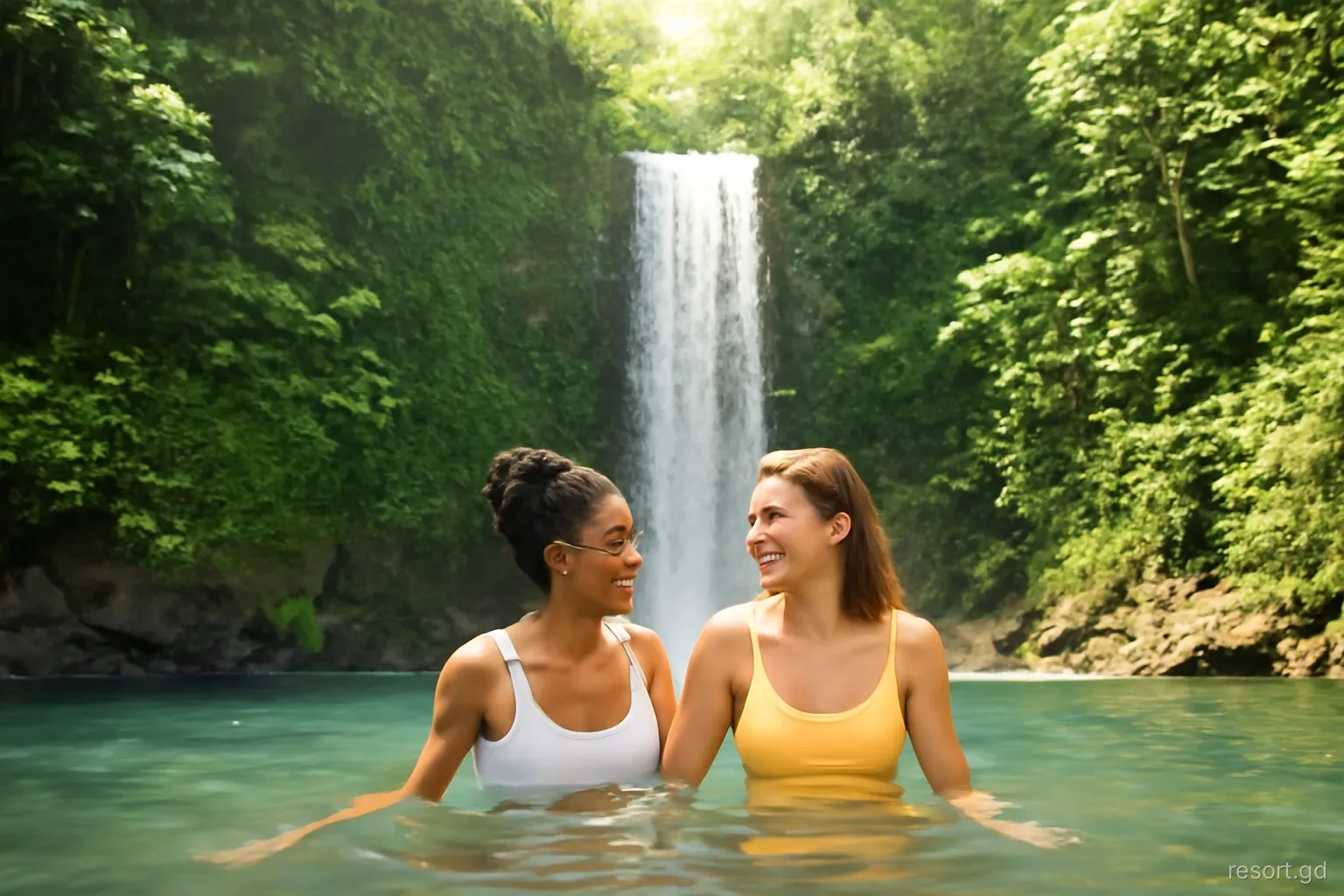
Hiking. Grand Etang Forest Reserve has trails from short loops around the crater lake to longer routes. Waterfall walks to Seven Sisters, Concord or Annandale combine exercise with a cool swim. Use a guide on longer or less-marked trails.
Snorkelling and paddling. Kayaking and paddleboarding in calm bays, and snorkelling at sites such as Moliniere Bay, add gentle exercise and time on the water.
Walking. The length of Grand Anse beach is a good morning or evening walk. St George's, with its hills and steps, offers a workout of its own.
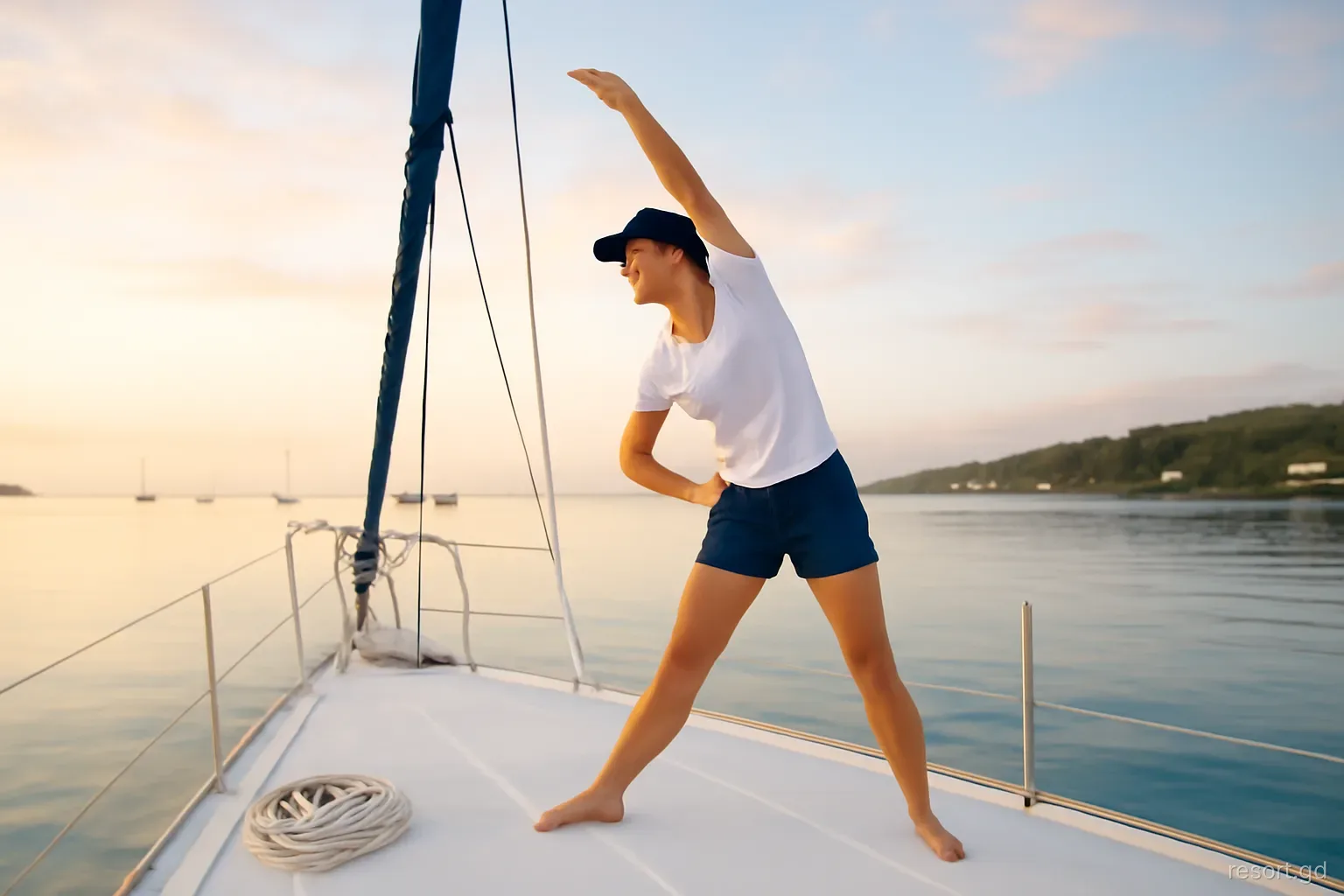
Yoga and stretching. Classes at hotels and studios, or your own practice on a terrace, balance the more vigorous days.
Cycling. Experienced cyclists ride the island's hilly roads, but traffic, narrow lanes and heat make it best suited to those used to such conditions.
Resting properly
Rest is the part people tend to skip, because there is always another beach or excursion. Build it in deliberately: an afternoon with nothing planned, an early night, a morning reading on the terrace. In the tropical heat, a siesta after lunch is not laziness but common sense.
Sleep improves with a few simple choices. Choose a room away from bars and roads, ask about air conditioning or good ceiling fans, and close curtains against the early sunrise if you need a longer night. Limiting alcohol, even the excellent local rum, helps both sleep and hydration.
Shade and cool water count as rest too. An hour under a sea grape tree on a quiet beach, a dip in a river pool after a walk or simply a cold shower in the hottest part of the afternoon resets the body more than another excursion would.
Consider a partial digital break. Mobile coverage and Wi-Fi are widely available in Grenada, which makes it easy to keep working. Setting a time each day to check messages and leaving the phone behind on walks and swims makes a noticeable difference by the end of the week.
A sample seven-day rhythm
This is one example of how to balance activity, rest and treatments across a week based in the south-west, with one day inland. It alternates harder and softer days, keeps exertion in the cooler mornings and puts the spa sessions where tired muscles will benefit most. Adjust it to your energy and the weather:
- Day 1: arrive, swim, early dinner, early night. Resist the urge to plan anything ambitious.
- Day 2: morning swim and gentle yoga, market visit, lazy afternoon.
- Day 3: morning hike in Grand Etang or to a waterfall with a guide, afternoon massage to ease the legs.
- Day 4: rest day: beach, reading, a long lunch, no fixed plans.
- Day 5: snorkelling or paddleboarding in the morning, spice or cocoa estate visit in the afternoon.
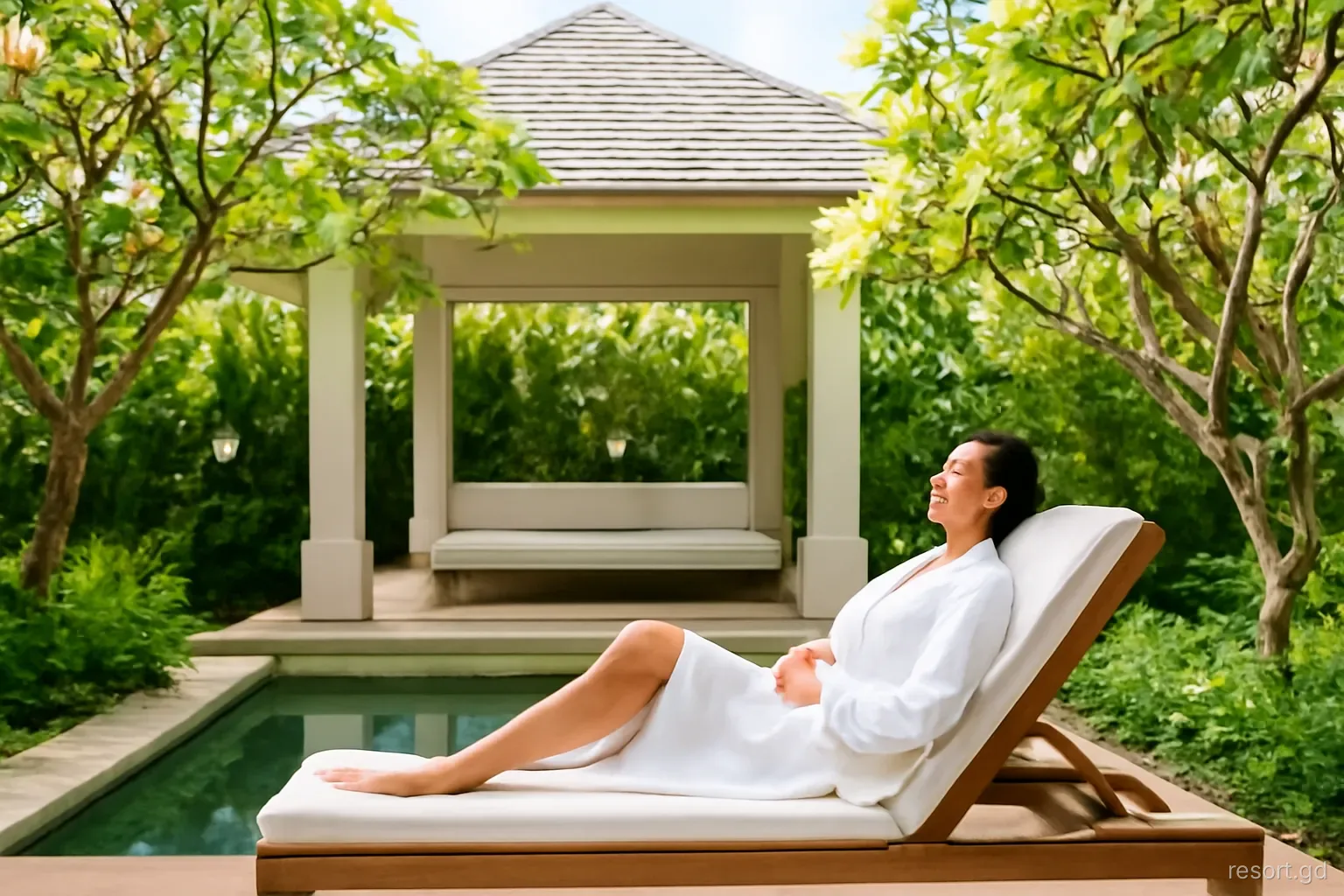
- Day 6: yoga or swim, a full spa treatment, sunset walk on the beach.
- Day 7: a final swim, a slow breakfast and an unhurried departure.
Shaping the rhythm to your energy
The sample week is a template, not a timetable. Pay attention to how you feel after the first couple of days. Many visitors arrive tired from work and travel and discover they need more sleep and fewer plans than expected; others find their energy returns quickly and want more activity in the second half. Swap days freely, and move the hike or the boat trip to whichever morning looks clearest.
Weather is the other variable. In the dry season most days follow the same pattern, but in the wetter months it pays to keep the outdoor highlights flexible and hold the spa treatment or the estate visit for a rainy afternoon. Early mornings are almost always the best time for exertion, and the hour before sunset is the best time for a walk or a gentle swim.
Pitfalls of a do-it-yourself wellness stay
Without a retreat schedule, it is easy to drift. Watch for these common traps:
- Overfilling the days with excursions, leaving no time for actual rest.
- Underestimating the heat and sun, especially on hikes and early beach days.
- Staying somewhere noisy, with bars, traffic or a busy pool under the window.
- Relying on resort buffets rather than exploring fresh local produce.
- Hiking unfamiliar trails alone. Use a guide for longer routes and tell someone your plans.
- Keeping the phone on constantly, so that work follows you to the beach.
- Forgetting that Sunday is quiet in Grenada. Many shops and some restaurants close, so plan meals and supplies the day before.
- Assuming every eco-lodge or guesthouse is open year-round. Smaller properties sometimes close in the quietest months, so confirm before booking.
Frequently asked questions
Can you plan a wellness holiday in Grenada without a retreat?
Yes. Combine a quiet base, local fresh food, daily swimming or hiking, a few spa treatments and deliberate rest. The island's compact size makes it easy to mix sea, forest and spa time in a single week without long journeys.
Where should you stay for a quiet wellness break in Grenada?
Boutique hotels and villas around Morne Rouge, Lance aux Epines and the south-coast bays offer calm with restaurants nearby. Hillside and interior eco-lodges give more nature and quiet but longer drives. Adults-only resorts suit those wanting facilities without children.
Is it easy to eat healthily in Grenada?
Yes. Markets and roadside stalls sell abundant fresh fruit, vegetables and fish. Grilled fish, salads, callaloo soup and fresh fruit are widely available, and vegetarian options are increasingly common in the south-west.
Do you need a guide for hiking in Grenada?
Short, well-used trails around Grand Etang can be walked independently, but longer or less-marked routes, such as some waterfall hikes, are safer with a local guide. Trails become slippery after rain, and mobile signal is patchy in the interior.
What should you pack for a wellness stay in Grenada?
Light, breathable clothing, swimwear, sturdy shoes for trails, a reusable water bottle, reef-safe sunscreen, insect repellent, a hat and, if you practise, a travel yoga mat or grippy towel.