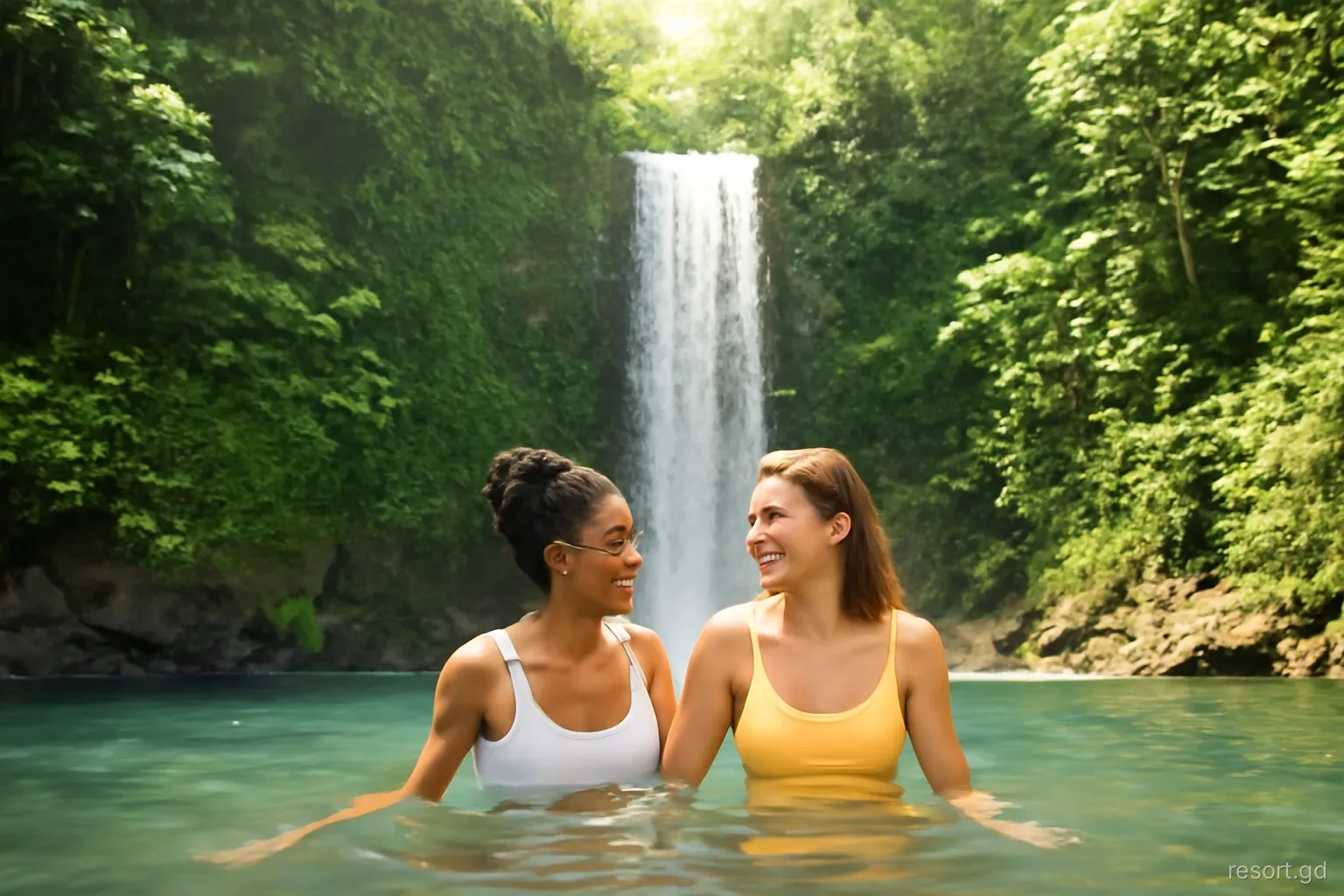
Long before resort spas arrived, Grenadians had their own wellness routine, and much of it was free: an early morning swim in the sea, a dip in a cold river pool after a walk, an afternoon in the cool air of the mountains. These habits still shape daily life on the island, and they are open to visitors who know where to go and how to do them safely.
Grenada is a volcanic island with a mountainous, rainforest-covered interior. That geography gives it dozens of rivers and waterfalls, forest trails within an hour of the beaches, and seas that stay warm all year. For anyone interested in wellness, the island's natural landscape is as much a resource as any treatment room.
This guide covers the sea bath tradition, the best-known waterfalls and forest walks, a note on the island's volcanic springs, and the safety points that matter in tropical water and terrain.
The morning sea bath
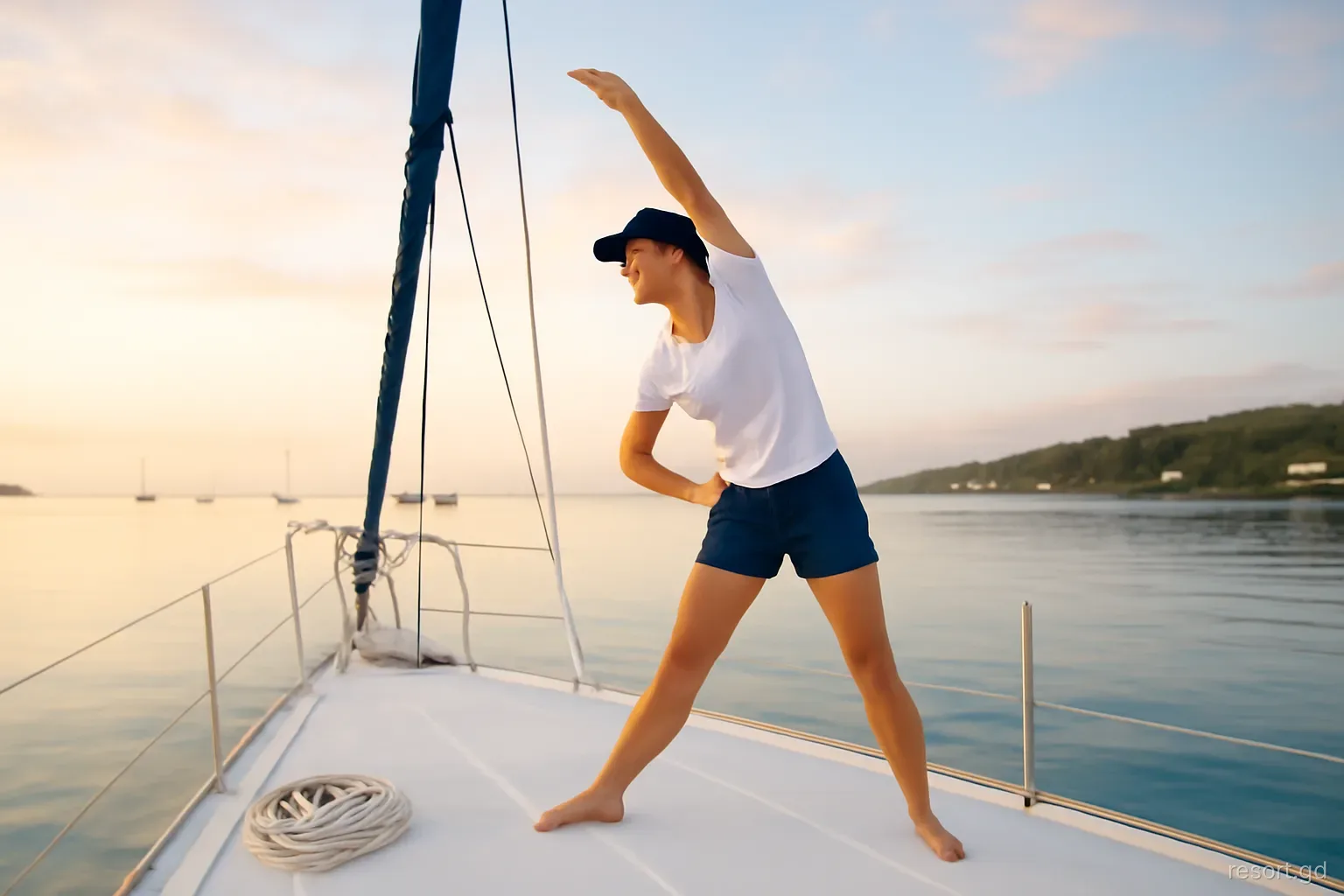
In Grenada, as in much of the Caribbean, an early morning sea bath is a long-standing habit, particularly among older residents. People arrive at the beach around sunrise, wade in, swim a little or simply stand and float in the calm water, then head home or to work. On Grand Anse, Morne Rouge and many village beaches, you will see this ritual on any weekday morning.
The tradition holds that salt water is good for aches, skin complaints and general health. Whatever the science, the experience is undeniably restorative: the water is calm and warm, the light is soft, and the beach is quiet before the day heats up.
Visitors are welcome to join in. Go early, ideally between sunrise and mid-morning, when the sun is gentle and the beach is calm. Greet the regulars with a good morning, as is customary, and keep to the calm Caribbean-side beaches. The Atlantic coast is rougher and less suited to an easy swim.
Waterfalls worth visiting
Annandale Falls. In St George parish, a short drive from the capital and the most accessible of the island's waterfalls, with a paved path and a pool at the base. It is often busy with tour groups, especially on cruise-ship days, so go early or late.
Concord Falls. In St John, inland from the west coast. The lower fall is reached by road; upper falls, including Fountainbleu, require a longer hike, best done with a guide.
Seven Sisters Falls. A series of cascades in the rainforest near Grand Etang, reached by a muddy hike of moderate difficulty. A guide is advisable, and the trail is slippery after rain.
Royal Mount Carmel Falls. In St Andrew, among the tallest falls on the island, reached by a short but steep and slippery trail. Local guides often wait near the trailhead.
Other falls. Grenada has many more waterfalls, some on private land or reached only by difficult trails. Ask locally and hire a guide for anything less established.
Forest walks in Grand Etang
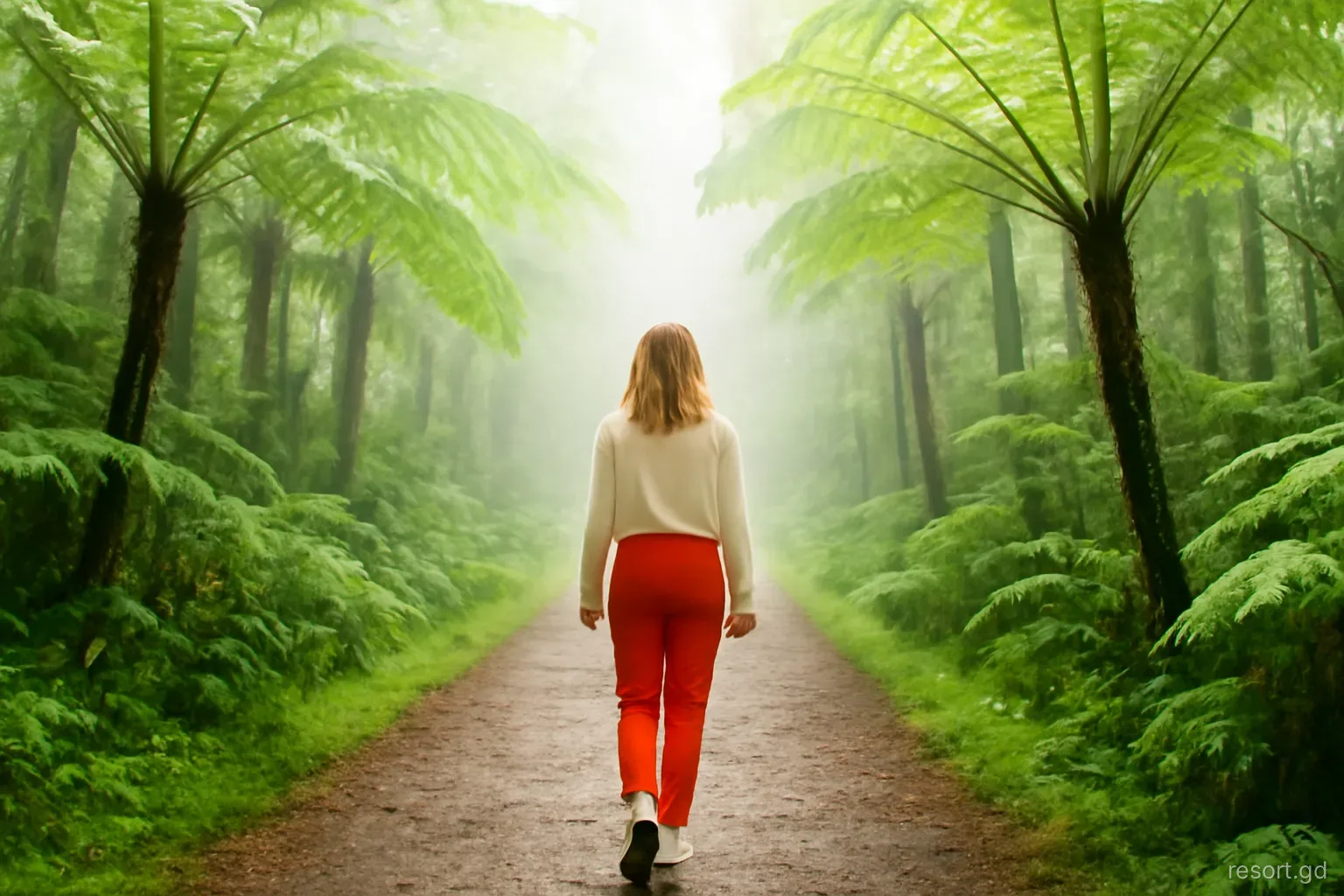
Grand Etang Forest Reserve, in the mountainous centre of the island, protects rainforest around a crater lake at an altitude where the air is noticeably cooler than on the coast. A visitor centre, short trails and longer hikes make it the easiest place to experience the interior. Mona monkeys are sometimes seen near the road and trails, and the forest is rich in birds, tree ferns and flowering plants.
The short trails around the lake suit most visitors and offer a gentle walk in shade and fresh air. Longer hikes, such as to Mount Qua Qua or across to waterfalls, are more demanding, often muddy, and best done with a guide. Mist and rain arrive quickly at this altitude, so carry a light waterproof layer.
For many visitors, a slow walk in the forest is the most restorative part of the day. The Japanese idea of forest bathing, spending quiet, unhurried time among trees, fits Grand Etang well. Leave the phone in a pocket, walk slowly and listen.
Volcanic springs and the island's geology
Grenada is volcanic in origin, and the submarine volcano Kick 'em Jenny, north of the main island, remains active, with an exclusion zone for boats that is tightened when activity rises. On land, the island's volcanic past shows in its crater lakes, such as Grand Etang and Lake Antoine, and in a few warm or sulphurous springs.
Small sulphur springs exist on the island, including one often mentioned at Clabony in St Andrew, but they are modest, informal sites rather than developed hot-spring resorts. Access, condition and whether they are suitable for bathing can change, so ask local guides before setting out, and do not expect the facilities of a spa town.
If geothermal bathing is a priority, it is better to treat any spring visit as a curiosity on a wider island tour than as the centrepiece of a wellness trip.
Visiting waterfalls well: timing, guides and fees
The experience at the popular falls depends heavily on timing. Annandale and the lower fall at Concord can be crowded when tour groups arrive, particularly on days when cruise ships are in St George's, and quiet an hour or two later. Early morning on a weekday is usually the calmest time, and the light in the forest is softer.
At several sites, informal guides and local performers offer to lead the way or put on a show, such as jumping into the pool from the rocks, in exchange for a tip. Agree any guiding fee before setting off, and remember that a jump performed by a local who knows the pool is not an invitation to copy. For hikes to Seven Sisters or the upper falls at Concord, an experienced guide also knows the state of the trail after recent rain. Bring small notes in Eastern Caribbean dollars, a towel, water and shoes you do not mind getting muddy.
Safety in rivers, waterfalls and the sea
Natural water is restorative but carries real risks. A few precautions make the difference between a good day and an accident:
- Never enter rivers or waterfall pools during or soon after heavy rain. Flash floods can arrive suddenly, even if it is not raining where you are.
- Rocks around waterfalls are slippery. Wear shoes with good grip and avoid climbing or jumping unless a guide confirms the pool depth and safe spots.
- Use a licensed local guide for longer or less-established trails. Tell someone your plans and expected return time.
- In the sea, swim within your ability and stay on calm Caribbean-side beaches. Be careful of currents near headlands and on the Atlantic coast.
- Protect against the sun even in the forest, where clearings can be exposed. Carry water, as trails can be hot and humid.
- Use insect repellent in the forest, especially around dawn and dusk, as mosquitoes are present.
- In an emergency, call 911.
Building nature into a stay
The most restorative stays usually combine sea, forest and rest in a simple rhythm. A morning sea bath, a waterfall or forest walk two or three times in a week, and afternoons for rest and the occasional spa treatment make a balanced pattern without needing a formal retreat.
Where you stay shapes how easily you can do this. A base in the south-west keeps the calm beaches on your doorstep and the interior within an hour by road. A few nights at a hillside or interior lodge put the forest closer and make early walks easier, at the cost of longer drives to the coast.
Most waterfalls and the forest reserve charge a small entrance fee, and guides charge for their time, but the overall cost is modest compared with spa treatments. Bring cash in Eastern Caribbean dollars for fees and guides.
Frequently asked questions
What is a sea bath in Grenada?
A sea bath is an early morning swim or soak in the sea, a long-standing habit among Grenadians who believe salt water is good for aches and general health. Visitors can join in at calm south-west beaches such as Grand Anse or Morne Rouge, ideally around sunrise.
Which waterfall in Grenada is easiest to visit?
Annandale Falls in St George parish is the most accessible, with a short paved path and a pool at the base. It can be busy with tour groups, so visiting early in the morning or late in the afternoon is usually more peaceful.
Are there hot springs in Grenada?
Grenada has a few small sulphur springs, such as the one often mentioned at Clabony in St Andrew, but these are informal sites rather than developed hot-spring resorts. Ask a local guide about access and condition before visiting.
Is it safe to swim in Grenada's waterfalls?
Generally yes in calm conditions, but never during or after heavy rain, when flash floods can occur. Rocks are slippery, so wear shoes with grip and check depths before jumping. A guide is recommended for less-visited falls.
Do you need a guide for Grand Etang hikes?
Short trails around the lake can be walked independently. Longer hikes, such as to Mount Qua Qua or Seven Sisters Falls, are muddy and less marked, so a local guide is advisable. Weather in the interior changes quickly.