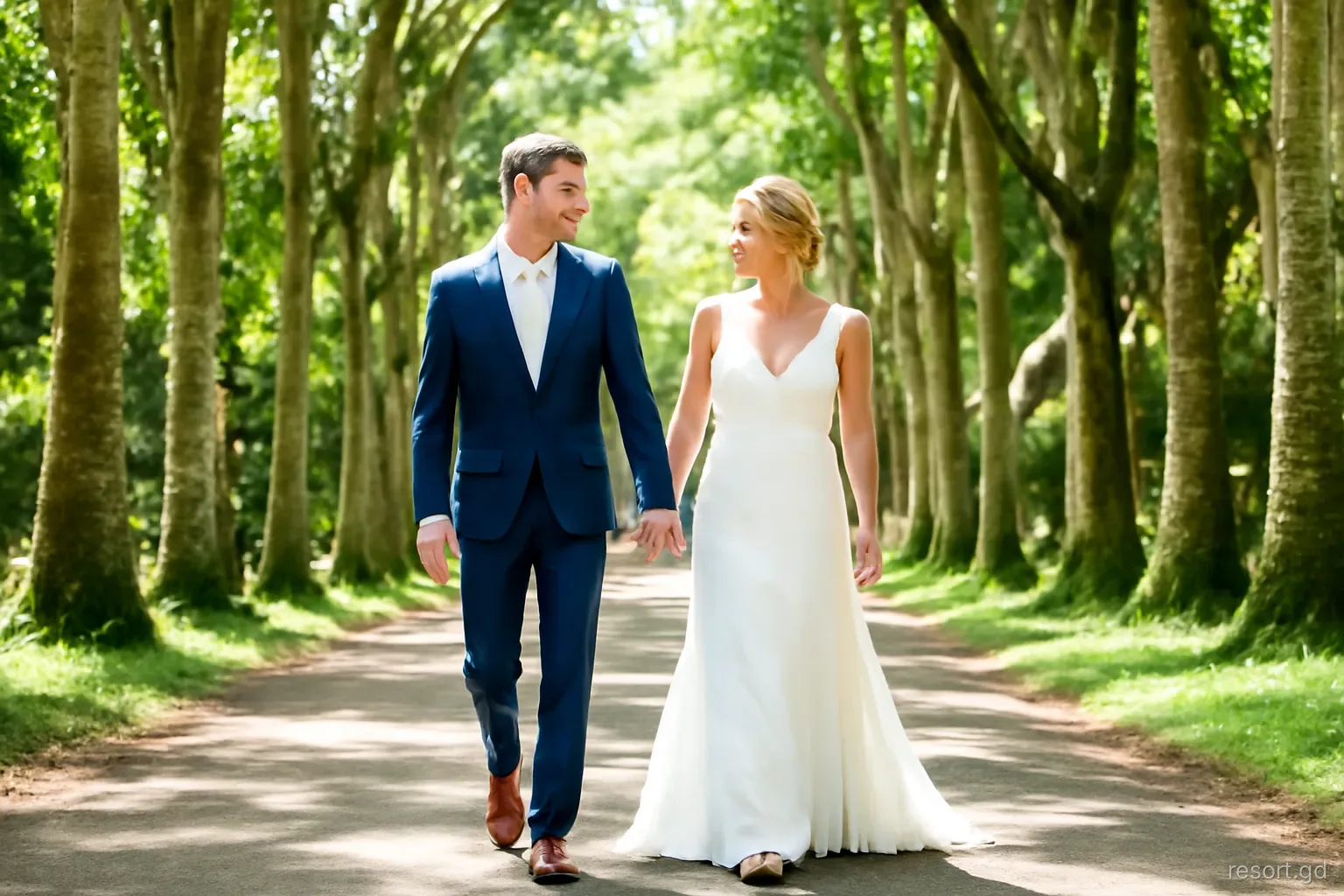
The venue decides almost everything else about a Grenadian wedding: the time of day, the dress, the shoes, the number of guests, how people get there and what happens if it rains. Most couples start with a picture of a beach at sunset, and that is a fine choice, but it is not the only one, and it is not always the best one for a particular guest list.
Grenada offers five broad kinds of venue: open beaches, resort gardens and terraces, churches, historic estate houses and boats. Each has a different set of practical trade-offs. A beach is free to look at but exposed to wind and the public; a church is cool and solemn but comes with its own rules; an estate is memorable but further from the hotels.
This guide compares them side by side, with the questions to ask before you commit. Whichever you choose, the venue must be the one named on your marriage licence, so settle it before the application goes in.
Beaches: what to know before you picture the sunset
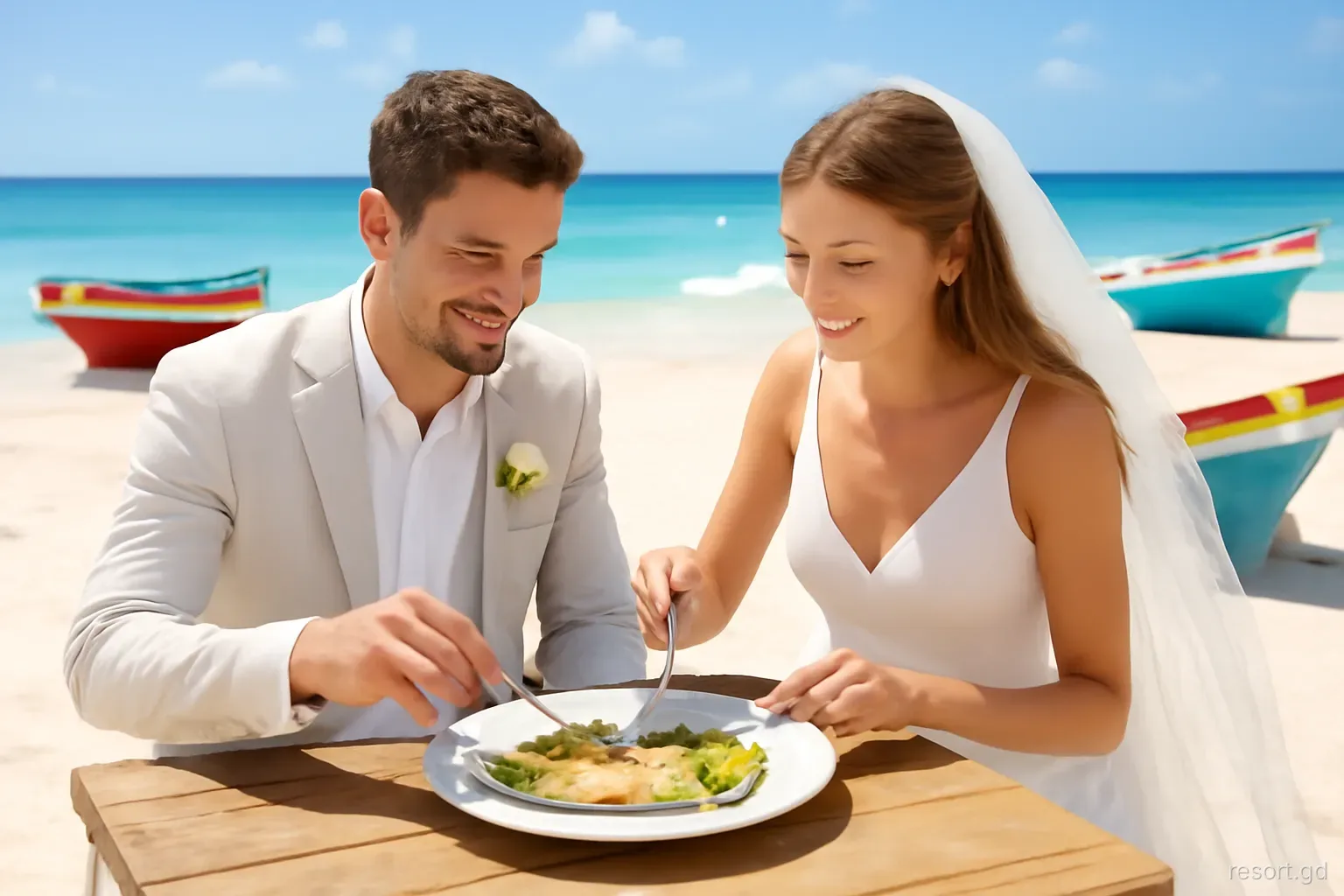
Beaches in Grenada are open to the public, which matters more than many couples expect. A ceremony on Grand Anse, Morne Rouge or a south-coast cove can be lovely, but you cannot close the sand to walkers, swimmers or vendors, and on weekends and holidays local families use the beaches heavily. A resort fronting the beach can position you on its stretch, set up chairs and manage the scene, but it does not own the shoreline.
The practical issues are heat, wind and light. Late afternoon is the most comfortable and the most photogenic, roughly the last hour or so before sunset, but sunset arrives early in Grenada compared with northern summers, and it varies only modestly through the year. Wind off the sea lifts veils, blows candles out and carries vows away from guests, so a small microphone is worth considering for anything beyond a handful of people. Bare feet or flat sandals beat heels, and guests will want shade while they wait.
The calm Caribbean-side beaches in the south-west are the usual choice. The Atlantic east coast is wilder and more dramatic but often rougher, and some windward bays collect sargassum seaweed in certain months, which can arrive with little warning.
Resort gardens, terraces and lawns
For many couples the resort garden is the quiet winner. It sits a few steps from the sea, it is private, the ground is level for older guests and anyone in heels, and it is close to toilets, shade and the bar. Most resorts that host weddings have one or two established spots: a lawn facing the water, a gazebo, a pool terrace or a pier. These locations come with power for music, a tested set-up and staff who know exactly how long the transition to dinner takes.
The downside is that resort spaces can feel generic in photographs if you are not careful, and you may share the property with other guests who wander past. Ask whether the area is screened during the ceremony, whether the pool or restaurant nearby will be busy at that hour, and whether another wedding is booked the same afternoon.
If your guest list is large, a garden or terrace reception that flows straight from the ceremony saves the logistics of moving everyone. A beach ceremony followed by a garden reception on the same property combines the two well.
Churches and religious ceremonies
Atmosphere. St George's has historic churches overlooking the harbour, and parishes across the island have churches that matter deeply to local families. Diaspora couples often choose the church where parents or grandparents worshipped.
Denominational rules. Roman Catholic, Anglican, Methodist and other churches set their own requirements. Many expect marriage preparation, letters from your home parish and confirmation of baptism. Contact the parish early, well before any resort booking.
Civil side. A church wedding is legally valid only if the officiant is an authorised marriage officer and the licence or banns process is completed. Ask the parish which route applies to you.
Practicalities. Churches are cooler than a beach at midday but may have no air conditioning. Dress codes are modest: covered shoulders for some services, no beachwear for guests. Photography rules during the service vary by church.
Reception elsewhere. Most church weddings move to a resort, restaurant or private house for the reception, so budget for guest transport between the two.
Estates, historic houses and boats
Grenada's former plantation estates, particularly those still producing cocoa or opening to visitors in St John and St Patrick, offer an alternative setting with old stone buildings, mature trees and long views. Some host events regularly; others do so only occasionally. Because they are a long drive from the south-west hotels, plan for transport, a meal on site and a timetable that gets guests back before the roads become dark. Check toilets, shade and wet-weather options before falling for the photos.
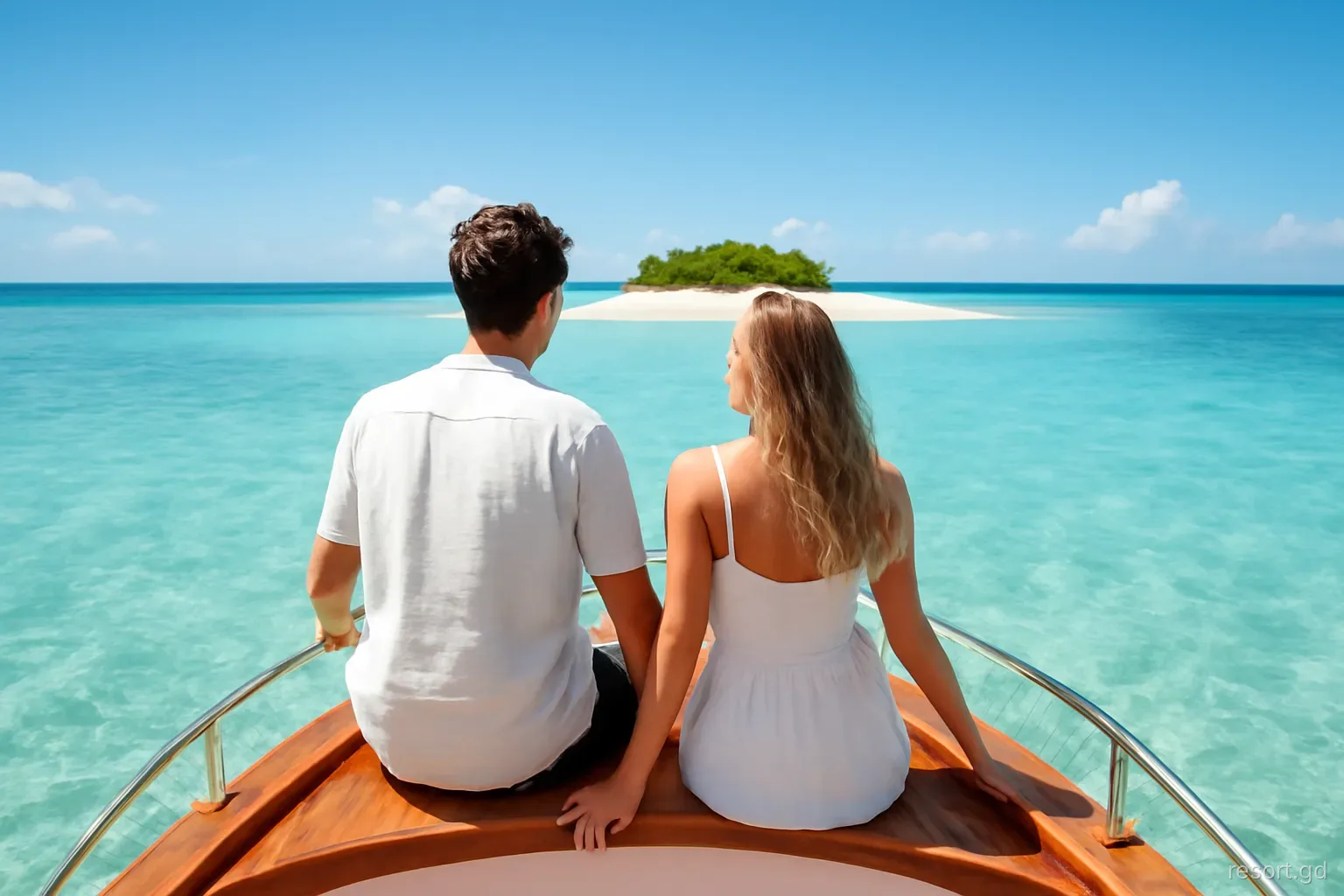
Boat ceremonies on a catamaran or yacht are popular for small groups. The legal question is where the ceremony takes place: the licence names a venue, so many couples hold the legal signing on shore and then sail for the celebration. Ask your planner and marriage officer how they handle this before you book. Boats suit groups that are comfortable on the water; seasickness, limited toilets and the difficulty of moving older relatives on and off a dinghy all count against them.
Pitfalls when choosing a venue
These problems surface again and again in Grenadian weddings and are easy to check in advance:
- No real wet-weather plan. Tropical showers are short but heavy; know where everyone goes and who moves the chairs.
- Guests left in the sun. Ceremonies start late more often than not, so provide shade, water and seating while people wait.
- Ignoring the drive. Venues in the north or east can be an hour or more from Grand Anse on winding roads; elderly guests and night-time returns need planning.
- Insects at dusk. Garden and estate venues can have mosquitoes and sandflies around sunset; supply repellent discreetly.
- Noise around you. Weekend beaches, nearby bars and holiday events such as Carnival in August can be loud. Ask what else is happening on the date.
- Forgetting the licence. The named venue is a legal detail. Changing it late can mean amending paperwork.
Private villas and rented houses as venues
A rented villa with a garden and a view is a growing choice, especially for groups who want to stay together. The appeal is control: your own guest list, your own caterer, music when you want it and no other wedding sharing the lawn. Villas in Lance aux Epines, Westerhall, Morne Rouge and the hills above Grand Anse often have terraces large enough for a ceremony and dinner for a modest group.
Control brings responsibility. Check that the owner permits events, whether there is a limit on guests or noise after a certain hour, and whether neighbours are close. You will need to hire chairs, tables, lighting, toilets if numbers are large, catering staff and someone to clear up. Parking on narrow hillside roads is often limited, so arrange shuttles. Insurance and liability for guests on the property are worth raising with the owner in writing. A planner with villa experience is close to essential for anything beyond a small dinner.
Matching the venue to your guests
Before falling for a setting, picture your oldest and youngest guests there. Sand is hard work for anyone with a walking stick or a pushchair, hillside estates often involve steps and gravel, and boats require a confident step from a jetty or a dinghy. A resort garden or a church with level access may suit a family-heavy list far better than a remote cove.
Think too about the distance between venue, reception and beds. Guests in different hotels, a ceremony in St George's and a reception on the south coast can mean three taxi journeys in one evening, with drivers who need to be booked in advance. The simplest weddings to run in Grenada keep the ceremony, the dinner and most guests within a short walk or a single shuttle ride.
Frequently asked questions
Can you get married on any beach in Grenada?
Beaches are public, so a ceremony can take place on many of them, provided the marriage officer agrees and the venue is named on the licence. You cannot close a public beach, so expect passers-by, and arrange chairs and shade through a resort or planner.
What time of day is best for a beach wedding in Grenada?
Late afternoon, roughly an hour or so before sunset, gives softer light and less heat. Midday is uncomfortable for guests and harsh for photographs. Check the sunset time for your date, because it shifts only modestly across the year.
Is a church wedding in Grenada possible for visitors?
Yes, but each denomination has its own requirements, often including marriage preparation and letters from your home parish. Contact the church directly months ahead and confirm that the officiant can register the marriage legally.
Are boat weddings legal in Grenada?
The marriage licence names a venue, so how a ceremony at sea is handled is a question for your marriage officer and planner. Many couples sign legally on shore and celebrate aboard afterwards. Confirm the approach before booking the boat.
Which coast is better for a wedding, Caribbean or Atlantic?
The south-west Caribbean coast is calmer and closer to most hotels, which is why most ceremonies happen there. The Atlantic side is wilder and more scenic but often windier, rougher and sometimes affected by sargassum seaweed.