Drinks are often the biggest single reason travellers choose an all-inclusive stay in Grenada. Cocktails, beer and wine bought at resort bar prices add up quickly over a week, and having them included removes a daily calculation. But what "drinks included" means varies between resorts, and the difference between house pours and premium brands matters more than many guests expect.
Grenada also has a drinks culture of its own, built on rum distilled on the island, locally brewed beer, fresh fruit juices and nutmeg grated over almost everything. Resort bars draw on this heritage to varying degrees, and guests who ask for local drinks often find them both better and more interesting than imported equivalents.
This guide explains how drinks typically work at all-inclusive resorts in Grenada, the local rums and other drinks worth trying, and how to make sure you get what you have paid for.
House pours versus premium brands
Most all-inclusive resorts in Grenada operate a two-tier drinks system. The standard package covers house spirits, which may include local rum, a house vodka, gin and whisky, plus local beer, house wines by the glass, soft drinks and juices. Cocktails made with these spirits are included. Premium spirits, such as well-known international whisky brands, aged rums, cognac and premium vodka, and wines by the bottle or champagne, are often charged separately or included only in higher room categories.
The distinction is usually clear on the bar list, but not always. If you ask for a cocktail "with a good rum" or name a specific brand, the bartender may use a premium spirit that carries a charge. When in doubt, ask whether a brand is included before ordering. Guests in upgraded tiers often have access to a wider range, sometimes in a private lounge or with dedicated bar service. For guests who drink mainly cocktails, house pours are generally perfectly good; for whisky or wine enthusiasts, the upgrade may be worth considering.
Grenadian rums worth asking for
Clarke's Court. Produced by Grenada Distillers at Woburn in the south of the island, Clarke's Court is the most widely available local rum, with white, gold, spiced and aged expressions. Its white rum is a common base for rum punch at resort bars.
Westerhall. Based in St David, Westerhall produces a range of blended and aged rums and is associated with Jack Iron, an overproof rum that has a strong following on Carriacou.
River Antoine. The historic River Antoine estate in St Patrick still uses a water wheel to crush cane, and its Rivers rum is known for very high strength. The standard bottling is too strong for airline hand or hold luggage limits, so a lower-strength version is sold for travellers.
Aged and spiced rums. Ask whether the resort stocks aged Grenadian rums for sipping. They may carry a charge but offer a taste of the island's distilling at its best.
Rum punch and the local cocktail tradition
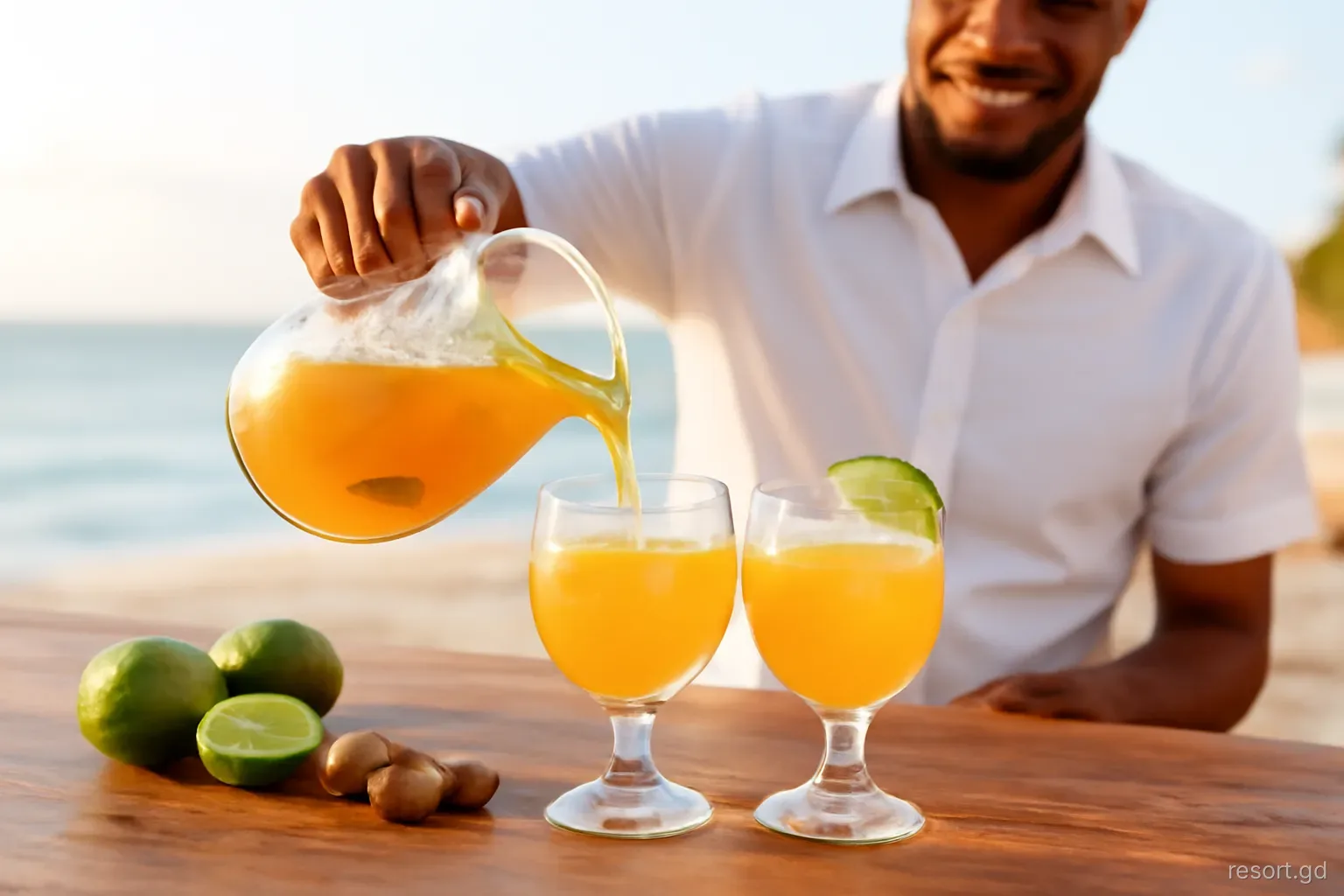
Rum punch is the island's signature drink, and every bar has its own version. The traditional Caribbean rhyme of "one of sour, two of sweet, three of strong, four of weak" gives the basic balance: lime juice, sugar syrup, rum and water or fruit juice. In Grenada, a dusting of freshly grated nutmeg on top is the finishing touch, and some bars add bitters or a splash of grenadine. Resort versions are often sweeter and fruitier than those at local rum shops.
Other drinks worth trying include rum sours, cocktails made with local fruit such as passion fruit, soursop or golden apple, and drinks flavoured with nutmeg syrup. Around Christmas, sorrel, a deep red drink made from the sepals of the sorrel plant with spices and often rum, appears at bars and in homes. Ginger beer, sometimes made fresh, is another local favourite. Asking the bartender for their own speciality or a local cocktail often brings the best result.
Beer, wine and soft drinks
Carib and Stag are the most familiar beers in Grenada and are brewed on the island under licence, alongside a stout and malt drinks. They are standard at all-inclusive bars and are generally included. Imported beers may be stocked too, sometimes at a charge. Wine is mostly imported, which makes it expensive outside all-inclusive packages; house wines are typically included by the glass, while better bottles are charged.
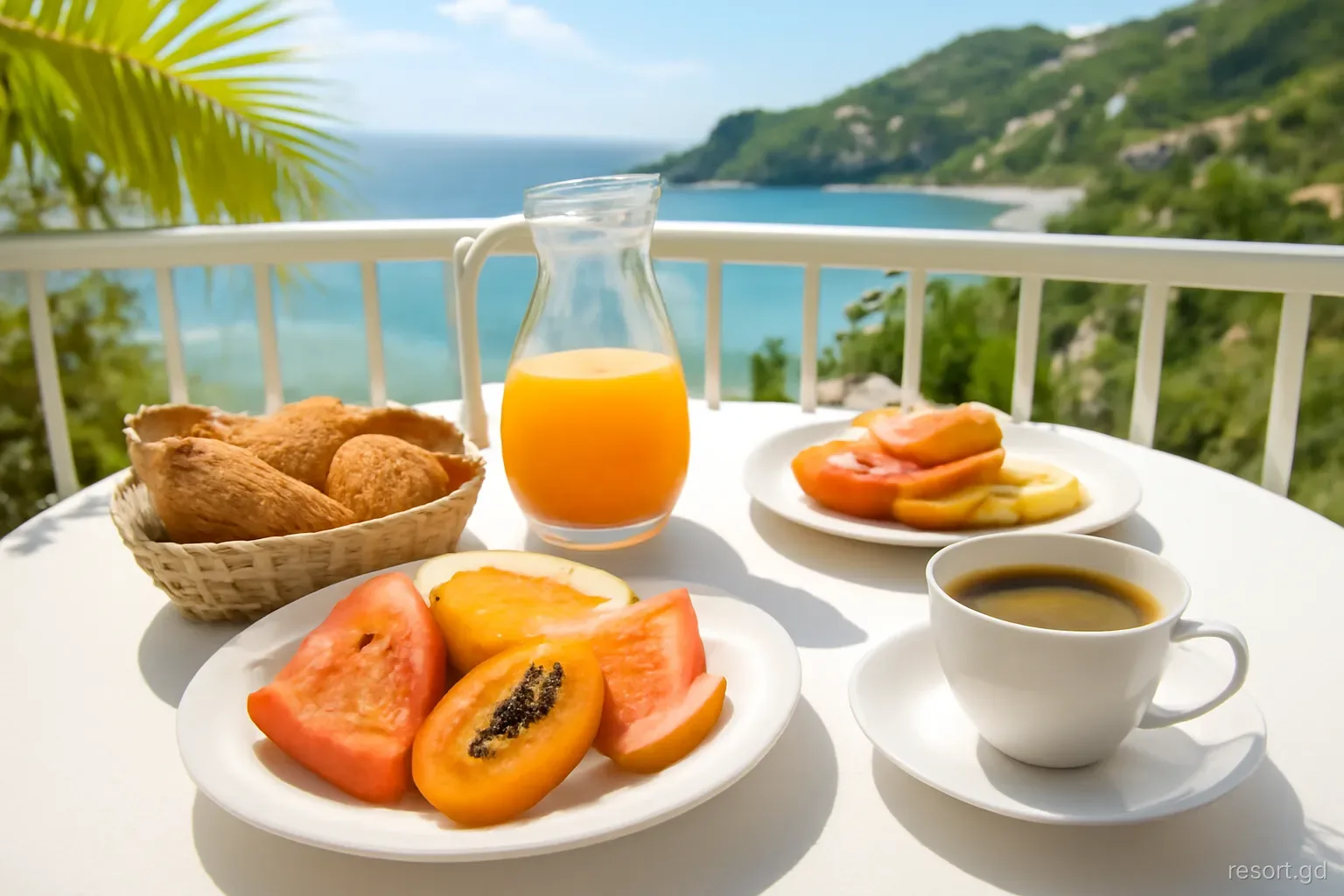
Soft drinks, bottled water and juices are included at all-inclusive resorts. Fresh local juices, such as passion fruit, guava, soursop, golden apple, mango and pineapple, are among the pleasures of Grenada and are worth seeking out over carbonated drinks. Coconut water, straight from the nut, is often available from vendors on the beach and sometimes at resort bars. Coffee and tea are usually included; some resorts serve Grenadian cocoa tea, a spiced drink made with local cocoa, at breakfast, which is well worth trying.
Alcohol-free and low-alcohol options
Not every guest wants to drink alcohol, and all-inclusive resorts in Grenada increasingly cater for those who prefer not to. Mocktails made with fresh local fruit, such as passion fruit, guava, pineapple and soursop, are widely available, and bartenders can usually produce an alcohol-free version of most cocktails on request. Fresh coconut water, iced teas, lemonade and ginger beer offer more choice, and sparkling water is standard.
For guests who drink little or nothing, it is worth weighing whether an all-inclusive package represents value at all, since drinks make up a significant part of the price. Some resorts do not offer a cheaper rate for non-drinkers, while others sell half-board or room-only options alongside their all-inclusive rates. If you are pregnant, travelling with children, or avoiding alcohol for health or religious reasons, the resort can usually advise on alcohol-free options and on any dishes cooked with rum, such as some desserts, sauces and the rum-soaked black cake that appears at Christmas. Telling the restaurant team at the start of the stay saves having to ask at every meal.
Pitfalls and how to avoid them
A few common issues with drinks at all-inclusive resorts, and how to handle them:
- Unexpected charges: naming a specific premium brand can trigger a charge. Ask first, or check the bar list.
- Weak or sweet cocktails: if you prefer a stronger or less sweet drink, say so; bartenders are usually happy to adjust.
- Bar hours: some bars close earlier than expected, and not every outlet serves all drinks. Ask which bar stays open latest.
- Heat and hydration: the sun at 12 degrees north is strong, and alcohol dehydrates. Alternate drinks with water, especially on the beach.
- Overproof rum: local rums such as Rivers and Jack Iron are very strong. Treat them with respect, particularly if sampled neat.
- Taking rum home: airlines limit the alcohol strength and quantity in luggage; very high-strength rums may not be allowed at all.
Taking the drinks experience beyond the resort
For guests interested in rum, a distillery visit adds a great deal to the stay. River Antoine in St Patrick, with its historic water wheel and traditional processes, is one of the most distinctive distilleries in the Caribbean. Clarke's Court at Woburn and Westerhall in St David also receive visitors; check current tour arrangements before going. These visits can be combined with a chocolate estate or a north-coast tour.
Local rum shops, small bars found in every village, are part of everyday Grenadian life and a friendly place to try a rum or a beer with locals. On tours, drivers often stop at one. Fish Friday in Gouyave and village events also offer a chance to try drinks outside resort settings. When buying rum to take home, supermarkets and duty-free shops at the airport stock local brands, often at lower prices than resort shops, and a bottle of aged Grenadian rum makes a good souvenir.
Frequently asked questions
Are drinks included at all-inclusive resorts in Grenada?
Yes, most all-inclusive resorts include house spirits, local beer, house wine by the glass, cocktails, soft drinks and juices. Premium spirits, champagne and wine by the bottle may be extra or included only in higher room categories. Ask if unsure before ordering.
What rum is made in Grenada?
Grenada's main rum producers are Clarke's Court, made by Grenada Distillers at Woburn, Westerhall in St David, and River Antoine in St Patrick, known for its very strong Rivers rum. Jack Iron, an overproof rum associated with Westerhall, is popular on Carriacou.
What beer is brewed in Grenada?
Carib and Stag lagers are brewed on the island under licence, along with stout and malt drinks. They are widely available at resort bars, rum shops and supermarkets, and are usually included in all-inclusive packages.
Can you take River Antoine rum on a plane?
The standard Rivers rum is too strong for airline luggage limits, which generally restrict very high-strength spirits. A lower-strength version is sold for travellers. Check your airline's current rules before packing any alcohol.
What is in a Grenadian rum punch?
A typical rum punch combines lime juice, sugar syrup, rum and water or fruit juice, often following the rhyme "one of sour, two of sweet, three of strong, four of weak". In Grenada, freshly grated nutmeg on top is the classic finishing touch.
Is wine expensive in Grenada?
Yes, compared with local rum and beer. Most wine is imported, which adds to the cost. At all-inclusive resorts, house wine by the glass is usually included, while bottles from the wine list are often charged separately.