Booking a hotel in Grenada often means choosing a meal plan as well as a room, and the choices are labelled in a mixture of words and old industry codes: EP, CP, MAP, FAP, AI. A single hotel can quote four or five different rates for the same room on the same night, and picking the wrong one can mean paying for meals you never eat or being stuck with expensive extras.
The right plan depends on where you stay, how much you plan to explore and how you like to eat. A hotel on Grand Anse surrounded by restaurants needs a different approach from a resort at Point Salines with little nearby, or a hillside inn where the nearest restaurant is a taxi ride away.
This guide explains each plan in plain language, how they work at hotels in Grenada, the trade-offs and the questions to ask before choosing.
The codes decoded
EP, European Plan: room only. No meals are included. You pay for the room and eat wherever you like. Common at apartments, villas and many hotels.
CP, Continental Plan: room and breakfast. Breakfast is included. At some hotels this is a full cooked breakfast; at others it is a lighter continental spread. Ask which.
MAP, Modified American Plan: half-board. Breakfast and dinner are included, usually in the hotel's main restaurant. Drinks are typically extra.
FAP, Full American Plan: full board. Breakfast, lunch and dinner are included, usually without drinks. Less common in Grenada than half-board or all-inclusive.
AI, All-Inclusive. Meals, snacks, a range of drinks and many activities are included. Inclusions vary considerably between resorts and room categories.
Dine-around. A variation offered by some hotels, where a half-board or all-inclusive plan allows meals at partner restaurants, adding variety.
Room only: freedom and local food
A room-only rate gives complete freedom and is often the best choice in areas with plenty of restaurants. On Grand Anse, guests can walk to a range of eating places, from casual beach bars and roti shops to more formal restaurants, and there is a supermarket for snacks and drinks. Apartments and villas usually come with kitchens, which allow self-catering with fresh produce from the market in St George's or roadside stalls.
The drawback is effort and cost uncertainty. Every meal involves a decision and a bill, and in areas without restaurants nearby, each dinner means a taxi. Room-only also exposes you to resort restaurant prices if you eat in the hotel. It suits independent travellers, food lovers, long-stay visitors and anyone planning to explore widely. It suits less well those staying in remote spots or who want to relax without thinking about meals.
Breakfast included: the common middle ground
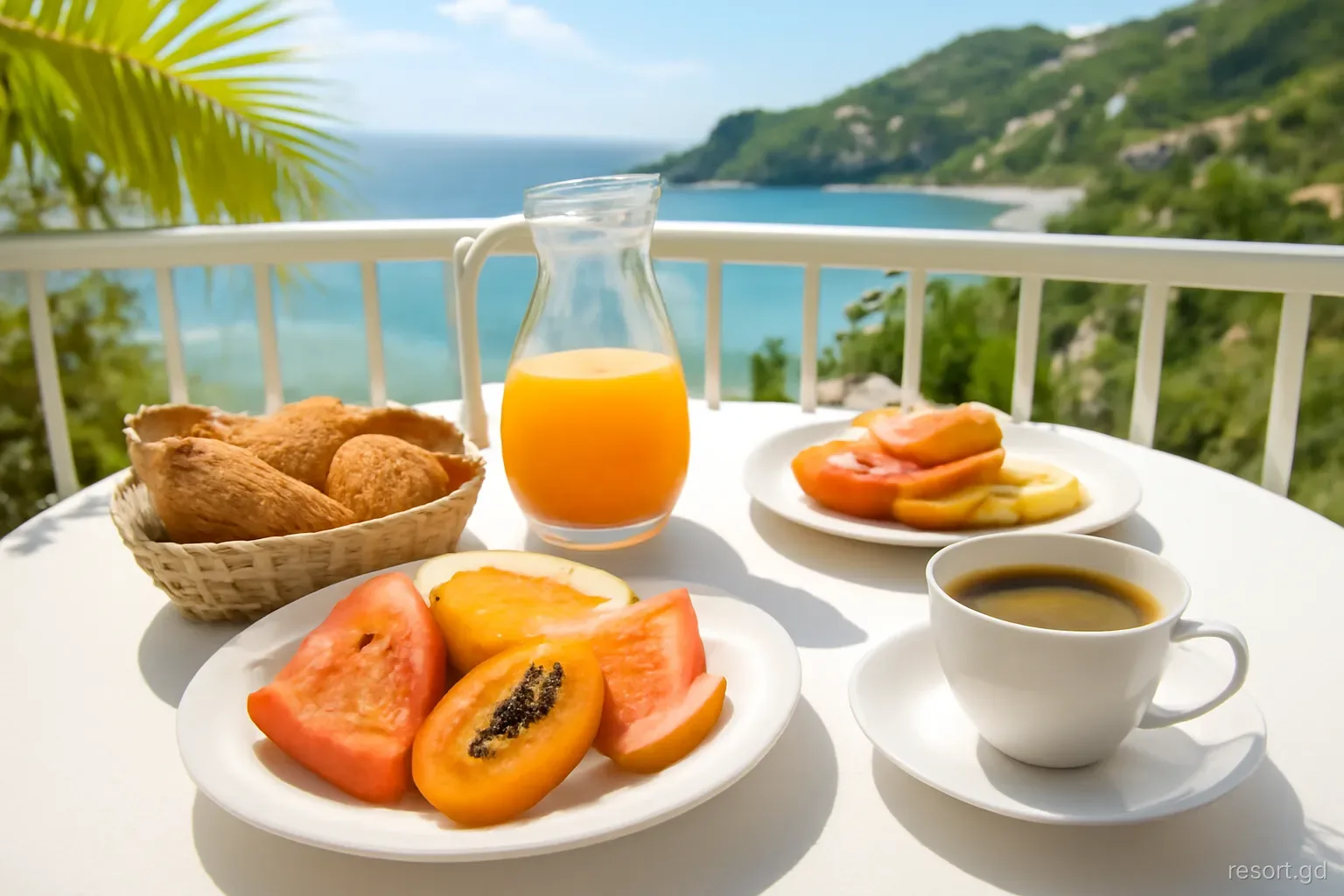
Breakfast-inclusive rates are popular across Grenadian hotels and are often the best-value choice. A good hotel breakfast sets you up for a day of exploring or beach time, and paying for it as part of the rate is usually cheaper than buying it separately. Breakfasts often include tropical fruit such as papaya, pineapple, mango and watermelon in season, fresh juices, eggs and local dishes such as saltfish, bakes or fried plantain.
Ask what breakfast actually consists of. Continental breakfast at a small hotel may be modest, while a buffet or à la carte breakfast at a resort can be substantial enough to skip lunch. Also check whether breakfast is served in the room, on a terrace or in a restaurant, and the hours of service, particularly if you have early excursions or flights. Some small inns and guesthouses prepare breakfast to order, which can be a highlight of the stay, often with homemade jams from local fruit and nutmeg-scented bakes.
Half-board: structure with freedom
Half-board covers breakfast and dinner and leaves lunch free. It works well for travellers who will be out during the day on tours, at the beach or exploring St George's, and who want the convenience of an evening meal without searching for a restaurant each night. It is especially useful at hotels where eating out at night requires a taxi, such as hillside properties or quieter areas of the south coast and St David.
The limitations are drinks and variety. Drinks are rarely included in half-board, so wine, cocktails and even soft drinks with dinner are charged. Dinner is usually in the main restaurant, sometimes from a set menu or limited choice, so over a long stay the menu may start to repeat. Ask whether dinner can be taken at other restaurants within the hotel, whether there is a dine-around arrangement, and whether a packed lunch can replace dinner on days you will be away. Some hotels allow a credit towards à la carte dishes rather than a fixed menu.
Matching the plan to the trip
The same traveller might sensibly choose different plans on different trips, depending on the location of the hotel and the shape of the holiday. These pairings are a reasonable starting point, but the specific hotel and its surroundings matter more than any rule:
- Staying on Grand Anse, exploring often: room only or breakfast included.
- Staying at Point Salines, mostly on site: all-inclusive.
- Hillside or remote hotel, out by day: half-board.
- Villa or apartment: room only, with self-catering and occasional meals out.
- Honeymoon focused on rest: all-inclusive or half-board at a smaller luxury hotel.
- Families with young children: all-inclusive or half-board, to avoid daily restaurant logistics.
- Long stay of several weeks: room only, possibly with a kitchen, plus occasional resort dinners.
- Short break of three or four nights: breakfast included, eating out at a few chosen restaurants.
Location changes the calculation
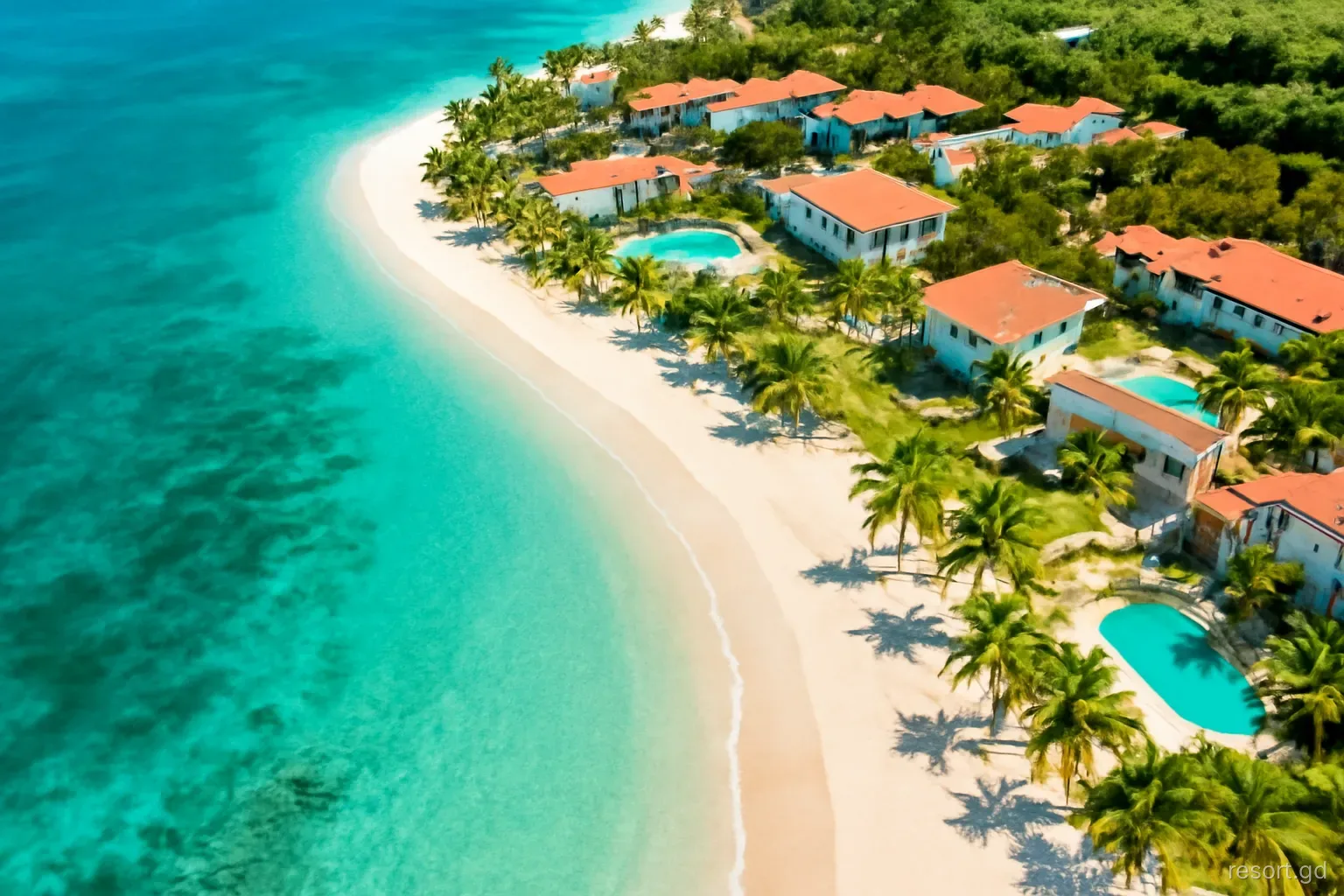
Where a hotel sits in Grenada affects the value of each plan more than almost anything else. On Grand Anse, dozens of places to eat lie within walking distance, from beach shacks and roti shops to well-known restaurants, and a supermarket covers snacks and drinks. Paying for dinner in advance there gives up a lot of easy choice. Around Point Salines, by contrast, the large resorts stand largely on their own, so eating out means a taxi each way and a plan that includes dinner makes far more sense.
The south coast peninsulas sit in between. Lance aux Epines, Prickly Bay and True Blue have a handful of restaurants and marina bars, some reachable on foot in daylight, but roads are dark and narrow at night. Hillside properties and quieter areas in St David or the interior often have only their own restaurant within reach, which is why half-board is common there. Before choosing a plan, look at what lies within a ten-minute walk of the hotel and how you would get back after dinner; the answer often settles the question.
Pitfalls and questions to ask
The most common mistake is assuming a plan covers more than it does. Half-board rarely includes drinks, full board may exclude snacks, and all-inclusive may exclude certain restaurants or premium drinks. The second mistake is paying for meals you will not use: half-board or all-inclusive is poor value if most days are spent on tours. The third is not checking dietary options. Vegetarian, vegan, gluten-free and allergy-sensitive meals are increasingly well catered for at larger resorts, but smaller hotels may need advance notice.
Questions to ask include: which meals and restaurants are included; whether drinks are included, and which; the hours of service for each meal; whether a packed lunch can replace a meal; how dietary needs are handled; and whether the plan can be changed partway through the stay. Some hotels allow you to switch from half-board to room only or vice versa with notice, which gives useful flexibility. Others price plans per stay rather than per night, so a change midway may not bring a refund; it is better to ask before arrival than to assume.
Frequently asked questions
What does MAP mean at Grenada hotels?
MAP, or Modified American Plan, means half-board: breakfast and dinner are included, usually in the hotel's main restaurant, while lunch and most drinks are extra. It suits guests who will be out during the day but want a fixed evening meal.
What is the difference between EP and CP?
EP, the European Plan, is room only with no meals. CP, the Continental Plan, includes breakfast. The style of breakfast varies between hotels, from a light continental spread to a full cooked or buffet breakfast, so ask what is served.
Is half-board a good idea in Grenada?
Half-board works well at hotels where eating out at night requires a taxi, or for guests who spend days exploring. On Grand Anse, with many restaurants nearby, room only or breakfast-included rates may give better variety and value.
Are drinks included in half-board in Grenada?
Usually not. Half-board and full-board plans typically cover food only, with drinks charged separately, sometimes including soft drinks and water. All-inclusive plans include drinks, though premium brands may be extra. Check the details with the hotel.
Can you change your meal plan during a stay?
Many hotels allow changes with notice, for example switching from room only to half-board or adding all-inclusive for part of a stay. Policies vary, and rates may differ from those booked in advance. Ask at check-in or contact the hotel before arrival.
Which meal plan is best for families in Grenada?
Families with young children often find all-inclusive or half-board easiest, as they avoid daily restaurant logistics and snack costs. Families staying in villas or apartments may prefer room only and self-catering, with occasional meals out.