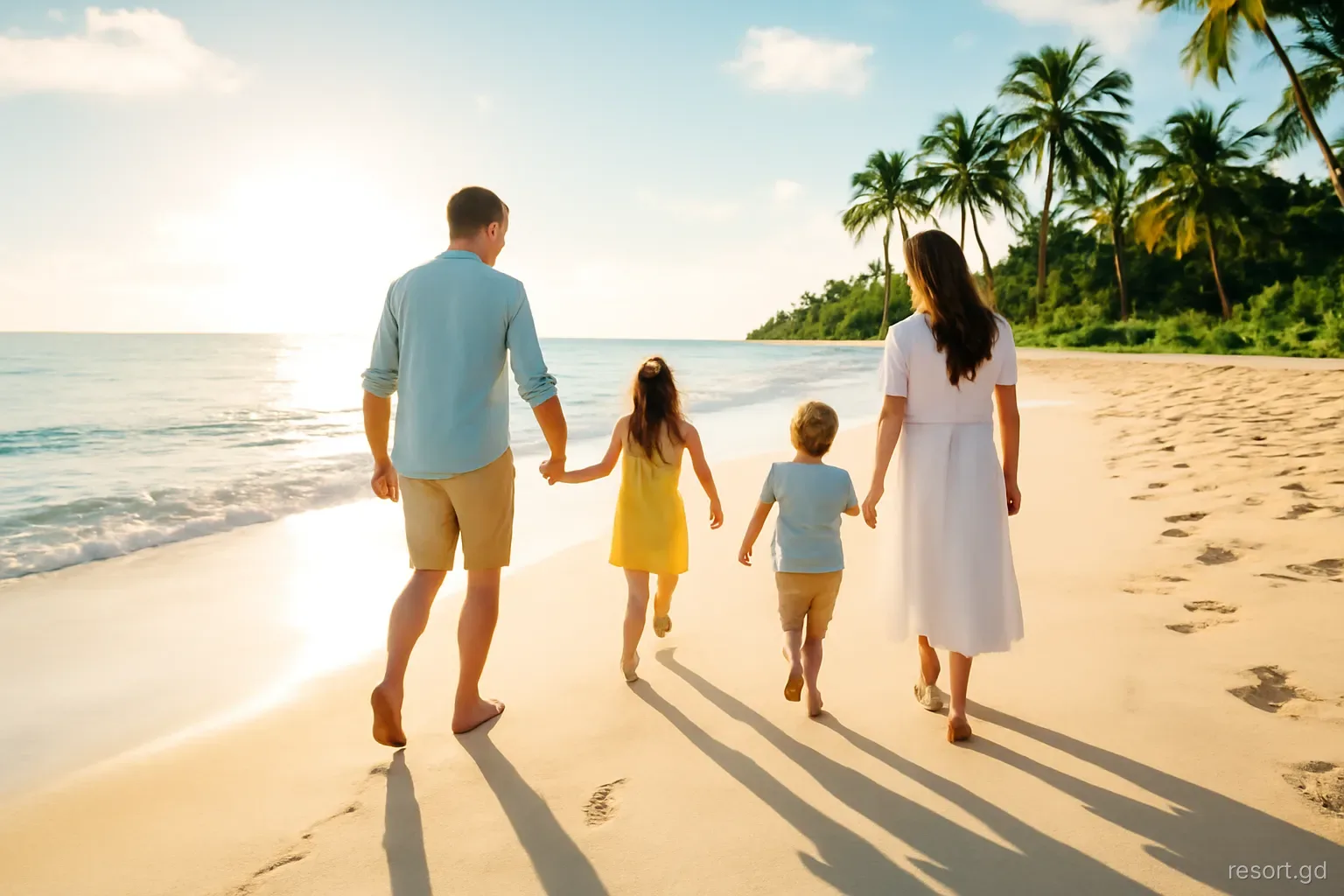
Teenagers are the hardest members of a family to book for. A resort that delights an eight-year-old with a splash pool and a craft club bores a fifteen-year-old within a day, while a quiet boutique hotel designed for couples leaves them with nothing to do and nobody their own age. Get it right, though, and Grenada is a strong destination for older children: warm, calm water, good diving and snorkelling, and enough safe independence to give them a sense of freedom.
This guide is about choosing and booking the stay itself: which kind of property suits teenagers, the room set-up that keeps the peace, how resorts treat teens on price and age rules, and how much freedom is sensible on the island. It does not replace a guide to activities, but it explains which resort features make those activities easy.
What teenagers actually value in a resort
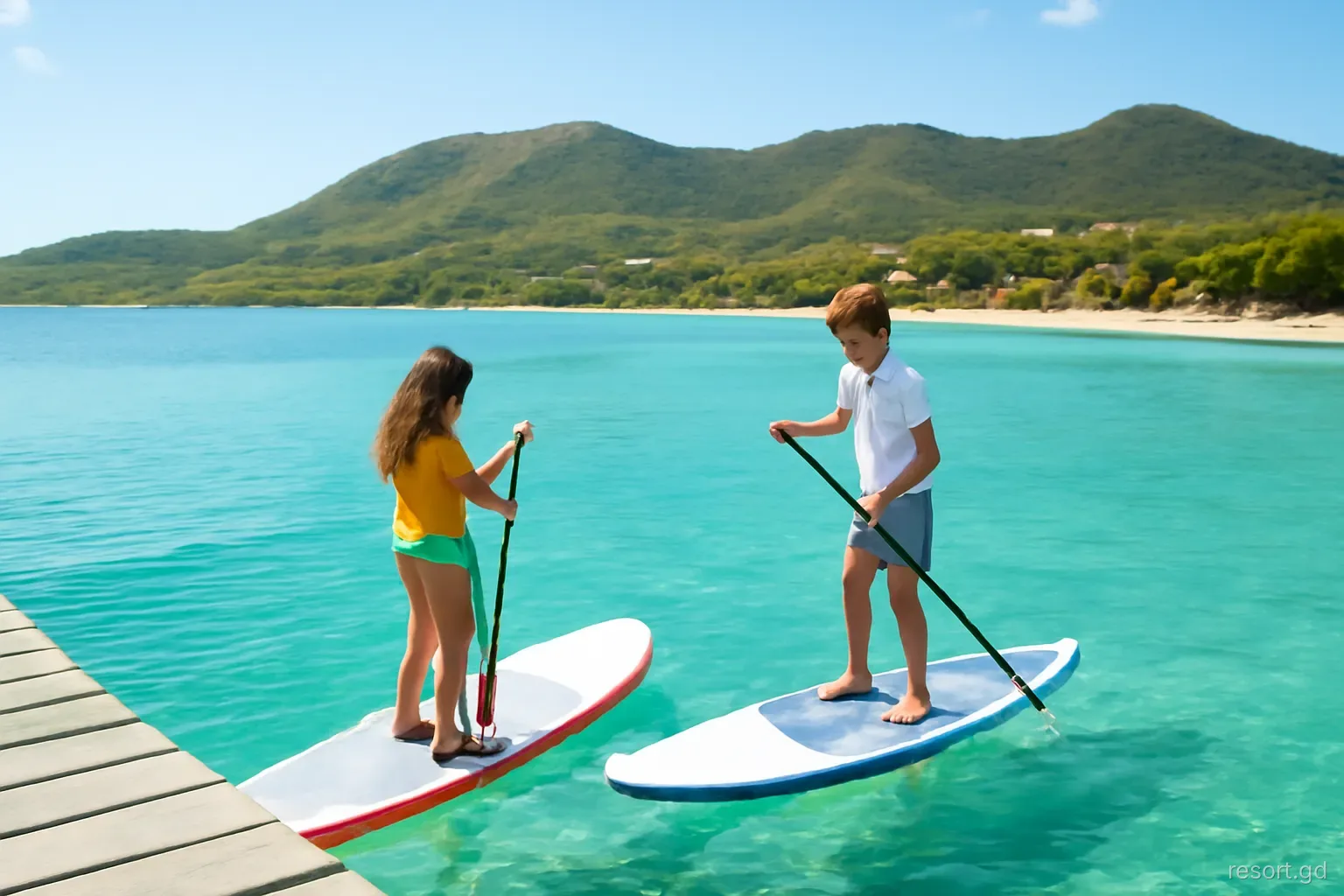
Things to do on the water. Non-motorised water sports such as kayaks, paddleboards and snorkelling gear, often included at all-inclusive resorts and available to hire at others, matter more to most teens than a pool. Grand Anse and Morne Rouge are calm enough for beginners most of the year.
Other young people. Teens enjoy a holiday more when there are others their age around. Larger family resorts during school holidays deliver this; quiet adult-leaning hotels in February do not.
Reliable Wi-Fi. Whatever parents think of it, connection matters to teenagers. Ask whether Wi-Fi reaches the rooms and beach as well as the lobby, and whether it is free. Local SIM cards from the island's mobile networks are another option.
Some independence. Being able to walk to the beach, a café or the water sports hut without parents is a large part of the appeal. A resort with a self-contained beach and grounds allows this in a controlled way.
Food on their terms. Teenagers eat a lot and at odd hours. All-inclusive plans or hotels with a casual grill or snack bar avoid constant negotiations over cost.
Which properties suit teenagers best
Large family-oriented all-inclusives, such as Royalton Grenada at Magazine Beach, are the simplest choice for many families with teens: water sports, several pools, food available through the day and, in school holidays, plenty of other families. Big beach hotels on Grand Anse, where teens can walk along the sand to cafés and water sports operators, also work well. The long beach and the nearby shopping and restaurant area give older children a safe radius to explore.
Smaller boutique hotels and adults-leaning properties are better for families whose teenagers are quieter, older or more interested in reading, diving and day trips than in a social scene. A villa can suit a family with two or three teenagers who want space and privacy, especially if it has a pool and is within walking distance of a beach. Adults-only resorts are not an option; check minimum ages, which at some smaller hotels apply to older teens too, since a few properties set limits at 16 rather than 18.
Rooms: avoiding the four-in-a-room problem
Sharing one room with two adolescents for a week is a common source of holiday friction. Teens stay up later, sleep later and need more bathroom time than younger children. Two connecting rooms, each with its own bathroom, are the most comfortable arrangement; a two-bedroom suite or apartment with two bathrooms works almost as well. Families on a tighter budget sometimes book a suite with a separate living area where teens sleep on a sofa bed, which keeps costs down but gives everyone less privacy.
Remember that teenagers usually count as adults for occupancy, so a room advertised for four may not accept two adults and two teens if it is rated for "two adults and two children". When booking, enter accurate ages for every child. Connecting rooms are often a request rather than a guarantee, so ask the hotel to confirm the allocation in writing and check again before arrival. Two rooms side by side without an internal door are less convenient but still workable for older teens.
Location within the property matters too. Teenagers who stay up late appreciate a room close to the pool and beach, while parents may prefer a quieter spot away from evening entertainment. With connecting rooms, that choice is shared; with a villa or apartment, check how the bedrooms are arranged and whether the teens' room opens straight onto a terrace or garden, which is both a perk and something to think about at night.
Prices, age bands and what is included
Child rates usually stop early. Many hotels charge child rates up to about twelve and full adult rates from that age; some use thirteen, sixteen or eighteen. A family with two teens may therefore pay close to the price of four adults.
All-inclusive value can be higher. Because teenagers eat and drink so much, the all-inclusive premium often works out better for families with teens than with toddlers. Confirm whether soft drinks, snacks and non-motorised water sports are included.
Alcohol rules. Resorts set their own policies on serving alcohol, typically requiring guests to be 18. Parents should not assume staff will check every drink, and should agree their own rules with teenagers.
Motorised sports and diving cost extra. Jet skis, parasailing, fishing trips and scuba diving are rarely included and need booking with an operator. Diving with a certified dive shop is a highlight for many teens; minimum ages for courses are set by training agencies, commonly from ten for junior courses.
Excursions add up. Tours to waterfalls, chocolate estates or the Underwater Sculpture Park at Moliniere Bay are priced per person, so budget for four adult tickets.
How much freedom is sensible
Grenada is generally regarded as a friendly, relatively safe destination, and many parents let older teenagers walk the length of Grand Anse beach, swim in front of the hotel or go to a nearby café on their own during the day. Common sense still applies. Agree a check-in time, make sure phones work locally, and keep teens in the busier areas of the beach. Petty theft from beach bags is the most common problem visitors encounter, so valuables are better left in the room safe.
Night-time is different. Roads in the south often lack pavements and street lighting, and drivers can be fast on narrow bends. Walking along the main road after dark is not advisable for anyone, and teenagers should not be out alone at night clubs or street parties. The Friday night fish fry at Gouyave is a lively, family-friendly evening when attended together. During Spicemas in August, the J'ouvert celebrations involve paint, oil and crowds through the early hours; plenty of families take part, but young teens should go with adults.
Mistakes families make with teenagers
The first mistake is booking the resort that was perfect when the children were seven. Teenagers outgrow kids' clubs and splash parks quickly, and a property chosen for nostalgia can feel babyish. Involve them in the choice: show two or three options and let them weigh in. The second is booking a remote villa or hillside hotel with no beach within walking distance, which leaves teenagers dependent on parents for every outing.
Families also underestimate costs. A week of diving, boat trips and adult-rate meals for two teens can rival the price of the room. Set a budget for activities in advance and decide which ones are worth it. Finally, plan at least one activity together that feels like an adventure rather than a sightseeing chore: a dive, a boat trip to a beach only reachable by sea, or a hike to a waterfall such as the Seven Sisters in the Grand Etang area. That is often what teenagers remember most.
Frequently asked questions
Are Grenada all-inclusive resorts good for teenagers?
Large family all-inclusives often suit teens well, with water sports, several pools and food all day. Teenagers usually pay adult or near-adult rates, which can make the all-inclusive plan good value given how much they eat. Check which activities are included.
At what age do teenagers pay adult rates at Grenada hotels?
Many properties charge adult rates from about twelve or thirteen, though some use other cut-offs. Enter the real ages of each child when getting a quote, as the difference for two teenagers over a week can be significant.
Can teenagers go scuba diving in Grenada?
Yes. Dive shops on the island offer courses and guided dives, with minimum ages set by the training agencies, commonly ten for junior certifications. Book with an established, certified operator and check medical requirements before travelling.
Is it safe for teenagers to walk around Grand Anse alone?
During the day, many parents let older teens walk the beach and nearby shops alone. Agree check-in times, keep valuables in the room safe and avoid isolated areas. After dark, teenagers should not walk along roads or go out unaccompanied.
Do Grenada resorts have activities for teenagers?
Some larger resorts have teen programmes or lounges, especially in school holidays, but many simply offer water sports, games and evening entertainment. Ask the resort what is scheduled during your dates before booking.