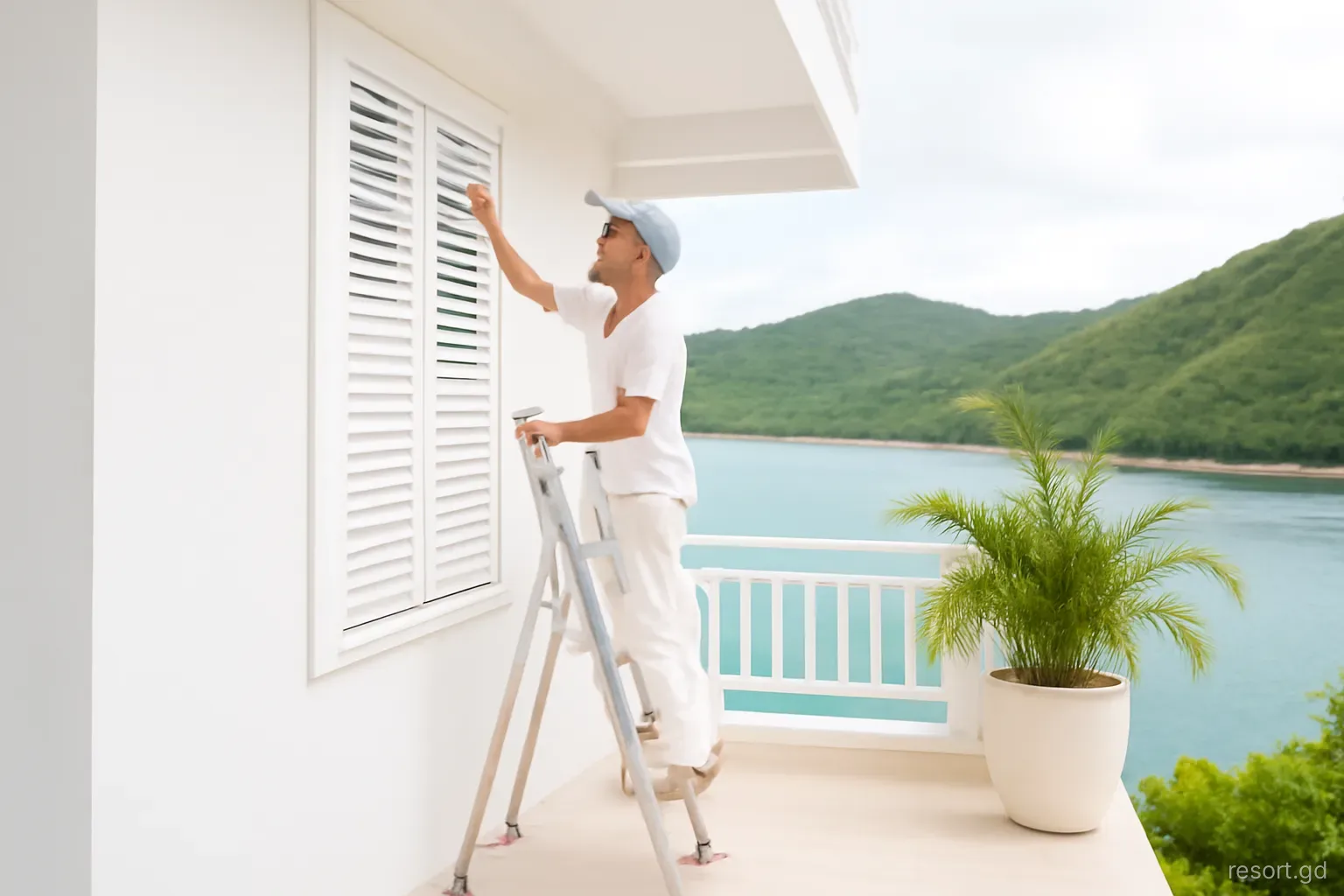
Travellers who book Grenada in late summer are sometimes surprised to find their first-choice small hotel simply not taking reservations for a few weeks. It is not a sign of trouble. Many independent properties close for part of September or October, the quietest stretch of the year, to repaint, repair, service air-conditioning units, give staff their holidays and prepare for the high season that starts in December.
The same calendar that produces closures also produces the best value of the year. Between the end of the winter peak in April and the return of the crowds before Christmas, many small hotels drop their rates, relax minimum stays and add extras to fill rooms. Knowing when properties shut, which months bring the deals and what the weather really does in each period helps you plan a stay that is both cheaper and calmer.
Why so many small hotels close in September and October
Grenada's visitor numbers follow a clear pattern. The winter months bring visitors escaping the northern cold, Easter and the spring holidays add families, and Spicemas in August attracts returning Grenadians and carnival lovers. Then, from late August, arrivals fall sharply. Schools in North America and Europe are back, the hurricane season is at its statistical height, and airlines often trim schedules.
For a hotel with a dozen rooms, staying open for a handful of guests can cost more in electricity, staff and food than it brings in. Closing for a few weeks lets owners repaint salt-battered woodwork, re-seal roofs before the next rainy spell, replace furniture, deep-clean pools and train new staff. Many also take their own holidays then.
Closure dates vary from year to year and property to property. Some shut for two weeks, some for six; a few stay open all year. Larger resorts generally stay open throughout, sometimes closing individual wings or restaurants instead. If you are travelling between late August and early November, check each small hotel's dates before building a plan around it.
Month by month: what the year looks like for small hotels
Mid-December to mid-April. The high season. Rates are at their highest, the Christmas and New Year fortnight carries minimum stays and strict cancellation terms, and the most popular small hotels fill months in advance. The weather is typically at its driest and breeziest.
Late April to June. The early shoulder season and, for many, the sweet spot. Rates fall noticeably after Easter, the weather is often still dry until the rainy season starts around June, and the sea is generally calm. Small hotels are quieter and more willing to negotiate.
July and August. Busier again around Spicemas, Grenada's carnival, which peaks in the second week of August with J'ouvert, Pageant and the parades of the Monday and Tuesday. Rooms near St George's and Grand Anse can be scarce that week; the rest of the summer is quieter.
September to November. The low season. Closures are most common, rain showers are more frequent and the air is at its most humid. Properties that remain open often offer their lowest rates and generous extras.
Early December. A short window of good value before Christmas prices start, as hotels reopen refreshed and the weather begins to settle.
What shoulder-season deals actually look like
Discounts at small hotels are rarely advertised as flashy sales. More often they take the form of a lower nightly rate between May and early December, a 'stay seven, pay six' style offer, a free room upgrade, breakfast or dinner included, or an airport transfer thrown in. Minimum stays that apply in winter are often dropped entirely.
Owners are also more open to negotiation directly by email in these months, especially for longer stays. A request for a weekly or monthly rate from someone flexible on dates is usually welcome in May, June, October and November.
As a rough illustration, a room costing US$300 a night in February might be offered somewhere nearer US$200 to US$240 in June at the same property, though the size of the drop varies widely. Treat any figure as indicative and compare total costs, including VAT and service charge, rather than headline rates.
Weather trade-offs in the cheaper months
Lower prices come with real, if often overstated, weather trade-offs. It helps to know what to expect:
- The rainy season runs roughly from June to December, but rain usually comes as heavy showers and short downpours rather than all-day grey; sunshine between showers is normal.
- Humidity is higher and the trade winds weaker, so air conditioning or good cross-ventilation matters more in room choice.
- Sargassum seaweed arrives on some east- and south-facing shores in certain months and years; the west coast beaches are usually less affected.
- Tropical storms and hurricanes are possible, most often from August to October; Grenada's position near the southern edge of the belt lowers but does not remove the risk.
- The sea on the west coast is often very calm, which suits snorkelling and diving, though heavy rain can reduce visibility near river mouths.
- Mosquitoes increase after rain, so screens, repellent and a fan matter more than in the dry season.
How to plan a low or shoulder-season stay
A little extra planning turns the quieter months into the best-value period of the year:
- List three or four small hotels you like and email each to ask whether they will be open on your dates and whether they offer a seasonal rate.
- Ask what will be operating: some properties stay open but close the restaurant, pool bar or spa for part of the low season.
- Check whether nearby restaurants and beach bars keep normal hours, since some independent businesses also take breaks in September and October.
- Buy travel insurance with hurricane and natural-disaster cover at the time of booking, not later.
- Choose flexible flights where possible, and keep a day of slack at the end of the trip in case of weather delays.
- Pack light rain gear and plan indoor or sheltered activities, such as chocolate and rum tours, for wetter afternoons.
Who should travel in the quiet months
Divers, couples, writers, remote workers and repeat visitors who know the island are often happiest in May, June and November. These months combine lower prices with quieter beaches and more attention from hotel staff, and the risk of a storm disrupting the trip is lower than at the peak of the hurricane season.
September and October suit the most flexible travellers: those who can book late, adjust dates if a storm forms, and do not mind some properties being closed. Families tied to school holidays have less choice but can still find good value in late June, late August and the October half-term in some countries.
Travellers whose priority is guaranteed dry weather, a full set of open restaurants and a lively social scene are better served by the January to April peak, at a higher price and with earlier booking.
One more point in favour of the shoulder months is the chance to see the island's own calendar. Fisherman's Birthday celebrations in Gouyave at the end of June, the Carriacou Regatta around the start of August, Emancipation Day and the build-up to Spicemas all fall outside the winter peak. Small hotel owners are usually happy to point guests towards these events, and quieter properties have more time to help organise transport to them.
Whatever month you choose, confirm opening dates in writing close to departure, because maintenance schedules can shift when contractors or materials are delayed.
Frequently asked questions
Do Grenada hotels close in September?
Many small and independent hotels close for some weeks in September or October for maintenance and staff holidays. Larger resorts generally stay open. Dates change each year, so check directly with any property before booking travel for late August to early November.
When is the cheapest time to stay in a small Grenada hotel?
Rates are usually lowest from September to November, with good value also in May, June and early December. Deals often come as free nights, included meals or upgrades rather than headline discounts. Spicemas week in August and the winter high season carry the highest prices.
Is it worth visiting Grenada in the rainy season?
For many visitors, yes. Rain tends to fall as heavy but short showers, the island is lush and green, and prices are lower. The main risks are tropical storms, more mosquitoes and some closed businesses. Flexible travellers with good insurance often enjoy these months most.
When is Spicemas, and does it affect hotel prices?
Spicemas, Grenada's carnival, builds through July and peaks in the second week of August with J'ouvert and the street parades. Hotels around St George's and Grand Anse fill quickly that week, so book early and expect higher rates and minimum stays at some properties.
Are hotel restaurants open in the low season?
Not always. Some small hotels remain open for rooms but close their restaurant or offer a reduced menu in the quietest weeks, and nearby independent restaurants may also take breaks. Ask the hotel what will be operating and where guests can eat during your dates.