Grenada calls itself the Isle of Spice for good reason. Nutmeg appears on the national flag, cocoa grows on estates in St John and St Patrick, and cinnamon, clove, bay leaf, ginger and turmeric turn up in kitchens and backyard gardens across the island. It was only a matter of time before the island's spas put them on the treatment table.
Most resort and independent spas in Grenada now offer at least one signature treatment built around local spices: a nutmeg-oil massage, a cocoa wrap, a scrub of sugar or sea salt with cinnamon and clove, or a coconut oil ritual. These treatments are pleasant, fragrant and a genuine link to the island's agriculture. They are also, in some cases, more potent on the skin than visitors expect.
This explainer goes through the main ingredients, what each is used for in a spa, how the treatments usually run, and the questions to ask if you have sensitive skin, allergies or are pregnant.
The main ingredients and what they do
Nutmeg and mace. Grenada is one of the world's best-known nutmeg producers. In spas, nutmeg oil is used in massage blends for its warming feel and its long-standing use in local remedies for aches and stiff joints. Mace, the lacy red covering of the seed, appears less often but has a similar warm scent.
Cocoa and cocoa butter. Cocoa from Grenadian estates is used in body wraps and masks, and cocoa butter is a rich moisturiser that suits sun-dried skin. A cocoa wrap smells strongly of chocolate and leaves skin soft.
Clove. Clove oil is intensely aromatic and warming, and is used sparingly in massage blends and foot treatments. It is one of the stronger oils on skin.
Cinnamon and bay leaf. Ground cinnamon adds warmth and scent to scrubs. Bay leaf, distilled into bay oil, has a long history in Caribbean rubs and hair treatments.
Ginger and turmeric. Fresh ginger is used in compresses and foot soaks; turmeric, known locally as saffron, appears in masks and scrubs and can stain towels and pale skin briefly.
Coconut. Coconut oil, sometimes made locally by boiling down grated coconut, is the base of many massage oils and hair treatments, and suits dry skin after sun and sea.
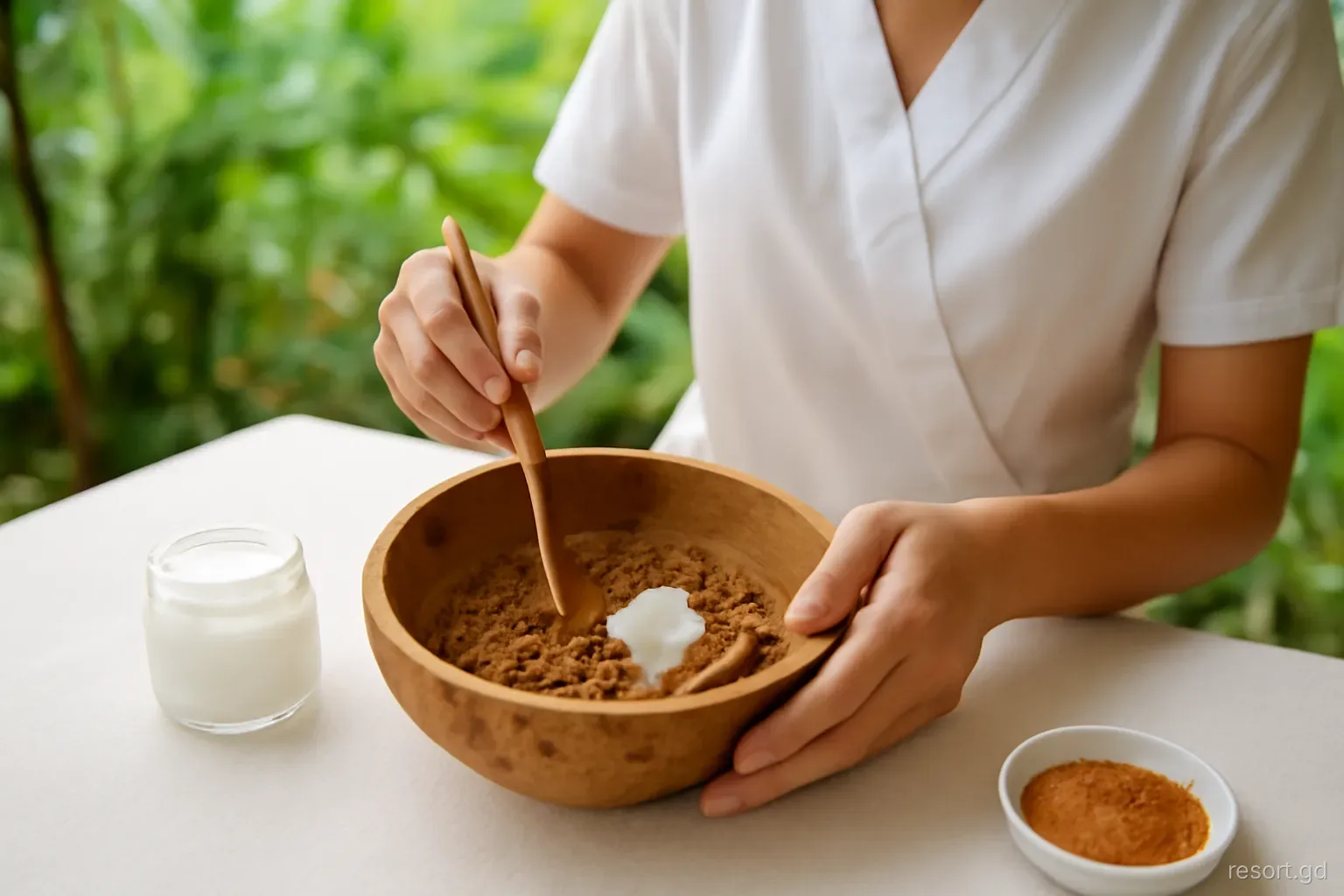
Sea salt and sugar. Used as exfoliating bases for scrubs, often mixed with coconut oil and spices.
How a typical spice treatment runs
A spice massage usually follows the same pattern as any full-body massage, with a blend of carrier oil such as coconut or almond and a small amount of spice essential oil. The therapist warms the oil in the hands and works with moderate pressure. The scent is noticeable but should not be overwhelming. Expect sixty to ninety minutes, and ask for lighter or firmer pressure as you would at home.
A cocoa or spice wrap normally begins with a scrub to exfoliate, then a layer of cocoa, clay or spice paste across the body, after which you are wrapped in a sheet or foil and left to rest for fifteen to twenty minutes. A shower follows, then a moisturising finish, often with cocoa butter or coconut oil. Wraps feel warm and can make some people feel slightly lightheaded in the heat, so drink water before and after.
Scrubs are shorter, perhaps thirty to forty-five minutes, and are often combined with a massage. On sunburnt skin they sting, so schedule them before a day in the sun rather than after.
Where these ingredients come from
The spices used in Grenadian spas usually come from the island's own farms or from local small producers, many of whom also make soaps, balms and oils for sale. Nutmeg is processed at stations run by the Grenada Cooperative Nutmeg Association, including the well-known one at Gouyave in St John, where visitors can see the seeds sorted and dried. Cocoa comes from estates such as Belmont in St Patrick, and there is a tradition of bean-to-bar chocolate making on the island.
Some spas take pride in sourcing locally, others use imported essential oils with a local name attached. If provenance matters to you, ask where the oils and spices come from. Locally made products are also sold at markets, craft shops and estate visitor centres, so you can take the scent home. Check import rules in your own country before packing raw spices or plant materials.
Sensitive skin, allergies and pregnancy: what to check
Spice oils are natural, but natural does not mean mild. Some of the most fragrant oils are among the more irritating on skin. Before booking, consider the following:
- Tell the therapist about any skin conditions such as eczema, rosacea or psoriasis, and any known allergies, including to nuts, since some carrier oils are nut-based.
- Ask for a patch test if you have reactive skin. A small amount on the inner arm, checked after a short wait, can prevent a full-body reaction.
- Clove and cinnamon oils in particular can irritate skin and mucous membranes. A good therapist dilutes them well and keeps them away from the face.
- If pregnant, tell the spa when booking. Many spas avoid certain essential oils, including some spice oils, during pregnancy and offer a dedicated pregnancy massage instead.
- Avoid scrubs and wraps on sunburnt or freshly waxed skin.
- Do not ingest spice oils. Nutmeg in large amounts is toxic when eaten; the small quantities in food are fine.
Reading a Grenadian spa menu
Spa menus often give treatments evocative names that reveal little about what actually happens. A "spice island ritual" might be a scrub and massage, a wrap, or all three. Ask what the treatment includes, how long the hands-on time is (as distinct from time in the room), and which oils or products are used.
Look for treatments that state clearly which local ingredients they use and in what form. A cocoa wrap with Grenadian cocoa, a coconut oil massage, or a nutmeg blend for sore muscles after hiking are honest descriptions. Vaguer descriptions may mean imported products with a local touch.
Timing matters too. A spice massage is at its best on the evening after a hike or a long day on the water, when muscles are tired, and least pleasant on skin that has just spent hours in the sun. Book scrubs and wraps early in the trip, before sunburn becomes a risk, and keep a relaxing massage for later. In the busy season the most popular slots, late afternoon in particular, go quickly, so book a day or two ahead rather than on the morning itself.
If you want something gentler, many spas offer unscented or lightly scented options, and you can ask for the spice element to be reduced. If you want the full experience, a treatment combining scrub, wrap and massage gives the best sense of the island's ingredients in one session.
Taking spice wellness beyond the spa
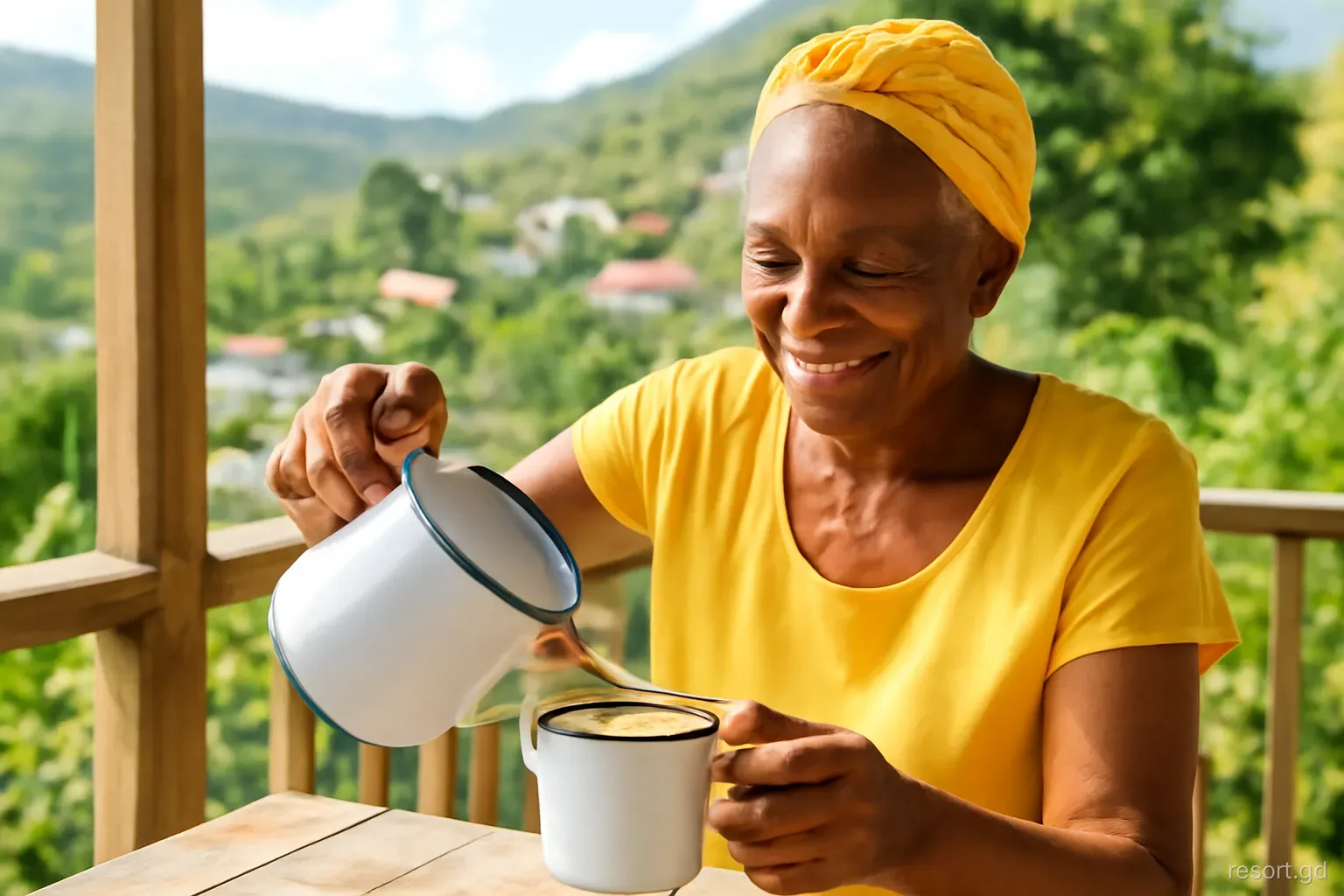
The same ingredients used on the treatment table play a part in everyday Grenadian life. Cocoa tea, made from local cocoa balls grated into hot milk or water with spices, is a traditional breakfast drink. Ginger and lemongrass, known locally as fever grass, are steeped as teas. Nutmeg-based rubs and sprays for aches are sold widely in shops and markets.
A visit to a nutmeg station, a cocoa estate or the market in St George's gives context to what you experience at the spa. Seeing nutmeg seeds being sorted, or cocoa beans fermenting and drying in the sun, makes a spice massage feel less like a branded product and more like a part of the island. Many visitors combine a morning at an estate with an afternoon treatment.
Frequently asked questions
What is a nutmeg massage in Grenada?
A nutmeg massage uses a carrier oil such as coconut blended with a small amount of nutmeg essential oil. It has a warm, spicy scent and is often chosen for tired muscles after hiking or travel. Ask for a patch test if you have reactive skin.
Are spice spa treatments safe for sensitive skin?
Many are, but some spice oils such as clove and cinnamon can irritate. Tell the therapist about skin conditions and allergies, ask for a patch test, and request a gentler blend or an unscented option if you are unsure.
Can you have a spice treatment while pregnant?
Tell the spa you are pregnant when booking. Many avoid certain essential oils during pregnancy, including some spice oils, and offer a dedicated pregnancy massage instead. Check with your own doctor if you have any concerns.
Do Grenada spas use local spices?
Many do, sourcing nutmeg, cocoa and coconut from the island or local producers, while others use imported oils with a local name. If provenance matters to you, ask where the ingredients come from.
Can you take Grenadian spice oils and balms home?
Locally made oils, soaps and balms are sold at markets, craft shops and estate visitor centres. Check your home country's rules on bringing in plant products and liquids, and pack liquids according to airline limits.