Grenada has no shortage of pleasant hotels with a pool, a beach bar and friendly staff. A handful of properties charge two or three times as much for a night, and the question most people ask before booking one is simple: what exactly does the extra money buy on this island?
The honest answer is that luxury in Grenada is less about marble and chandeliers than about space, privacy, position and people. The top end is small. Most high-end rooms sit on or above Grand Anse and the south coast peninsulas, at properties such as Spice Island Beach Resort, Silversands and Calabash, plus a few smaller hillside hotels. None of them is a 1,000-room complex, and that scale is part of the appeal.
This explainer breaks down the markers that genuinely distinguish a luxury stay here, the things that look premium but matter little, and how to tell from a listing whether a property earns its rate.
Space and privacy come first
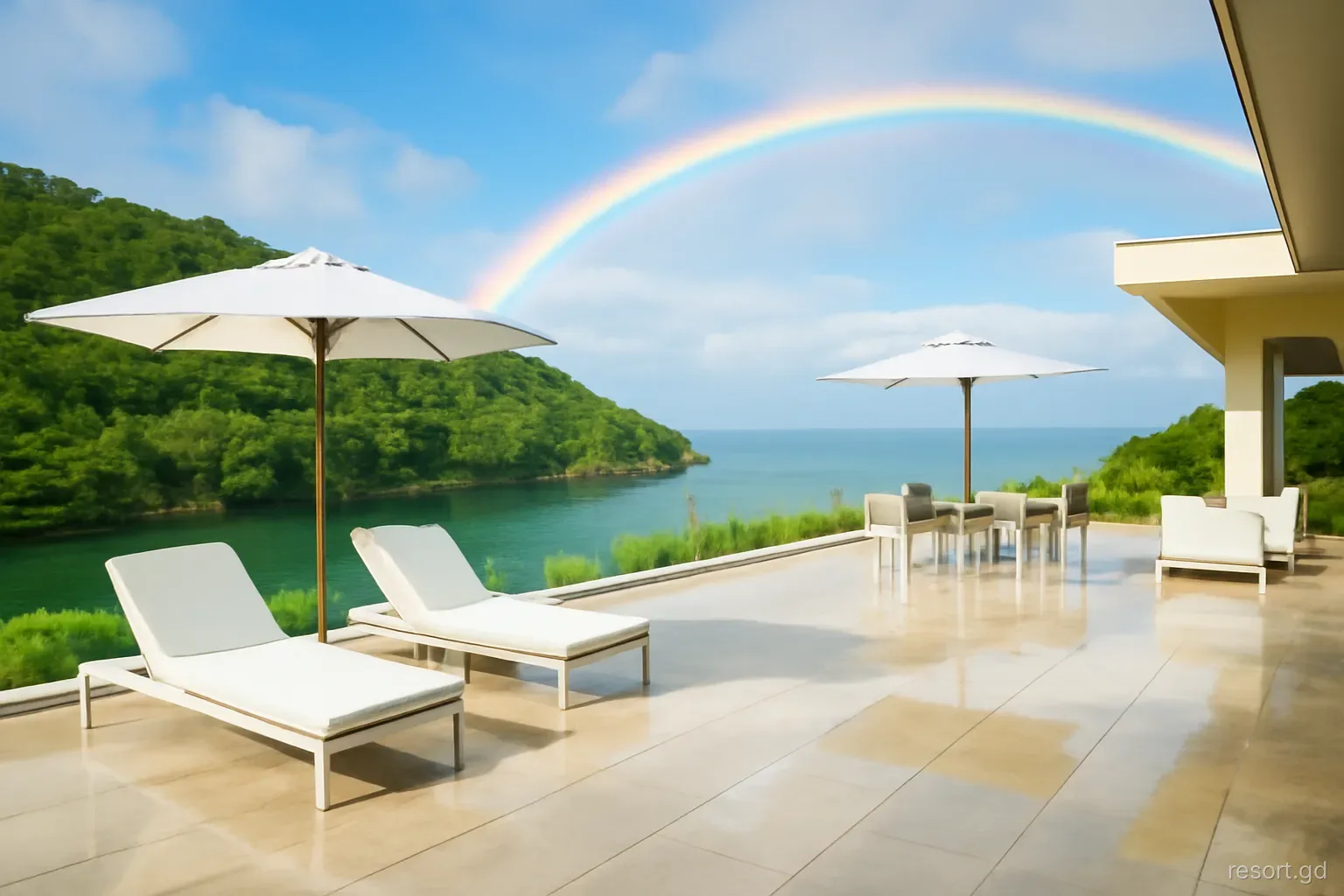
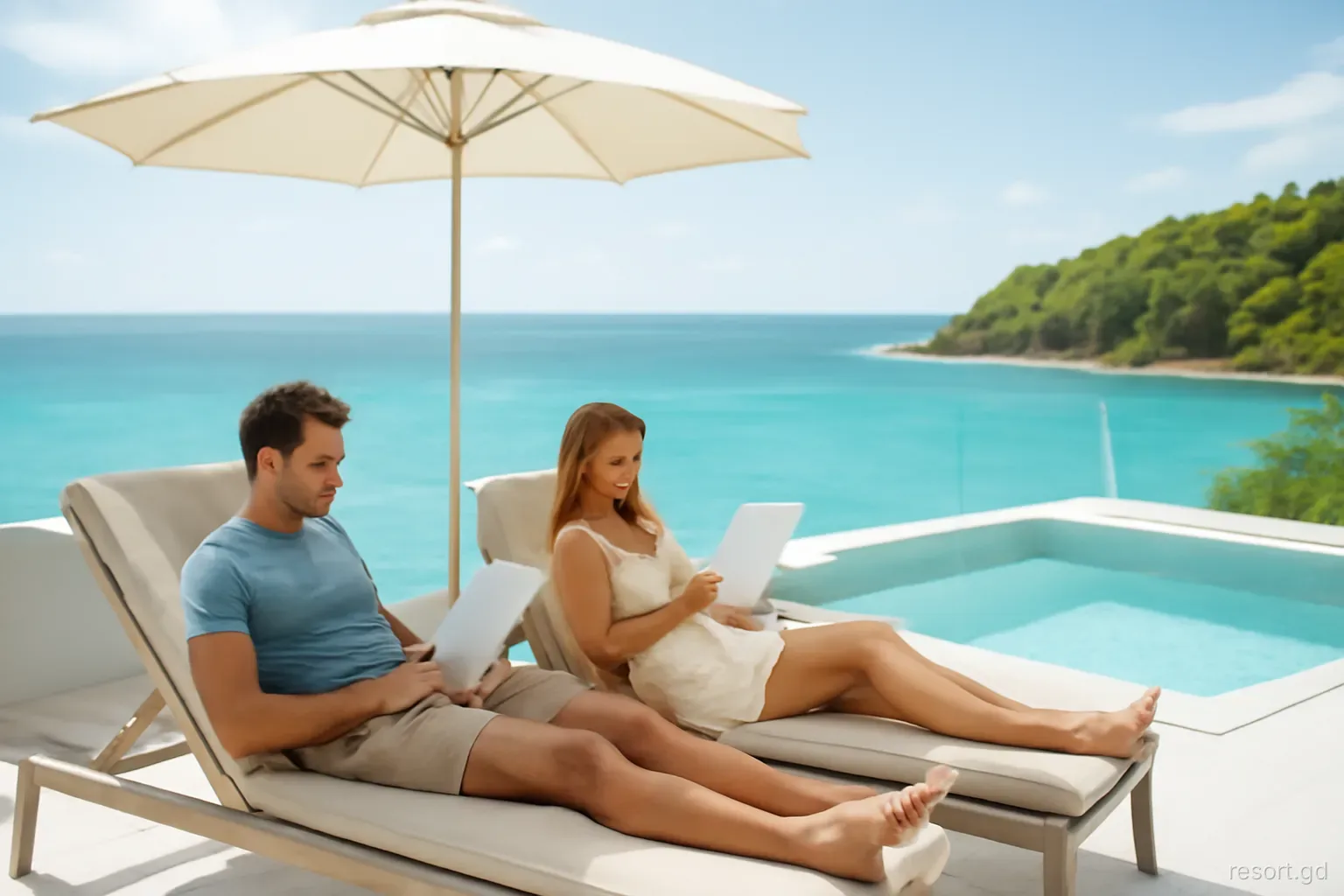
The clearest difference between a good hotel and a luxury resort in Grenada is how much room you get and how few people you share it with. Standard rooms at mid-range hotels on Grand Anse are often 25 to 35 square metres with a balcony. At the top end, the entry category is frequently a suite, with a separate sitting area, an outdoor shower or garden, and in many cases a private plunge pool or a terrace that is not overlooked by the neighbours.
Privacy is also about layout. Low-rise buildings spread through gardens, separate cottages on a hillside, and suites with their own path to the sand all reduce the sense of being in a hotel. When comparing properties, look at how many keys (rooms and suites) there are against the length of beach or the size of the grounds. A resort with fewer than a hundred keys on a long stretch of sand feels very different from one of the same size squeezed onto a narrow plot, even if the room photos look alike.
Staffing and the quality of service
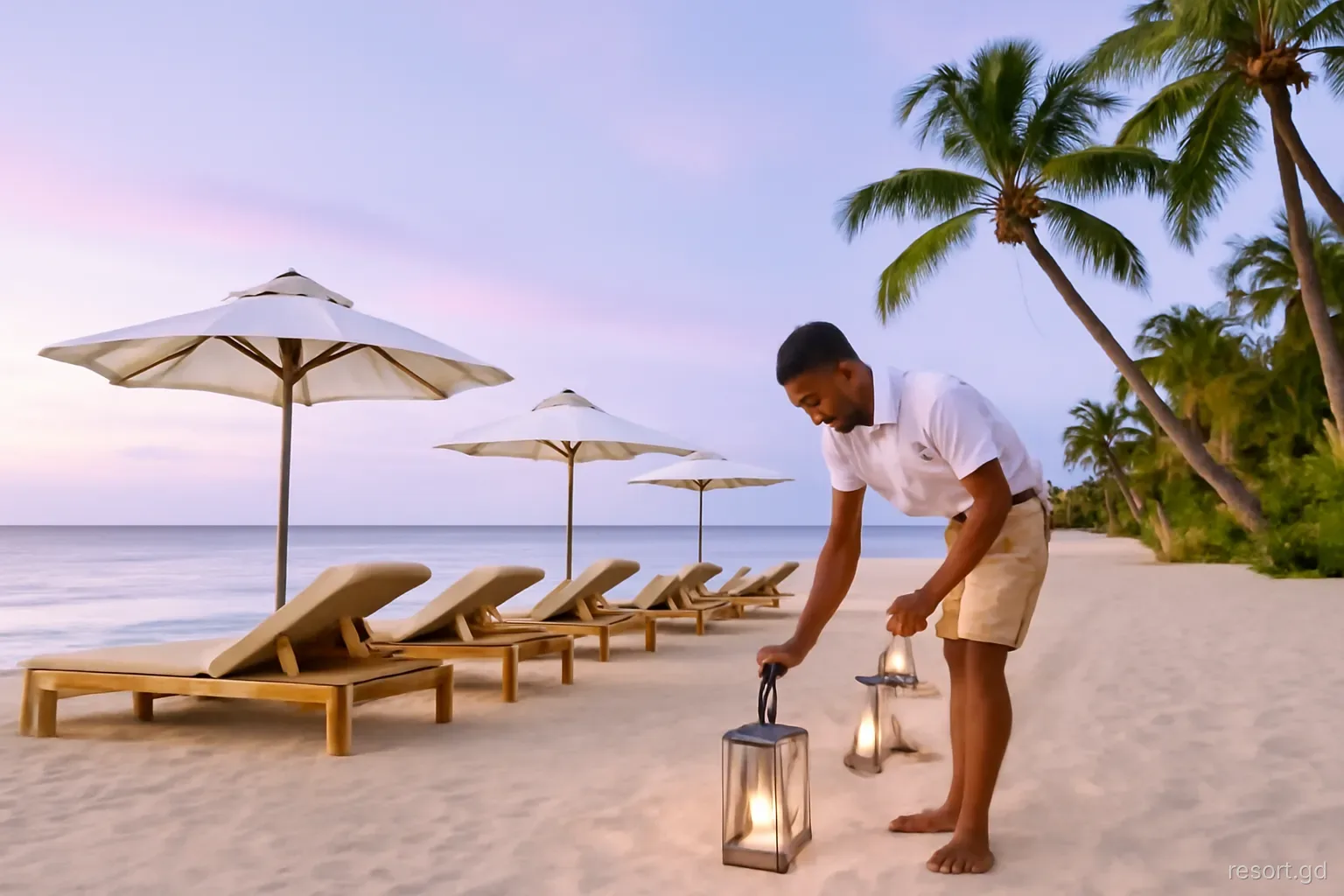
Luxury resorts carry more staff per guest, and that shows in small ways rather than grand gestures: drinks arriving at a beach lounger without a walk to the bar, a room tidied twice a day, a restaurant that remembers you dislike coriander. At the very top end, some suites come with a butler or a dedicated host who handles reservations, transfers and requests.
Grenadian service has its own rhythm. It is warm, personal and unhurried, and staff at the best properties are often long-serving locals who know the island thoroughly. What separates a luxury operation is consistency: the unhurried manner should not slide into forgotten orders or a 40-minute wait for a bill. Recent guest reviews are more useful than marketing here. Look for repeated mentions of the same staff by name, which usually signals low turnover and a well-run property, and be wary of reviews that praise the setting but complain repeatedly about slow or muddled service.
Beach position and setting
Directly on the sand. Grand Anse and Morne Rouge (often called BBC Beach) have the calmest, most reliable swimming on the island, and only a few properties sit right on them with rooms opening onto the beach. Being on the sand rather than across a road or up a hill is one of the things you are paying for.
Public beaches, private feel. All beaches in Grenada are public, so no resort can fence off the shore. Luxury properties manage the feel with loungers and service in front of their own grounds, but walkers and licensed vendors can still pass.
Hillside alternatives. Some excellent high-end hotels are set above the beach rather than on it. The trade-off is views and breeze against steps and a short walk or shuttle to the water.
Orientation. West-facing Grand Anse and Morne Rouge watch the sun set over the sea. South coast properties around Lance aux Epines face calmer bays and sailing boats rather than open sunsets.
Food that goes beyond the buffet
Mid-range hotels in Grenada often run one main restaurant with a buffet on certain nights. Luxury resorts generally offer à la carte dining at every meal, often in more than one restaurant, and the better kitchens build menus around what the island grows and lands: callaloo, breadfruit, christophene, lambi (conch), fresh tuna and mahi-mahi, nutmeg and cocoa. A kitchen that sources from local farmers and fishermen tends to produce food with a clear sense of place, and that is a sign of a property taking its cooking seriously.
Some high-end resorts are all-inclusive, with meals and drinks in the rate; others sell room-only or breakfast rates and expect you to dine in their restaurants or elsewhere. Neither model is more luxurious in itself. What matters is choice, quality and whether you will tire of the menu over a week. If a property has only one restaurant, check whether it changes its menu daily and whether eating out nearby is easy.
Spa, activities and the quiet extras
High-end resorts in Grenada usually include a proper spa rather than a single treatment room, and the better ones use local ingredients such as nutmeg, cocoa, coconut and lemongrass in their treatments. Non-motorised water sports, such as kayaks, paddleboards and snorkelling gear, are commonly free to borrow, while diving, boat trips and motorised sports are charged separately almost everywhere.
The less visible extras often matter more over a week: a beach attendant who sets up shade before you arrive, fresh fruit and cold towels by the pool, a concierge who can book a table at a busy restaurant on Grand Anse or arrange a driver who knows the rainforest roads. Ask what is complimentary before arrival. Some properties include afternoon tea, sunset cocktails, a weekly manager's reception or airport transfers in the rate; others charge for each of these, and the difference adds up quickly over a long stay.
Things that look premium but matter less
Several features turn up in luxury marketing without making much difference on the ground in Grenada. Weigh them lightly:
- Huge pool size claims. A long infinity pool photographs well, but on Grand Anse the sea itself is usually calm and warm, and many guests swim there instead.
- Award logos. Industry awards vary widely in how they are decided. Recent independent reviews tell you more about the stay you will actually have.
- In-room technology. Large televisions and smart controls are pleasant, but reliable Wi-Fi and good air conditioning matter far more in the heat.
- Gym equipment. Useful if you train daily; otherwise a beach walk or a hike in the Grand Etang forest does the job.
- Brand name alone. International brands guarantee certain standards, but some of the most loved properties on the island are independent and locally run.
How to judge whether the rate is earning its keep
Compare like with like. Put the price of a luxury suite next to the best room at a strong mid-range hotel on the same beach, not next to its cheapest room. The gap is often smaller than it first appears.
Check what the rate includes. Breakfast, airport transfers, non-motorised water sports and afternoon tea may or may not be included. A cheaper rate that excludes everything can end up costing more.
Read the recent reviews in the low season. Standards that hold up in September, when occupancy is low and some restaurants close for maintenance, are a good sign of how a property is run.
Ask about building work. New construction on or near Grand Anse has been steady in recent years. A short email asking whether any work is planned during your dates can save a noisy week.
Confirm taxes and service. Quoted rates may exclude VAT and a service charge, which together can add a noticeable percentage to the bill. Always ask for the full figure.
Frequently asked questions
Which are the best-known luxury resorts in Grenada?
Names that regularly appear among the island's high-end options include Spice Island Beach Resort and Silversands on Grand Anse, Calabash in Lance aux Epines and Sandals Grenada at Pink Gin Beach. Smaller luxury hotels such as Laluna near Morne Rouge are also well regarded. Check recent reviews before booking, as standards change.
Is a luxury resort in Grenada worth it compared with a mid-range hotel?
It depends on how much time you plan to spend at the property. If you will be out exploring daily, a good mid-range hotel may suit you better. If the stay is mainly about rest, privacy and dining, the extra space and service at a luxury resort make a real difference.
Are beaches in front of luxury resorts private?
No. All beaches in Grenada are public by law, so anyone can walk along the shore in front of a resort. Resorts control their own loungers, bars and grounds, which keeps their stretch calmer, but vendors and walkers can still pass by.
Do luxury resorts in Grenada have butlers?
Some do, usually in the top suite categories rather than for every room. Butler or host service tends to cover reservations, unpacking, in-room dining and arranging excursions. Check exactly which room types include it, as the service level varies from one resort to another.
What is the best area for a luxury stay in Grenada?
Grand Anse and Morne Rouge offer the calmest swimming and the most choice, while Lance aux Epines and the south coast are quieter and more residential. A few hillside properties trade direct beach access for views and privacy.
Should children stay at luxury resorts in Grenada?
Several high-end resorts welcome families, while others are adults-only or restrict ages at certain times of year. Policies change, so confirm the child policy, family room options and any kids' club directly with the property before booking.