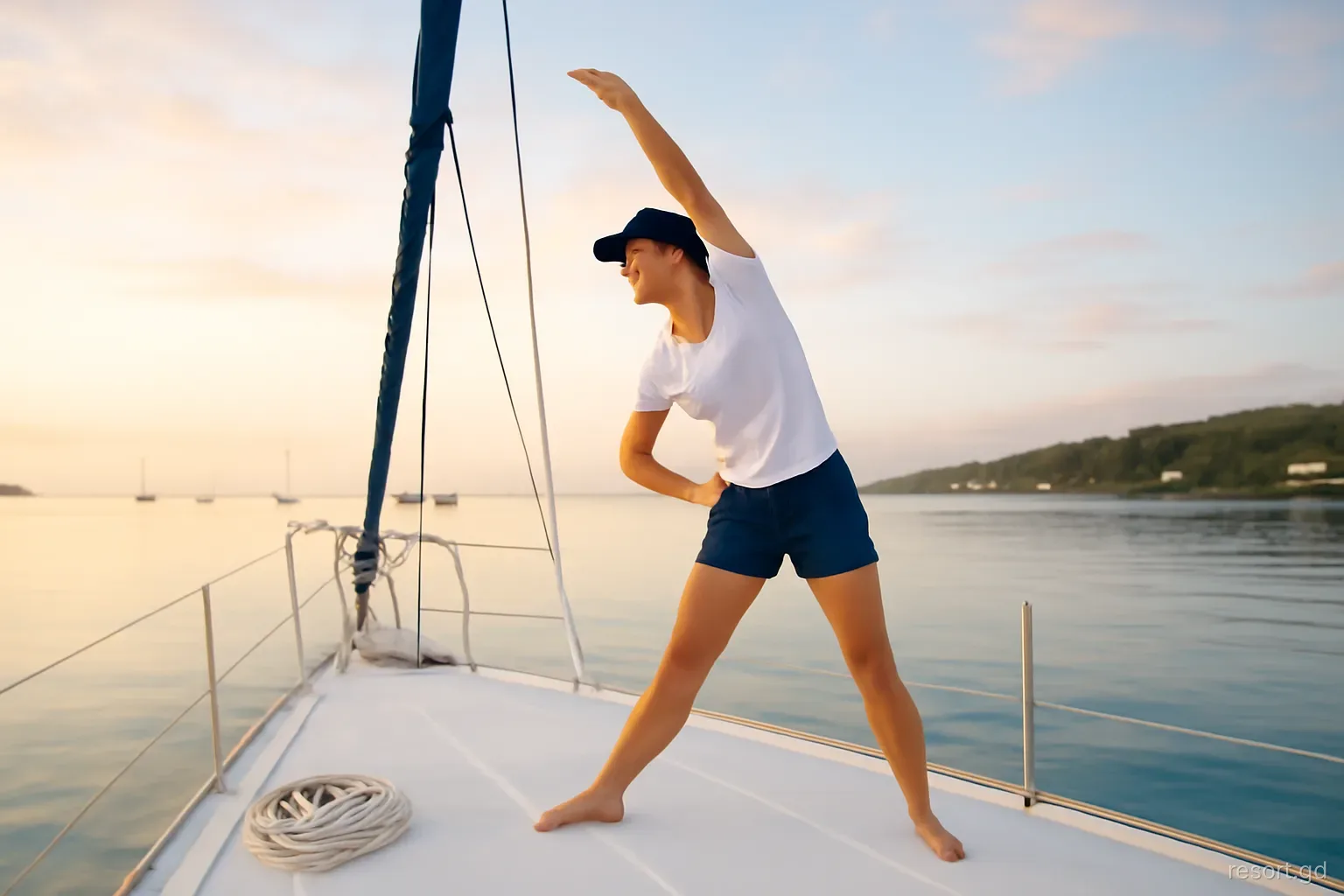
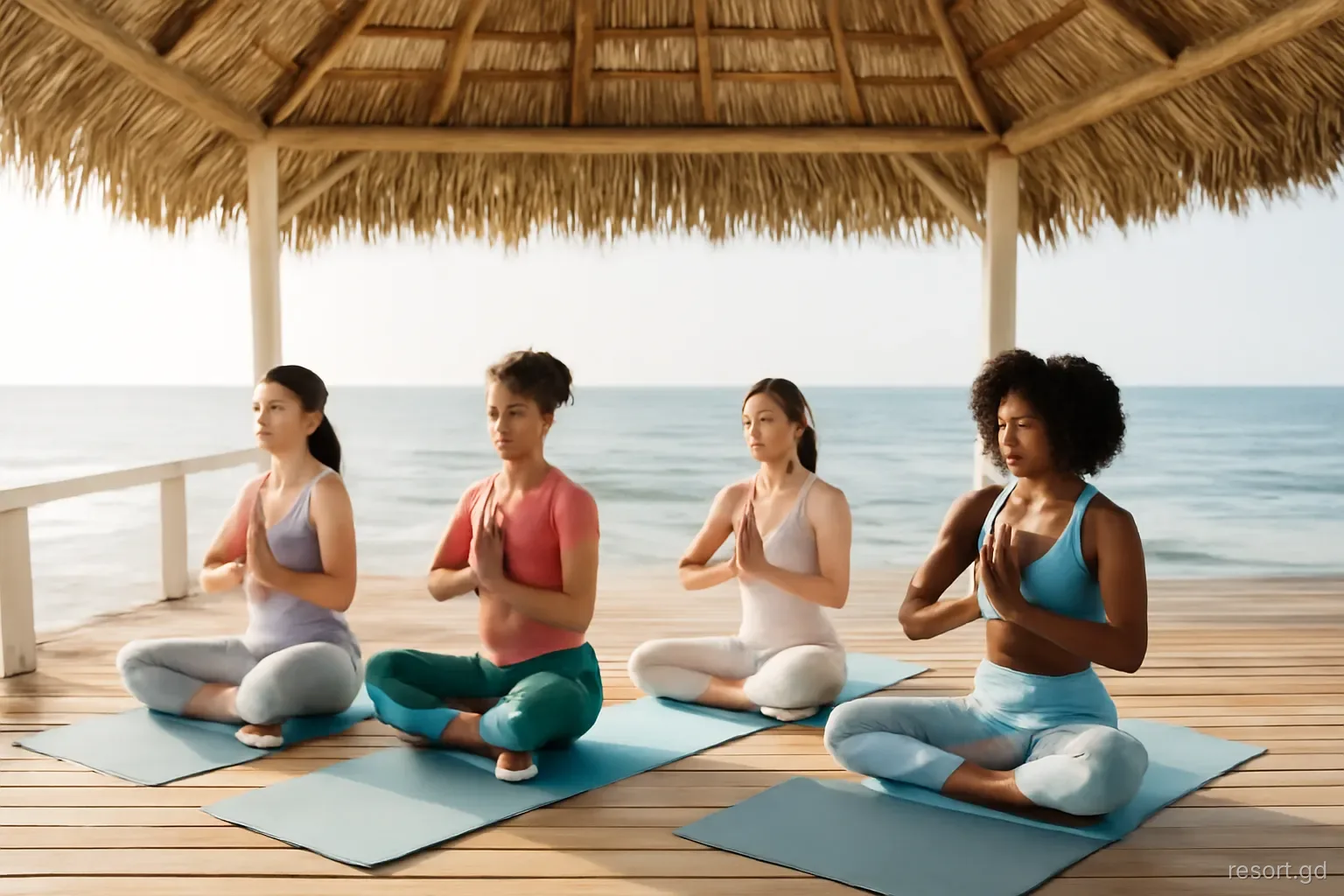
Yoga has quietly become one of the most common wellness activities in Grenada. Some resorts and boutique hotels offer morning classes on a deck facing the sea, small studios run drop-in sessions for residents and visitors, and visiting teachers bring week-long retreats to the island several times a year. For anyone who practises at home, a week in Grenada is an easy way to keep going, or to go deeper.
The setting is the obvious attraction: open-air platforms under thatch or timber roofs, the sound of the sea, the rainforest-covered hills behind. The challenges are less obvious. Tropical heat and humidity change how the body responds to practice, and a retreat that looks lovely online may suit a different level or style from yours.
This guide covers the types of yoga available in Grenada, how to choose a retreat, what a typical retreat day looks like, and how to practise sensibly in the climate.
Where yoga happens on the island
Most yoga in Grenada takes place in the south-west, where the visitor accommodation is concentrated. Several resorts and boutique hotels around Grand Anse, Morne Rouge and the south coast have yoga decks or pavilions and offer classes to guests, sometimes daily, sometimes a few times a week. Classes are typically held in the early morning or late afternoon, when the heat is lower, and range from gentle flow to more vigorous styles depending on the teacher.
Independent teachers and small studios serve residents, including the large community connected with St George's University, and many welcome visitors for drop-in classes. Some teachers also offer private sessions at villas, which suits couples or groups who want a session tailored to them. Beach yoga sessions are offered from time to time, though practising on sand is harder on the wrists and balance than it looks.
Retreats are often organised by teachers from North America or Europe who book a hotel or villa for a week and bring a group. They are advertised mainly through the teachers' own channels, so they are less visible locally than resort classes.
Choosing a yoga retreat in Grenada
A retreat is a bigger commitment than a class, and the details matter more. The first question is style and level. A retreat marketed as suitable for all levels may lean towards beginners or towards experienced practitioners, depending on the teacher. Read the description closely, look at the daily schedule and ask the organiser directly about the expected level.
The second question is the balance of the week. Some retreats are intensive, with two long practices a day and quiet time in between. Others are closer to a holiday with yoga: one class a day, plenty of excursions and free time. Neither is better, but arriving with the wrong expectations spoils the week.
The third is the venue. A retreat in a boutique hotel on the beach is different from one in a hillside villa or an eco-lodge in the interior. Check what accommodation is included, whether rooms are shared, how meals are handled and whether the practice space is covered and protected from rain and wind.
A typical retreat day
Retreats vary, but many follow a similar rhythm that suits the climate. A common pattern looks like this:
- Early morning practice, often starting around sunrise, when it is coolest. Expect sixty to ninety minutes of movement, breathing and meditation.
- A late breakfast, often with tropical fruit, local bread and eggs or a plant-based option, depending on the retreat.
- Free time or an excursion through the hottest part of the day: a beach, a waterfall walk, a boat trip, a spa treatment or simply rest.
- Lunch and a quiet afternoon, for reading, napping or swimming.
- A gentler late-afternoon session, such as restorative or yin yoga, as the light softens.
- Dinner and an early night, since early mornings are central to the schedule.
Practising safely in tropical heat
Hydrate before, not just after. Drink water steadily through the day, not only during practice. Coconut water, sold fresh from roadside vendors, is a traditional way to replace fluids and salts.
Respect the heat. Muscles warm faster in the tropics, which can make you feel more flexible than you are. Ease into deep stretches and avoid pushing beyond your usual range.
Mind the sun. Outdoor decks may be shaded only at certain times. Avoid long sessions in direct sun, especially between late morning and mid-afternoon.
Watch for heat exhaustion. Dizziness, nausea, headache or heavy sweating followed by feeling cold are warning signs. Stop, rest in the shade and drink water.
Bring the right mat. Humidity makes mats slippery. A grippy mat or a towel over the mat helps; many venues provide mats, but quality varies.
Insects. Evening sessions outdoors can attract mosquitoes. Insect repellent applied before the class, away from the face, saves distraction.
What to check before booking a class or retreat
A few questions answered in advance prevent most disappointments:
- Who is the teacher, what training do they have, and what style do they teach?
- What level is the class or retreat really aimed at, and can the teacher adapt for injuries?
- Is the practice space covered, and what happens if it rains or the wind picks up?
- Are mats, blocks and straps provided, or should you bring your own?
- For retreats, what exactly is included: accommodation, meals, excursions, airport transfers, spa treatments?
- What is the cancellation policy, and is there any cover for weather disruption in the hurricane months?
- How large is the group? Smaller groups get more individual attention.
- For private sessions at a villa, is there a travel charge, and does the teacher bring equipment for everyone?
Etiquette and practical habits on the mat
Open-air practice spaces in Grenada bring a few habits worth knowing. Arrive a little early, since classes on hotel decks often start promptly to make the most of the cooler hour. Shoes come off at the edge of the deck, and wet swimwear is best changed before class so that mats stay dry. If a resort class is open to the public, check whether non-guests need to book or pay at reception first.
Bring water, a small towel and, for early sessions, a light layer for the final relaxation, when a sea breeze can feel surprisingly cool after sweating. Tell the teacher about injuries before the class starts. Teachers on the island are used to mixed groups of residents, students and visitors at very different levels, and most will offer alternatives if they know what you need. Finally, keep phones silent and out of sight; part of the point of practising beside the sea is the sound of it.
When to go for yoga
The dry season from December to April offers the most reliable weather for outdoor practice, with lower humidity and steady trade winds that cool open-air decks. It is also the busiest period, when retreats are most often scheduled and resort classes are best attended. May and June can be excellent, with fewer people and generally good weather before the rainier months set in.
From roughly June to November, humidity and rainfall increase, and outdoor sessions are more likely to be interrupted by showers. Practice is still very possible, especially in the early morning, and some practitioners prefer the quieter atmosphere. Retreats in these months may be cheaper but also less frequent, and travel insurance that covers storm disruption becomes more important.
Whatever the season, the first day or two after a long flight is best kept gentle. Jet lag, dehydration and heat combined make the body less forgiving than usual.
Frequently asked questions
Are there yoga classes for visitors in Grenada?
Yes. Several resorts and boutique hotels in the south-west offer classes to guests, and independent teachers and studios run drop-in sessions open to visitors. Private sessions at villas can also be arranged. Ask your hotel or check recent listings for current schedules.
When is the best time of year for a yoga retreat in Grenada?
December to April gives the most reliable weather and lower humidity for outdoor practice. May and June are often quieter with good conditions. The wetter months from June to November bring more rain interruptions but fewer people.
Is beach yoga in Grenada a good idea?
It can be lovely at sunrise or late afternoon, but sand makes balance and wrist-weight poses harder, and sun exposure is high. A covered deck near the beach is often more comfortable, especially for longer practice.
How do you avoid overheating during yoga in Grenada?
Practise early or late in the day, drink water steadily through the day, ease into deep stretches, avoid direct sun and stop if you feel dizzy or nauseous. Coconut water helps replace fluids and salts after practice.
Should you bring my own yoga mat to Grenada?
Many venues provide mats, but quality varies and humidity makes some slippery. A lightweight travel mat or a grippy yoga towel is worth packing if you plan to practise regularly during your stay.