Almost every small property in Grenada calls itself a boutique hotel at some point, and so do a few that are not small at all. The word has no legal meaning here: the Grenada Tourism Authority licenses and classifies accommodation, but it does not certify anyone as boutique. That leaves the traveller to work out what a given label is actually promising.
The distinction still matters, because a twenty-room inn on a hillside above Morne Rouge and a two-hundred-room beachfront resort on Grand Anse deliver very different holidays, even at similar nightly rates. One gives you a name-and-face relationship with the people running it and a quieter, more individual setting; the other gives you choice, scale and predictability. Neither is better in the abstract. This piece sets out what genuinely separates them in the Grenadian context, so you can decide which one suits the trip you are planning.
Size is the first test, but not the only one
A useful rule of thumb in Grenada is that a boutique property has somewhere between a handful and about forty rooms, suites or cottages. Above that, the operation starts to need layers of management, several restaurants and a formal entertainment programme, and it begins to behave like a resort. Below about eight rooms, many places are better described as guesthouses or inns, with a more domestic feel and fewer services.
Room count alone can mislead, though. Calabash on the L'Anse aux Epines beach has a modest number of suites but runs with the polish of a luxury hotel, while some mid-sized properties along the Grand Anse strip feel informal and family-run despite having more rooms. Look instead at who makes the decisions. In a true boutique hotel the owner or a long-serving manager is usually on site, answers emails personally and shapes the character of the place, from the art on the walls to the breakfast menu.
A good check is to read recent guest reviews for staff names. When reviewers repeatedly mention the same manager, chef or housekeeper by name, you are probably looking at a small, personally run operation.
What you typically gain at a small hotel
Personal service. Staff learn your name and habits within a day. Requests such as an early breakfast before a hike to the Seven Sisters waterfalls or a packed lunch for a boat trip are handled by the person who will actually make them, not passed through a call centre.
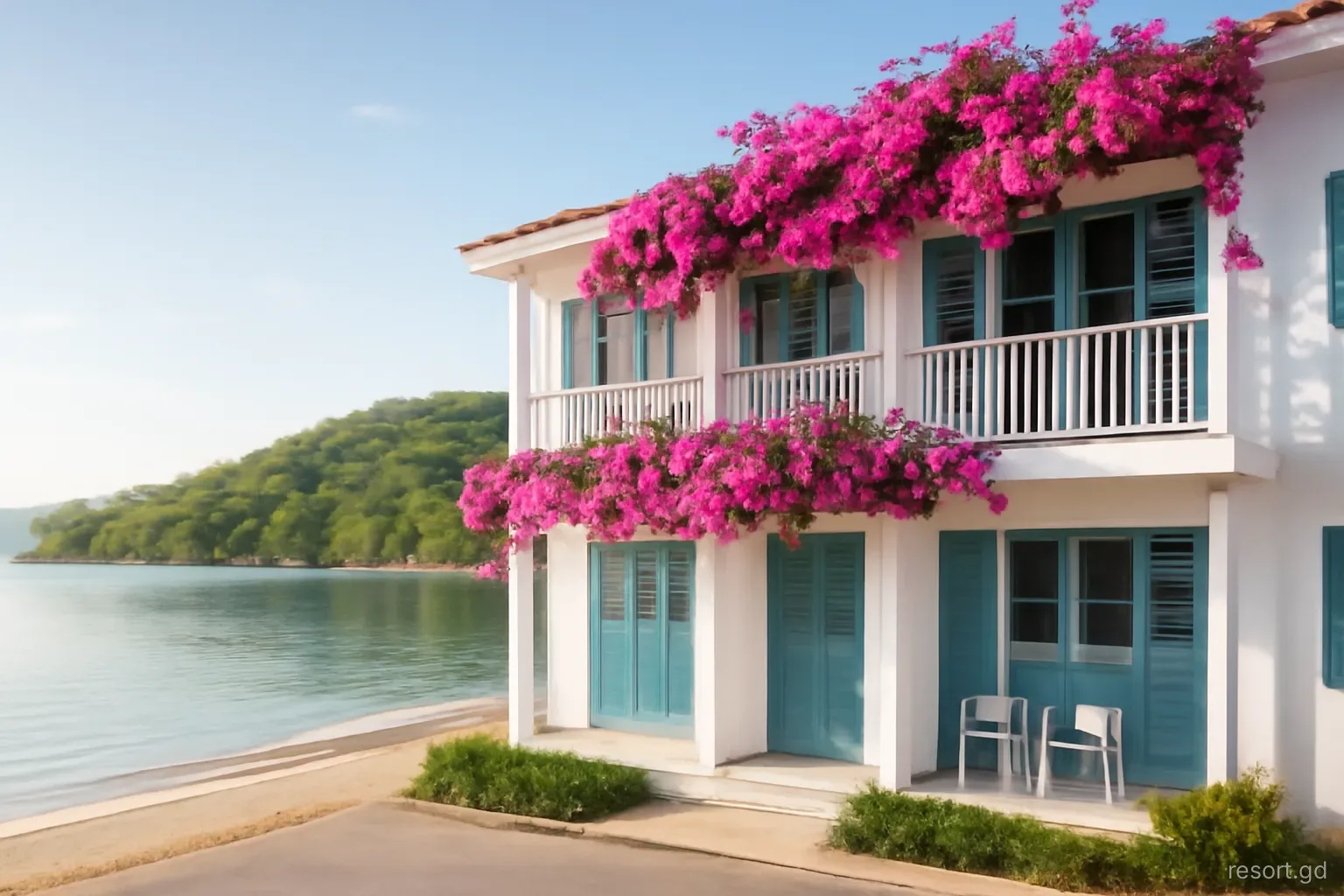
Setting and design. Many of Grenada's small hotels occupy sites a large resort could never use: steep hillsides with cottages stepped down to the sea, a narrow cove between headlands, or a garden plot behind the beach. Design tends to be individual, with local timber, louvred windows and open verandas rather than a corporate template.
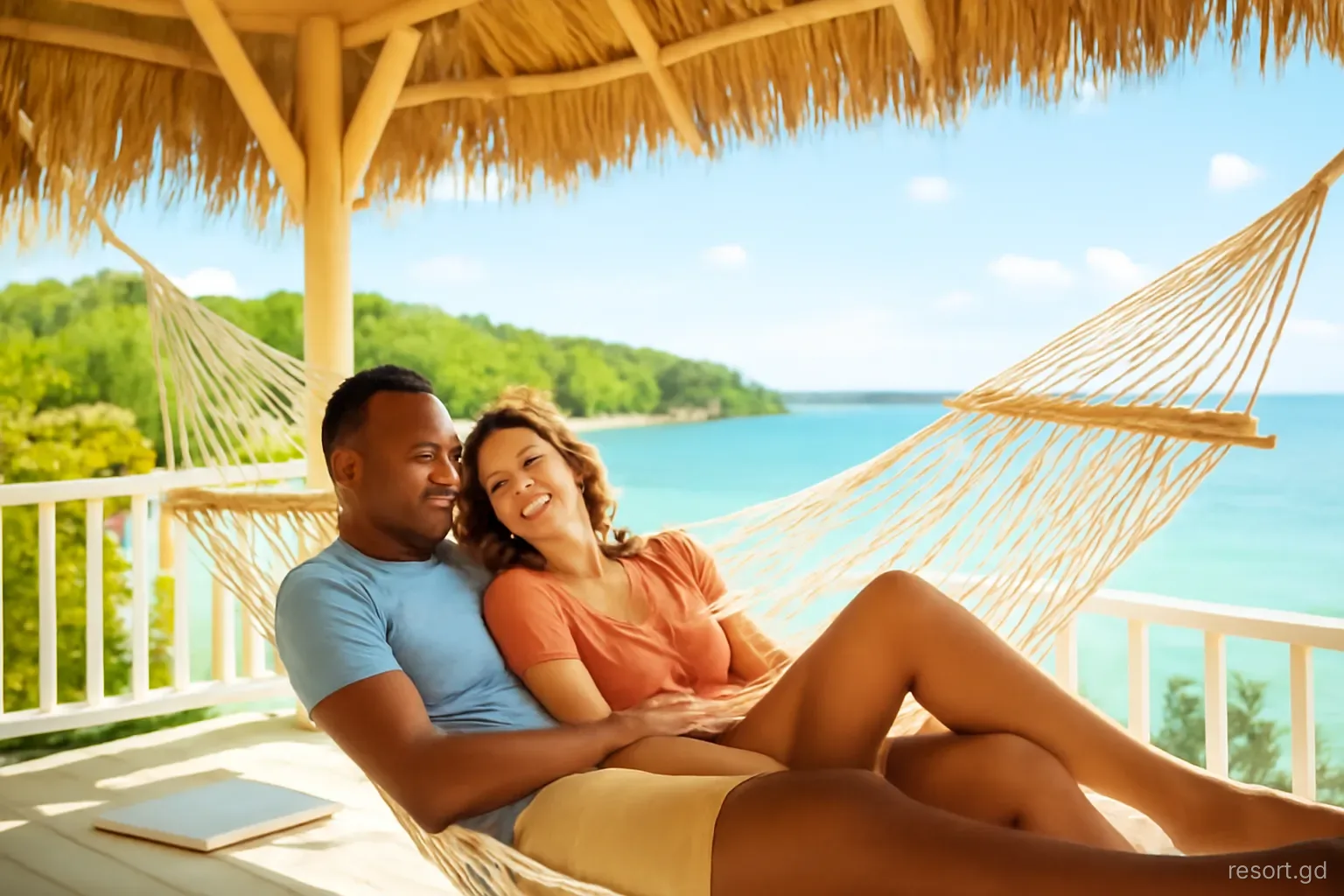
Quiet. With fewer guests, there are fewer children's activities, no amplified pool games and usually no nightly show. Several properties lean towards adults or couples by policy or simply by atmosphere.
A local food connection. Smaller kitchens often buy from nearby fishermen and farmers and change dishes with the catch and the season, so you may see callaloo soup, oil down on a set evening or fresh mahi-mahi rather than a fixed international buffet.
What you usually give up
Choice of restaurants and bars. A small hotel typically has one restaurant, sometimes none. Plan to eat out several nights, which in the Grand Anse and Lance aux Epines areas is easy, but on a remote hillside means a taxi each way.
Facilities. Expect one pool or none, rather than a lagoon complex. Gyms, kids clubs, tennis courts and full spas are rarer, though some small hotels arrange massage in your room or on a veranda.
Round-the-clock reception. Many small places staff the front desk in the daytime and evening only, with a night watchman after hours. Late arrivals on evening flights into Maurice Bishop International Airport need to be agreed in advance.
Direct beach frontage. Prime beachfront on Grand Anse is mostly taken by larger resorts. Many boutique properties are a short walk or drive from the sand, or sit on smaller beaches such as Morne Rouge or True Blue.
How prices compare across the two types
Small does not mean cheap. Grenada's accommodation spans three broad bands, and boutique hotels appear in all of them. Simple family-run inns and guesthouses often fall somewhere around US$80 to US$180 a night for a double room. Mid-range boutique hotels with a restaurant and pool commonly sit in the US$180 to US$400 range in high season. Luxury boutique properties can exceed US$600 a night, and suites or cottages with private plunge pools go well beyond that.
Large resorts often look cheaper per night at the low end because they fill many standard rooms, while all-inclusive plans bundle food and drink. To compare fairly, add what a small hotel stay will cost in meals and transport. These figures are indicative only, they move with season and demand, and many quotes exclude VAT and a service charge, so confirm the final total before paying.
Signs a property is boutique in name only
The label is used loosely, and a few warning signs suggest you may be booking something other than a characterful small hotel:
- Photographs show only the pool and the view, never the rooms, which can mean dated or very basic interiors.
- The property sits inside or directly beside a much larger resort and shares its beach, bars and crowds.
- Every review mentions a different management company, a sign of frequent change in who runs the place.
- Reservations go only through third-party booking sites, with no way to reach the hotel itself before arrival.
- Room descriptions promise sea views but the floor plans or photos suggest garden-level rooms facing a car park or road.
- There is no mention of when the restaurant is open, which may mean it operates only part of the week or part of the year.
Choosing between them: a quick decision guide
Pick a small hotel if you want quiet, a sense of place and staff who know you, and if you are happy to eat out and arrange your own excursions. It suits couples, independent travellers, divers and sailors who spend the day elsewhere, and repeat visitors who already know the island.
Pick a resort if you are travelling with young children who need entertainment, want everything on site, prefer predictable standards, or plan to spend most of the holiday beside the pool. Larger properties such as those on Grand Anse and at Pink Gin Beach near the airport also cope better with groups and with guests who need step-free access.
Plenty of visitors split the difference: a few nights at a resort to recover from the journey, then a move to a smaller hotel for the rest of the stay, or the other way round. On an island this size, changing base costs little more than a short taxi ride.
Questions worth asking before you book either type
Because the label tells you so little, a short email to the property before booking saves disappointment. Ask how many rooms there are in total and how many are usually occupied in the week you plan to travel; a small hotel at full capacity during Christmas or Spicemas feels very different from the same place in June. Ask whether the owner or manager lives on site or visits daily, and who handles problems at night.
For food, ask which nights the restaurant opens, whether dinner needs to be booked by a certain time, and whether the kitchen can handle dietary needs such as vegetarian, gluten-free or nut-free cooking. Small kitchens can often be more flexible than large ones, but they need warning.
Finally, ask what is included in the quoted rate: VAT, the service charge, breakfast, Wi-Fi, beach towels, snorkel gear and airport transfers vary from property to property. The speed and tone of the reply is itself useful information. A boutique hotel that answers in a day with specific detail is usually the kind of place that will look after you well once you arrive.
Frequently asked questions
Does Grenada officially classify boutique hotels?
No. The Grenada Tourism Authority licenses accommodation and monitors standards, but boutique is a marketing word, not an official category. Judge a property by its size, ownership, staffing and reviews rather than the label it uses on booking sites.
Are boutique hotels in Grenada adults only?
Some are adults-only or strongly couples-oriented, while others welcome families and offer connecting rooms or cottages. Policies change, so check the minimum age for guests before booking, especially at properties with steep paths or unfenced pools.
Do small hotels in Grenada include breakfast?
Many include breakfast in the room rate, but not all. Some offer half-board packages, and a few have no restaurant at all and point guests to nearby cafes. Ask whether breakfast is cooked to order or a set plate, and what time it is served.
Is a boutique hotel more expensive than a resort?
Not necessarily. Room rates overlap heavily across both types. A small hotel may look cheaper per night but cost more overall once you add dinners out and taxis, while an all-inclusive resort bundles those costs into a single price.
Can a boutique hotel arrange airport transfers?
Most small hotels in the south-west can book a taxi to meet you at Maurice Bishop International Airport, which is only a short drive from Grand Anse and Lance aux Epines. Confirm the fare and whether the driver will wait if your flight is delayed.