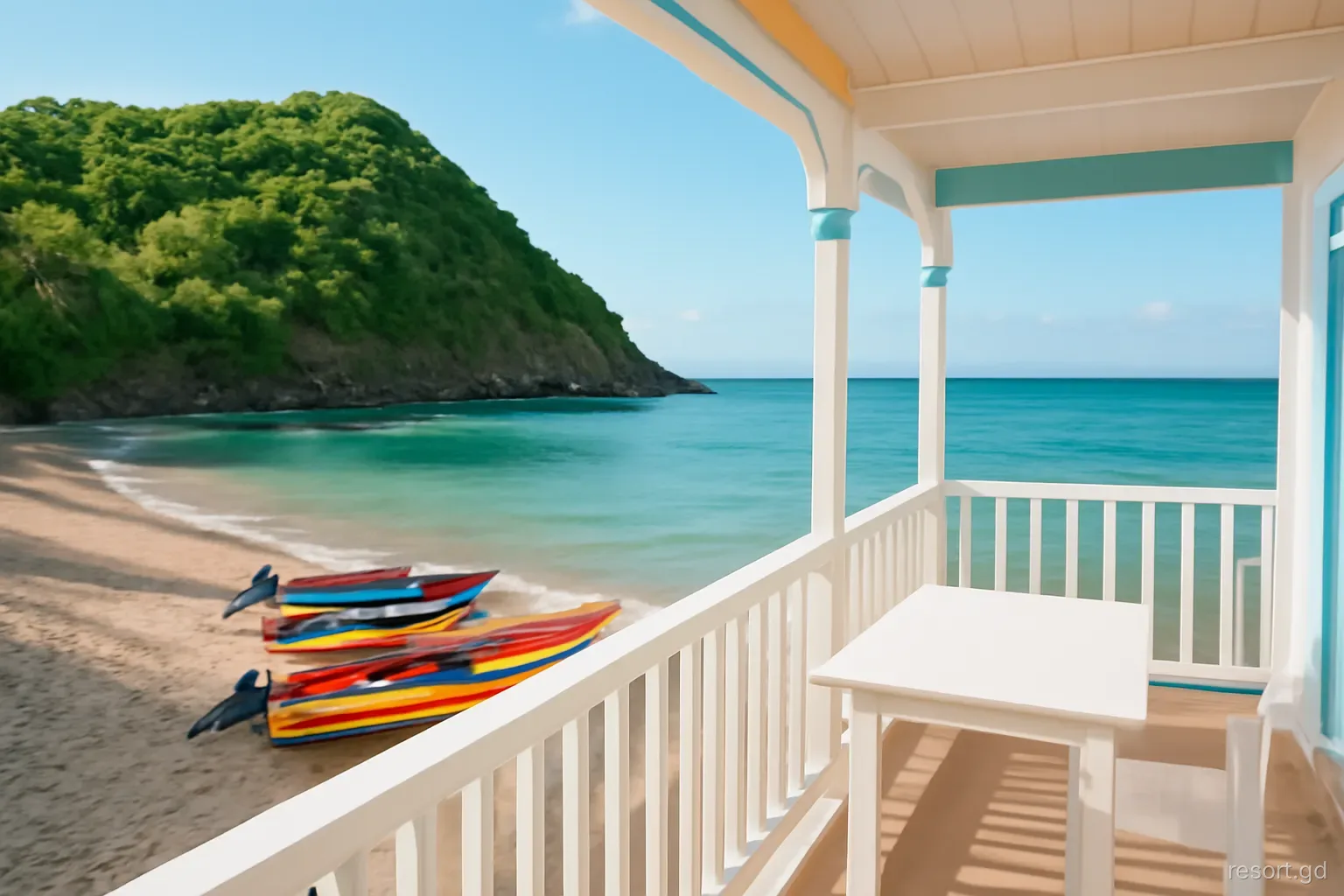

For most of the year, finding a room on Carriacou is a matter of choosing between a few good options. During its festivals, it becomes a matter of finding anything at all. The island's small stock of guesthouses, apartments, small hotels and villas fills quickly when Carriacouans living abroad come home, visitors from Grenada cross over for the weekend and sailors pour into the anchorages. Ferries fill, taxis are stretched and prices for the best-located rooms can rise.
The festivals are also the most memorable time to be on the island. Carriacou's culture is distinctive within Grenada, with traditions such as the Big Drum, Shakespeare Mas and the boatbuilding heritage celebrated at the Regatta. This guide covers when the main events usually fall, how far ahead to book, which areas suit festival visitors and how to handle transport and noise. Dates vary each year, so always confirm the current programme.
The festival calendar at a glance
Carriacou Carnival takes place before Lent, so its date moves each year, usually falling in February or early March. That is different from Grenada's main Carnival, Spicemas, which is held in August. Carriacou's Carnival includes J'ouvert, costume bands and Shakespeare Mas, in which masqueraders in costume compete by reciting speeches from Shakespeare, a tradition associated particularly with the island.
The Carriacou Maroon and String Band Music Festival has typically been held in late April, celebrating the island's African heritage, Big Drum music, string bands and traditional food. The Carriacou Regatta Festival, the island's best-known event, usually runs around late July and early August, near Emancipation Day on 1 August, with races for traditional wooden sloops built on Carriacou and Petite Martinique, alongside shore events, music and food.
The Parang Festival in December, usually on a weekend before Christmas, brings parang bands singing seasonal songs, often with humour and local commentary. On Petite Martinique, the Whitsuntide weekend brings its own regatta and celebrations. Organisers can change dates, and the 2024 hurricane disrupted the calendar that year, so check announcements from the Grenada Tourism Authority and local organisers.
How far ahead to book
For the Regatta and Carnival, start looking as soon as dates are known, and ideally several months ahead. Many returning nationals book rooms or family homes a year in advance, and repeat visitors often reserve the same guesthouse for the following year before they leave. The Maroon festival and Parang weekend are smaller but still fill the most convenient rooms in Hillsborough and around L'Esterre.
Expect some properties to ask for a minimum stay over festival weekends, typically three or four nights, and for full or substantial payment in advance. Cancellation terms may be stricter than usual. Read them carefully, and confirm in writing exactly which nights you have booked, since misunderstandings over dates are common when festivals span several days.
When you enquire, give your exact arrival and departure dates and the ferry or flight you expect to take, and ask the host to confirm the booking by message or email with the total price. Festival weekends are when double bookings and misunderstandings happen, usually because an arrangement was made informally and never written down. A short written confirmation protects both sides and is entirely normal to request.
Since Hurricane Beryl, the number of rooms available has been reduced in some areas, which makes early booking even more important. If accommodation on Carriacou is full, some visitors stay on Grenada's main island and cross for a day, but this depends entirely on ferry capacity and schedules, which are under heavy pressure during festivals.
Where to stay for festivals
Hillsborough. Most Carnival events and many festival activities centre on the town, so staying here means walking to the action and home again. It is also the noisiest option, with music often running late.
L'Esterre and Paradise Beach. A short ride from town, this area offers a beach base with a bit more peace at night. Regatta activities on the west coast are reachable by bus or taxi by day.
Tyrrel Bay. The Regatta brings many visiting yachts to the bay, and the waterfront bars become very busy. A good choice for sailors and those who want to be in the thick of the boating community.
The hills and north. Villas around Belair, Bogles or Windward give quiet nights, but you will need transport for every outing, and festival taxis are in short supply. Best for groups with a car.
Petite Martinique. For Whitsuntide, the few rooms on the island are often taken by visitors and returning families well ahead.
Ferries, flights and getting around during festivals
Transport is the second bottleneck. The Osprey ferry from St George's and the cargo-passenger boats carry heavy loads during festival weeks, and departures on the last day of a festival are often oversubscribed. Buy tickets early where possible, arrive at the terminal well before departure, and consider travelling a day before the main crowd. Small aircraft to Lauriston Airport have limited seats and strict baggage allowances, so book flights early too.
On the island, minibuses and taxis are busy, and evening transport can be hard to find. Arrange taxis in advance through your host for key journeys, such as arrival and departure, and for late nights. If you hire a car, book well ahead, as the island's small fleet is quickly committed. Roads near event areas can be congested and parking scarce.
Build slack into your plans. If you have an international flight from Grenada after a festival, avoid crossing back on the same day. Weather or overcrowding can delay sailings, and missing a flight because of a full ferry is an avoidable expense.
Festival-week tips and pitfalls
A little preparation makes festival time on Carriacou far more enjoyable.
- Expect noise. Sound systems, J'ouvert and late-night fêtes are part of Carnival and Regatta; if you need sleep, choose accommodation away from the centre.
- Carry cash in EC dollars. ATMs can run low or go offline during busy weekends, and many vendors only take cash.
- Book meals or plan self-catering. Restaurants are packed, and some prioritise regulars or pre-orders.
- Respect the traditions. Big Drum, Shakespeare Mas and other events are living culture, not shows staged for visitors. Ask before photographing performers at close range.
- Watch your water use. A full island puts pressure on cisterns and supply, especially during the drier months around Carnival and the Maroon festival.
- Expect higher prices for some rooms and transport during peak weekends, and confirm what is included.
- Prepare for J'ouvert. If you join in, wear old clothes you do not mind ruining, as paint, mud or oil are part of the tradition.
Festival etiquette and safety
Carriacou's festivals are community events first. Many people attending are residents and returning nationals reconnecting with family, and visitors are welcome to join in as guests. Dress modestly away from the beach and the fête grounds, accept that queues for food and transport can be long, and treat volunteers and organisers with patience; much of the work is done by local people giving their time.
Large crowds bring the usual precautions. Keep valuables to a minimum, use a small bag worn in front, agree a meeting point with your group and arrange how you will get home before the night begins. Drink plenty of water in the heat, pace yourself with Jack Iron rum and other strong local drinks, and avoid swimming after drinking. If you are on a boat for the Regatta, follow the skipper's instructions and wear a lifejacket when asked.
Choosing between festival time and a quiet week
Festival weeks show Carriacou at its most sociable, with music, food stalls, racing sloops and families reunited. They suit travellers who enjoy crowds and late nights, who are interested in Carriacou's culture and boatbuilding heritage, and who are willing to plan transport and accommodation well in advance.
Quieter weeks suit those who came for empty beaches, reef snorkelling, slow afternoons and easy availability. Rooms are easier to find and the island's pace is gentler. Visiting just before or after a festival can offer the best of both: some atmosphere and preparations without the peak crowds and prices.
Whichever you choose, the same rule applies as at any time on Carriacou: contact accommodation directly, confirm your nights in writing and arrange transport early. During festivals, that rule simply becomes essential rather than advisable.
Frequently asked questions
When is the Carriacou Regatta?
The Carriacou Regatta Festival usually takes place around late July and early August, near Emancipation Day on 1 August. Dates and programmes vary each year and were disrupted in 2024 by Hurricane Beryl, so check current announcements before booking.
Is Carriacou Carnival at the same time as Grenada's?
No. Carriacou celebrates Carnival before Lent, usually in February or early March, while Grenada's Spicemas takes place in August. Carriacou's Carnival includes Shakespeare Mas, a tradition strongly associated with the island.
How early should rooms be booked for festival weekends?
For Carnival and the Regatta, book as soon as dates are known, ideally several months ahead. Many rooms are reserved by returning families and repeat visitors a year in advance. Expect minimum stays and stricter cancellation terms.
Is it possible to visit a Carriacou festival as a day trip from Grenada?
Sometimes, using the ferry, but festival sailings are very busy and return boats can be oversubscribed. Book tickets early, check schedules carefully and have a back-up plan in case you cannot return the same day.
What is the Parang Festival on Carriacou?
Parang is a Christmas-season music tradition. Carriacou's Parang Festival, usually held on a December weekend before Christmas, features bands singing seasonal songs, often with humorous commentary on local life and events.