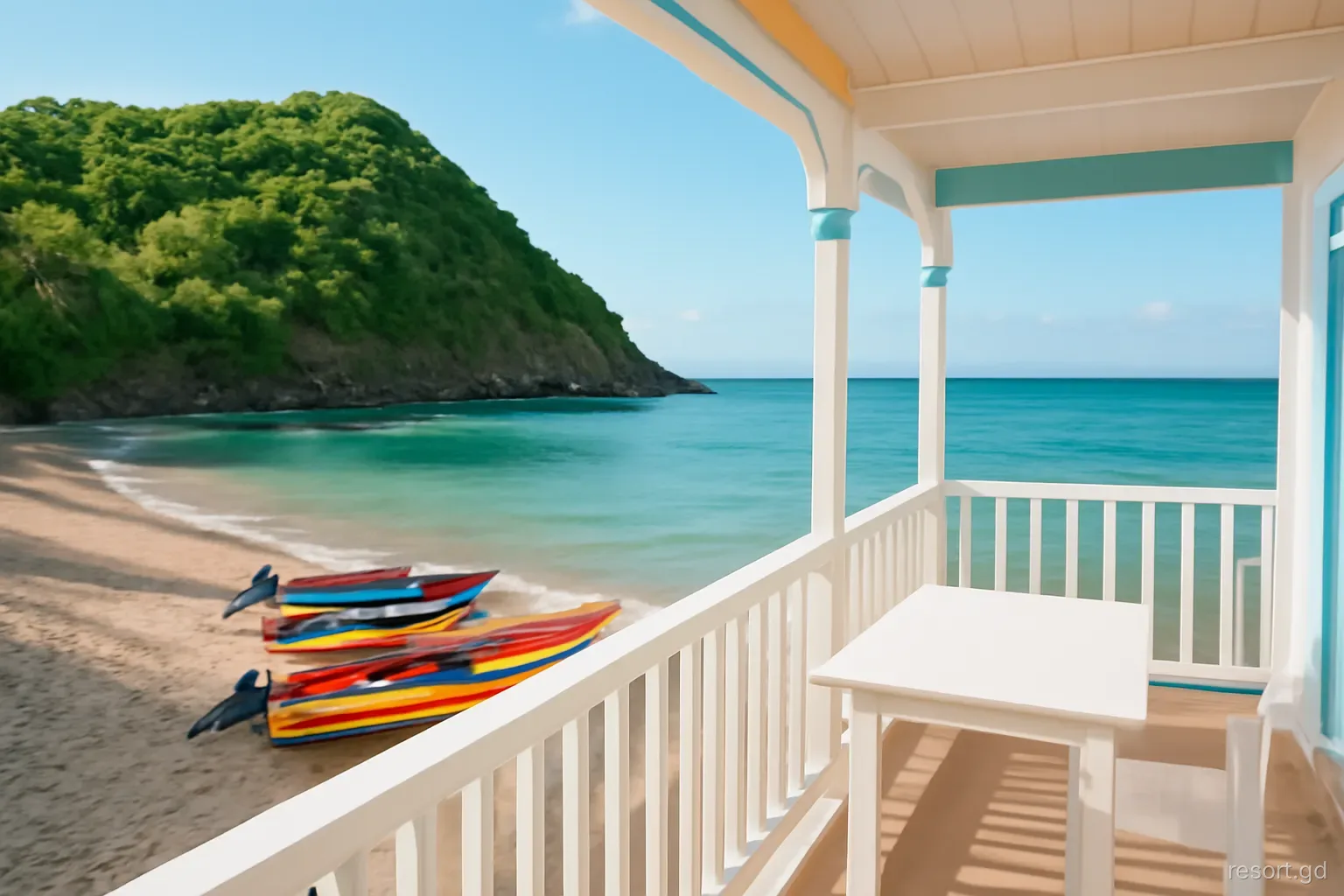

Some visitors arrive on Carriacou for a week and start asking about longer stays before it is over. The island suits slow living: a small community, quiet roads, reefs and beaches within easy reach, and a pace that leaves room to read, walk, swim and talk. Winter visitors from North America and Europe have long come for a month or more, and a growing number of remote workers consider the island as a base.
A long stay is a different proposition from a holiday, though. You need accommodation on monthly terms, a clear arrangement for utilities, a realistic view of internet and health care, an understanding of how long immigration allows you to stay, and the patience to live with an island that runs on its own rhythm. This guide covers each of those, with a frank look at what works and what does not.
Finding a monthly rental
Long-stay accommodation on Carriacou is mostly apartments, cottages and villas let directly by owners, many of whom are Carriacouans living locally or overseas. Some advertise on holiday-rental sites with weekly or monthly discounts; many more are found through word of mouth, local social media groups and hosts you meet on a first visit. Spending a week or two in a guesthouse while looking around is a common and sensible approach.
Monthly rates are usually well below the nightly rate multiplied by thirty, but they vary widely with location, size, season and condition. Winter months from December to April are in highest demand from long-stay visitors, and the best-located places may be booked a year ahead by returning tenants. The summer and autumn months are easier to arrange and often cheaper, but bring heat, humidity and the hurricane season.
Before agreeing, see the property in person or by a recent video call, and agree in writing the rent, deposit, what is included, how long the arrangement runs and how either side can end it. After Beryl, also confirm that the property is fully repaired and that the roof, cistern and windows are sound. Location deserves extra thought on a long stay: a place within walking distance of Hillsborough's shops, or close to a bus route, saves a great deal of money and effort over a month compared with an isolated villa that needs a taxi for every errand.
Utilities and what is included
Electricity. Power on Carriacou is supplied through the national utility, and air conditioning can make bills substantial over a month. Clarify whether electricity is included in the rent, capped or metered and charged separately. Ask about backup power, since outages still occur.
Water. Most properties rely on cisterns, sometimes topped up by piped supply or deliveries. Ask who pays for deliveries if the cistern runs low during the dry season, and how much water the property typically uses.
Gas. Cooking gas comes in bottles. Agree who replaces them and how.
Internet. Ask what connection the property has, its typical speed and whether there is a backup. Digicel and Flow provide mobile and home services on the island; mobile data can serve as a fall-back.
Cleaning and linen. Some long-stay rentals include weekly cleaning and linen changes; others are entirely self-managed. Clarify in advance and agree a rate if you want help.
Maintenance. Find out who handles repairs, from a broken pump to a leaking roof, and how quickly. A responsive local caretaker is one of the most valuable features of a long-stay rental.
Immigration and the length of your stay
Visitors to Grenada, which includes Carriacou and Petite Martinique, are granted a period of stay on arrival by immigration officers. The length depends on nationality, purpose and what the officer allows, and is shown in your passport. Many visitors from North America and Europe receive a stay of several weeks to a few months, but do not assume a specific period.
If you want to stay longer than the time granted, you must apply for an extension through the Immigration Department before your permitted stay expires. Requirements and fees change, so check the current procedure well in advance. Overstaying can lead to fines and difficulties on future visits.
Working while in Grenada is a separate question. Earning money from local employers or clients requires the right permission. Remote work for overseas employers by visitors is a grey area in many countries, and rules evolve, so if you plan to work remotely for an extended period, seek clear advice from the Immigration Department or a licensed professional rather than relying on hearsay.
Health care, insurance and emergencies
Princess Royal Hospital at Belair is Carriacou's hospital, and the government has reported completing its refurbishment after Beryl. There are also health centres and clinics, and pharmacies in Hillsborough. For many routine needs, local care is adequate. For specialist treatment, serious emergencies or complex conditions, patients are often transferred to Grenada's main island, and in some cases further afield.
Comprehensive travel or international health insurance, including medical evacuation, is essential for a long stay. Check that your policy covers the full length of the trip and any pre-existing conditions. Bring a sufficient supply of regular medicines, with prescriptions, since particular brands may not be available on the island.
Dental and optical care are more limited, so a check-up before leaving home is sensible on a long stay. Pack spare glasses or contact lenses, sunglasses, and a fuller first-aid kit than you would for a week, including treatments for coral cuts, insect bites, sunburn and stomach upsets. Ask your landlord or neighbours which clinic and pharmacy they use; local recommendations are the quickest way to find reliable care.
Know the emergency number, 911, and keep a list of local contacts: your landlord or caretaker, a reliable taxi driver, the nearest clinic and a neighbour. In hurricane season, learn your property's storm plan and follow guidance from the National Disaster Management Agency.
Practical realities of island life
Long stays reveal details a short visit never shows. These are the ones that most often surprise newcomers.
- Supplies arrive by boat, so particular items can be out of stock for days or weeks. Many long-stayers make periodic shopping trips to Grenada's main island.
- Banking is limited to a few branches and ATMs in Hillsborough. Keep a cash buffer and more than one card.
- Transport for the day-to-day often means buses, walking, a hired car on monthly terms or a bicycle for the fit; the hills are steep.
- Social life is local and personal. Joining community events, festivals, church fairs or volunteer activities is the easiest way to meet people.
- News travels fast. Courtesy, greetings and patience matter more on a small island than in a city.
- Dry-season water restrictions and occasional power cuts are part of life; plan around them rather than fighting them.
- Customs rules apply to goods you ship to the island, so check before sending anything substantial.
Is a long stay on Carriacou right for you?
A long stay suits people who are comfortable with simplicity and some uncertainty: those who enjoy reading, walking, swimming, snorkelling, writing or slow work, and who like being part of a small community rather than anonymous in a resort. It also suits sailors spending a season in the Grenadines who want a base ashore.
It suits less well those who depend on constant high-speed internet, wide shopping choice, frequent dining out or specialised medical care, or who feel uneasy when plans change because a ferry is cancelled or the power goes off. Carriacou rewards adaptability.
The best way to find out is to try it in stages: a week or two first, then a month, then perhaps a season. Each visit builds relationships with landlords, neighbours and drivers, which in turn makes finding good long-stay accommodation easier. Many long-term Carriacou regulars began exactly that way.
Frequently asked questions
How do you find a monthly rental on Carriacou?
Many long-stay rentals are let directly by owners and found through word of mouth, local social media groups or holiday-rental sites offering monthly discounts. Staying in a guesthouse for a week or two while viewing places is a common approach.
How long can visitors stay in Grenada and Carriacou?
The immigration officer sets the length of stay on arrival, and it is stamped in your passport. To stay longer, apply for an extension through the Immigration Department before it expires. Requirements change, so confirm current rules.
Is the internet good enough for remote work on Carriacou?
Many properties have usable connections for email and video calls, but speeds and reliability vary, and outages occur. Ask landlords for recent speed tests, keep mobile data as a back-up and avoid relying on a single connection for critical work.
What medical care is available on Carriacou?
Princess Royal Hospital at Belair, health centres and pharmacies serve the island. Serious or specialist cases are often transferred to Grenada's main island or further. Comprehensive insurance with medical evacuation is essential for a long stay.
When is the best time for a long stay on Carriacou?
December to April is the most popular period, with drier weather and steady breezes, but long-stay rentals are in high demand then. The summer and autumn months are quieter and often cheaper, but hotter and within the hurricane season.