There is no official eco-lodge licence in Grenada. The Grenada Tourism Authority registers and inspects accommodation, and a few properties hold international sustainability certificates, but the word eco on a website is a description the owner chose, not a standard anyone audited. A thatched gazebo, a few hammocks and a view of the forest are enough for some listings to use it.
That does not mean the genuine article is rare. Grenada has small lodges in the hills of St David, St Andrew and St John, inns beside mangrove and salt-pond systems, and villas on the south coast that run largely on the sun. What separates them from the decorative version is how the place handles water, power, food, waste, staff and the land around it. Those are things you can ask about in a short email, and a well-run property will answer in specifics rather than adjectives. This piece sets out the questions and what good answers sound like.
Why the label is so loose in Grenada
Most small accommodation on the island already does some of what eco-lodges elsewhere advertise. Rainwater catchment has been ordinary practice on Grenada and especially Carriacou for generations, because piped supply from NAWASA, the water authority, can be interrupted in the dry season. Fans and open louvres are traditional, not a sustainability statement. Local fish and ground provisions are simply what is available. A property can therefore describe itself as eco-friendly while doing nothing beyond the island norm.
At the other end, a few places have invested properly: solar arrays sized to carry most of the daytime load, wastewater treatment that keeps effluent away from streams and reefs, native planting instead of imported lawns, and hiring that keeps the money in the nearest village. Some hotels in Grenada have pursued schemes such as Green Globe or Green Key, which involve outside assessment. If a property mentions a certificate, ask which one and when it was last renewed, since certifications lapse.
The useful mindset is to treat eco as a claim to be tested, like sea view or walking distance to the beach. It may be completely true. The point is to find out which kind of true.
Six questions that sort genuine from decorative
Where does your water come from, and what happens to it after? A real answer names the source (roof catchment, cistern, mains, a spring) and describes treatment of grey and black water. Vague replies about caring for nature tell you nothing.
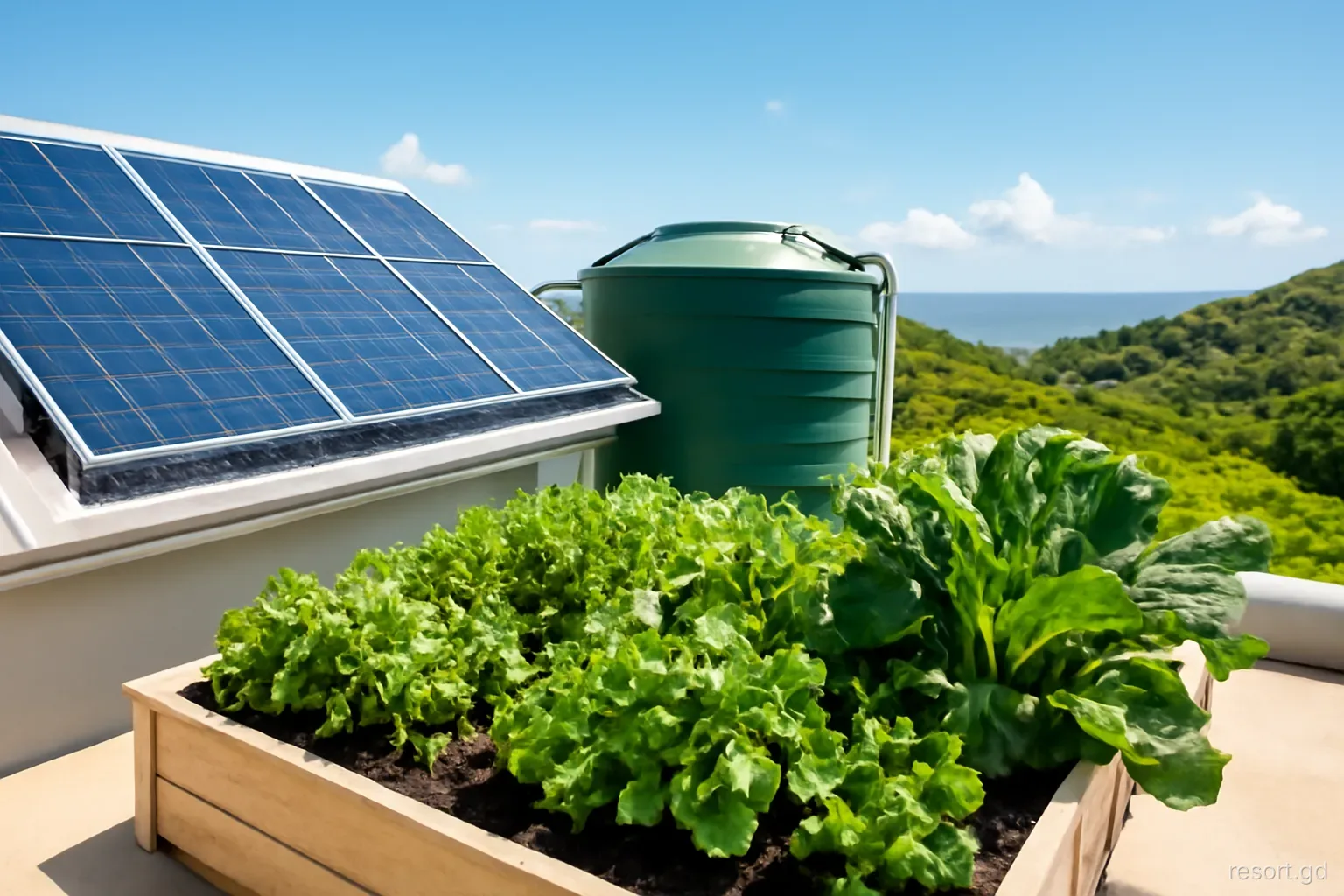
How much of your power is renewable? Owners who have installed solar know the size of their system and what it runs. If the answer is that the roof has a solar water heater, that is useful but modest.
Who works here, and where do they live? Lodges that employ and train people from the surrounding district, and pay for guiding, cooking and maintenance locally, put far more into the economy than those staffed from elsewhere.
What is on the table, and where is it from? Look for named sources: a nearby farmer, the Friday fish at Gouyave, cocoa from a St Patrick estate. Imported breakfast cereals and packaged juice are a small but telling sign.
What did you leave standing when you built? Hillside lodges that kept mature trees, built on stilts or terraces and avoided clearing whole slopes tend to be cooler, quieter and better for birds.
How do you handle waste? Grenada bans Styrofoam food containers and single-use plastic bags. A serious property goes further: refill stations, composting, and a plan for glass and cans rather than burning them.
Reading the photographs and reviews
Listings tell you a lot by what they choose to photograph. A genuine nature lodge usually shows paths through planted or kept forest, a kitchen garden, the view from a veranda with trees in the foreground and perhaps a rain tank painted to blend in. A property that shows mostly the swimming pool, the bar and a big flat lawn may be pleasant, but its selling point is not nature.
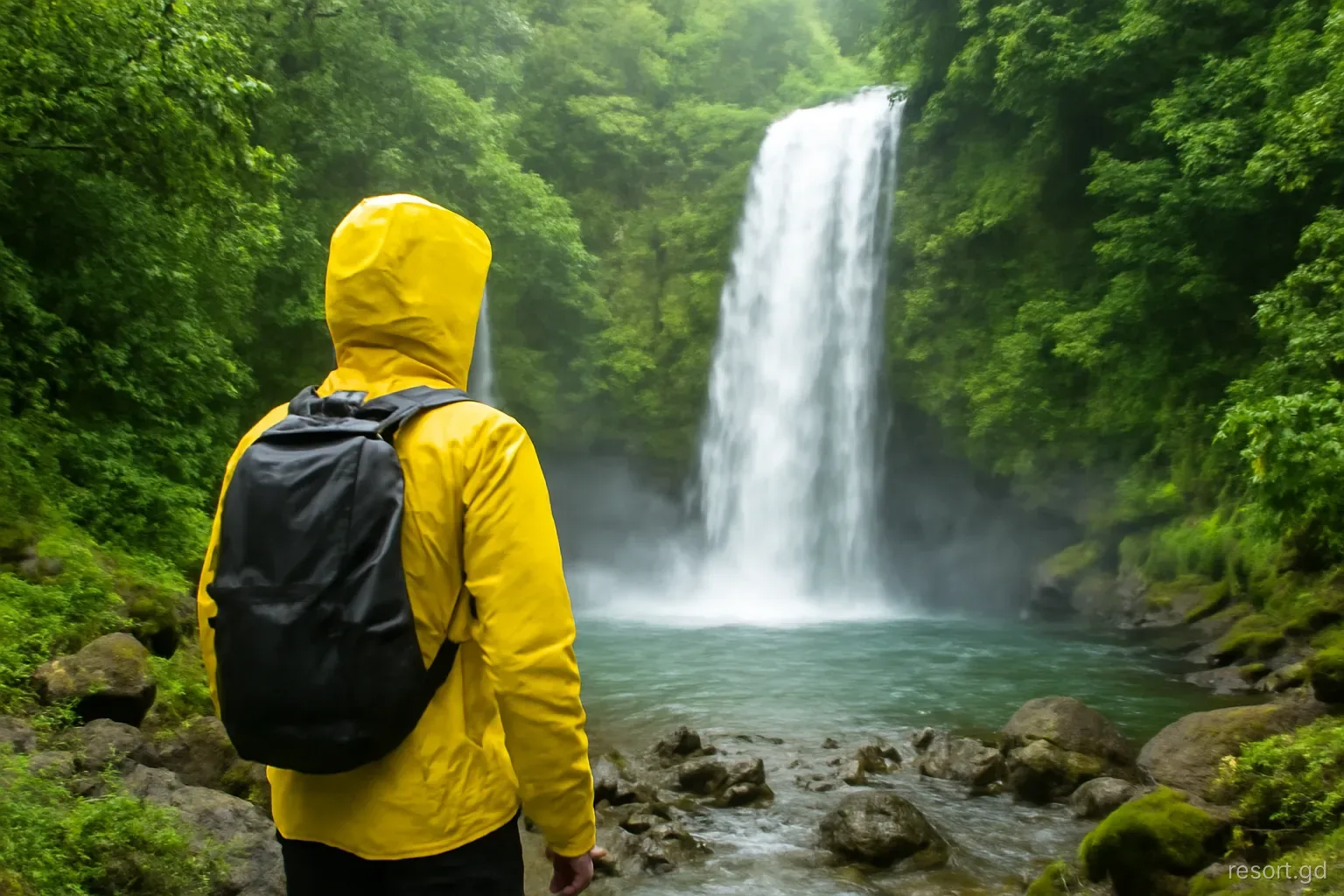
Guest reviews fill in the rest. Search them for words like generator, water pressure, mosquitoes, birds, hike and garden. Repeated mentions of a generator running all evening, or of bottled water being the only drinking option, suggest the systems are not as described. Repeated mentions of a host who identified birds at breakfast, walked guests to a waterfall or explained the cocoa trees on the property suggest the opposite.
Be fair about the trade-offs too. A lodge that relies on solar may ask guests to use air conditioning sparingly or not at all, and reviewers sometimes mark that down. Reading past the complaint to the reason is part of judging the place properly.
Warning signs worth taking seriously
None of these alone disqualifies a property, but several together suggest the eco label is doing more work than the operation behind it.
- Eco appears in the name but the description lists only resort amenities: pool bar, swim-up suites, daily entertainment.
- No mention anywhere of who owns or runs the place, and enquiries are answered by a booking agent overseas.
- Turtle-watching, dolphin swims or monkey feeding offered as an add-on with no mention of a licensed guide or rules. Feeding the mona monkeys at Grand Etang, for example, is discouraged because it changes their behaviour.
- Construction photographs showing a cleared hillside, or a new access road cut straight down a slope with no drainage.
- Claims of being off-grid paired with reviews describing a diesel generator as the main power source.
- Beach access advertised as private. Beaches in Grenada are public, so a property that implies otherwise is overselling something it does not control.
What sustainability does and does not cost you
Guests sometimes assume a genuine eco stay must be either spartan or expensive. In Grenada it is usually neither. A well-designed hillside lodge uses cross-ventilation, deep verandas and shade trees to stay comfortable without much air conditioning, and solar water heating has been common on the island for years. The trade-offs are smaller than people expect: a request to keep showers short in a dry spell, laundry done on a set day rather than on demand, perhaps air conditioning available only at night.
Where costs do rise is in remote locations, where supplies travel further and staff need transport, and in properties that have paid for proper wastewater treatment or large battery systems. A modest premium over a comparable town guesthouse is reasonable for that. A large premium justified only by the word eco is not. Compare the nightly rate with what is actually included, such as breakfast made from local produce, guided walks on the property or transfers, before deciding whether the price is fair. Rates vary with the season, so confirm them directly with the property.
What a good nature stay gives back
Choosing well is not only about avoiding disappointment. Rural parishes such as St Andrew, St David and St Patrick receive far fewer visitors than the south-west around Grand Anse, and a lodge there that buys from local farmers and employs local guides moves money into communities that tourism usually bypasses. That is one of the strongest arguments for staying in the hills or the north for at least part of a trip.
The best properties also act as an introduction to the island beyond the beach. Hosts who know the trails above their land, the names of the trees, which waterfall is safe after rain and which village has a fish fry on a given night make the stay richer than any amenity list. When you ask the questions above, notice how much the person answering seems to know and care about the place around them. That instinct is usually more reliable than any badge.
Finally, remember that your behaviour counts as much as the lodge's. Short showers, switching off fans when you leave and carrying litter out from trails cost nothing and matter more on an island where water and power are stretched.
Frequently asked questions
Is there an official eco-lodge certification in Grenada?
No national eco-lodge category exists. The Grenada Tourism Authority licenses accommodation generally, and some hotels hold international schemes such as Green Globe or Green Key. Ask a property which scheme it holds and when it was last assessed, because certificates have to be renewed.
Are eco-lodges in Grenada more expensive than hotels?
Not necessarily. Small rural lodges can be cheaper than beachfront hotels in the south-west, while a few solar-powered luxury villas sit at the top of the market. Expect a wide range, and confirm current rates and seasonal minimum stays directly with the property.
Do eco-lodges in Grenada have air conditioning?
Some do and some rely on ceiling fans, louvres and breezes from the hills. Lodges running on solar may limit air conditioning to certain hours or rooms. If you sleep badly in heat, ask before booking rather than assuming.
Is the tap water safe at rural lodges?
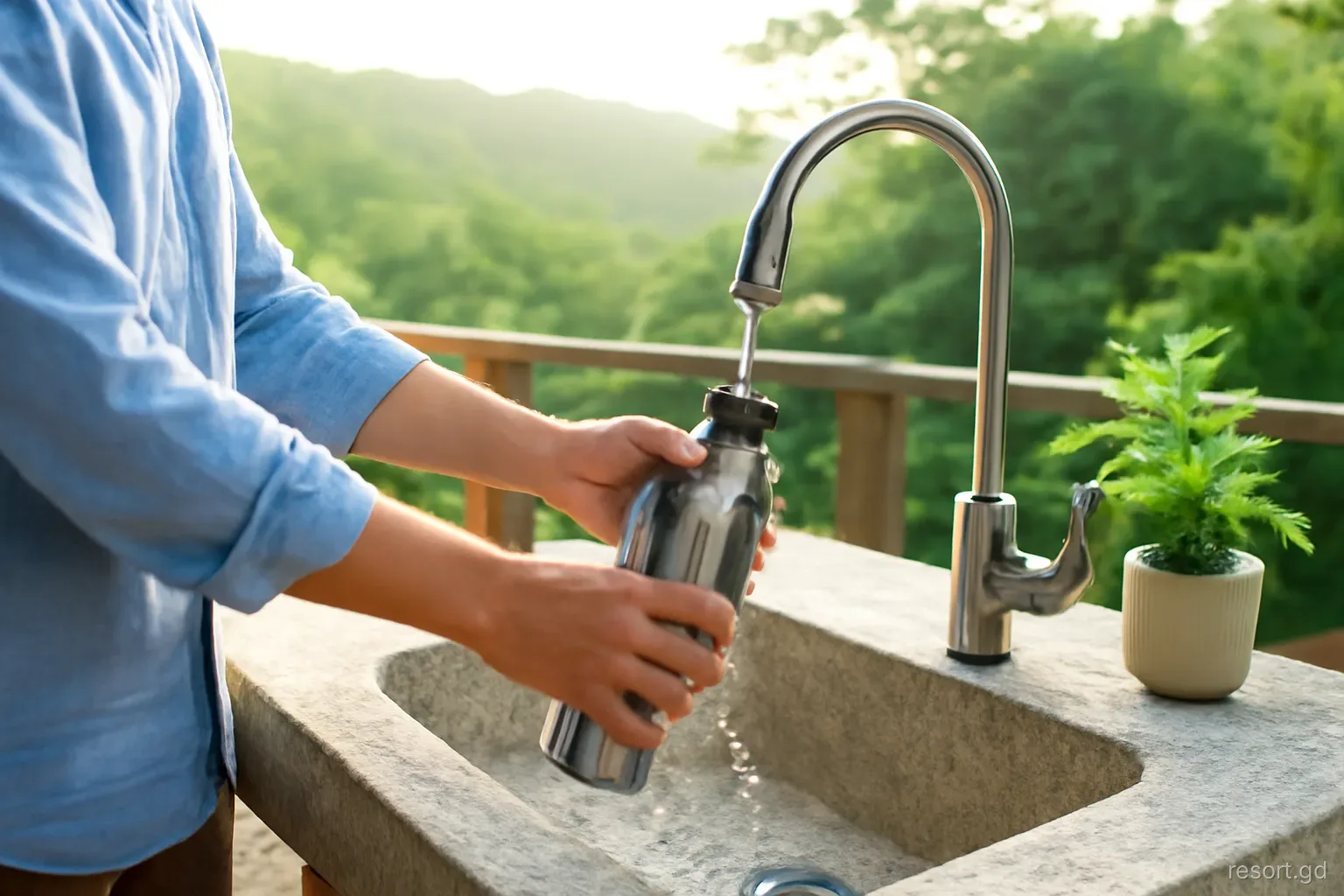
Many properties use rainwater from cisterns, which may or may not be filtered and treated. Ask whether the drinking water is filtered or whether they provide a refill station. Bringing a reusable bottle saves buying plastic bottles throughout the stay.
Can a beachfront hotel also be an eco stay?
Yes, if it manages water, energy, waste and its effect on the beach and reef responsibly. The setting does not decide the question; the systems behind the scenes do. Use the same questions you would ask a hillside lodge.