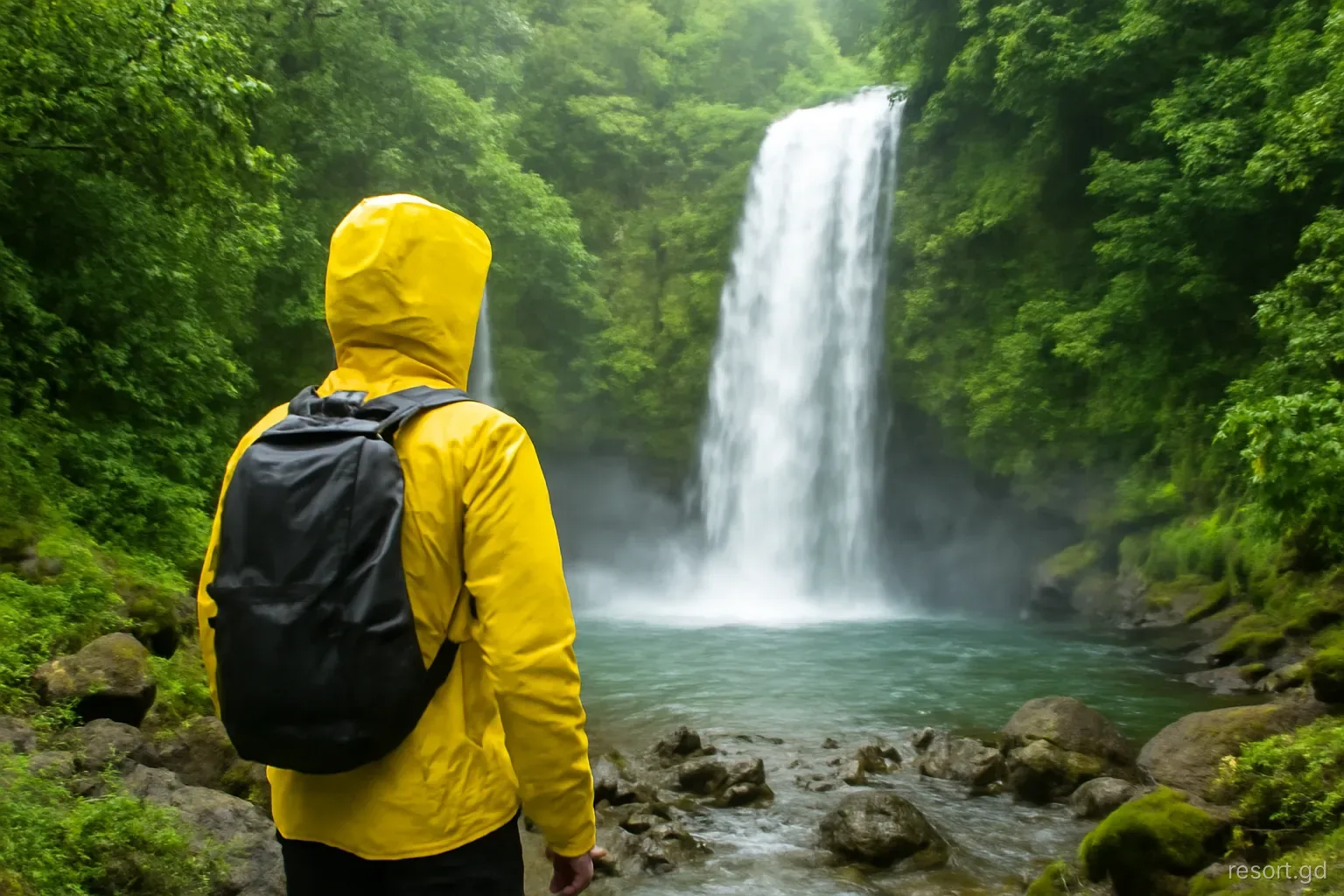
Grenada packs a surprising amount of walking into a small island. Within an hour of most lodges you can reach a crater lake in cloud forest, ridge trails with views to both coasts, waterfalls ranging from a roadside cascade to a pool reached only by wading upstream, and old estates where cocoa and nutmeg grow under tall shade trees. The challenge is not finding enough to do in a week, but pacing it so that heat, humidity and steep, muddy trails do not wear you out by day three.
This plan assumes a base in the hills of St David, on the slopes around Grand Etang, or in St Andrew, with a car or a driver for some days. It mixes harder walks with easy ones and builds in rest. Treat it as a framework: trail conditions change with the weather, and the best decision on any given day is the one your guide or host recommends.
Before you start: guides, fitness and timing
Grenada's trails range from short, well-trodden paths to routes through dense forest that are poorly marked, slippery and easy to lose. For anything beyond the shortest walks, hire an experienced local guide. Guides know which trails are passable after rain, where paths fork, and much about the plants, birds and history along the way. Your lodge or the Grand Etang visitor centre can usually point you to reputable guides. Agree the price, duration and what is included in advance.
Start walks early. By late morning heat and humidity build, and afternoon showers are common in the interior, particularly in the wetter months. A 7 am start is not unusual for longer hikes. Carry more water than you think you need, a snack, a light rain layer, repellent and sun protection, and wear shoes with good grip; trainers with deep tread often outperform heavy boots in mud.
Small entry fees apply at several waterfalls and at the Grand Etang area, often collected by local site attendants. Carry EC dollars in small notes.
Days one and two: easing in
Day one: settle and walk locally. After arrival, keep the first day light. Walk the paths around the lodge, ask your host about the trees and birds on the property, and visit a nearby beach or village. If you are staying in St David, the bay and mangrove walks around La Sagesse make a gentle introduction.
Day two morning: Grand Etang shoreline. Drive or take the bus up to Grand Etang and walk the shoreline trail around the crater lake, which gives an easy taste of the cloud forest. Look and listen for mona monkeys and hummingbirds near the visitor centre area. Do not feed the monkeys.
Day two afternoon: Annandale Falls. On the way back towards St George's, stop at Annandale Falls, a short walk from the road through planted gardens. It is easy and busy when cruise ships are in, so late afternoon can be quieter.
Why start gently. The first two days let you adjust to heat and humidity, test your footwear and get a feel for the roads before tackling steep, muddy trails.
Days three and four: the interior trails
Day three is the right moment for a proper interior hike with a guide. The trail from Grand Etang to Mount Qua Qua follows a ridge to a summit with views over the forest towards both coasts on a clear morning. It is muddy and steep in sections, and the round trip usually takes a few hours depending on conditions and fitness. More demanding options continue along ridges towards Concord or Fedon's Camp, the hilltop site linked to Julien Fédon's rebellion of 1795 to 1796. These longer routes need a guide and good weather.
On day four, rest your legs with a waterfall that involves a moderate walk. Seven Sisters Falls lies in the forest east of the Grand Etang road, reached by a trail of roughly 30 to 45 minutes each way through private land, where a fee is collected. The path is often muddy, and a guide or local attendant can show the way. Keen walkers sometimes combine it with the upper falls, but only with a guide.
Allow time to swim in the pools, and take care on slippery rocks. Never jump into pools without checking depth, and avoid waterfalls after heavy rain, when levels can rise suddenly.
Days five and six: west and north
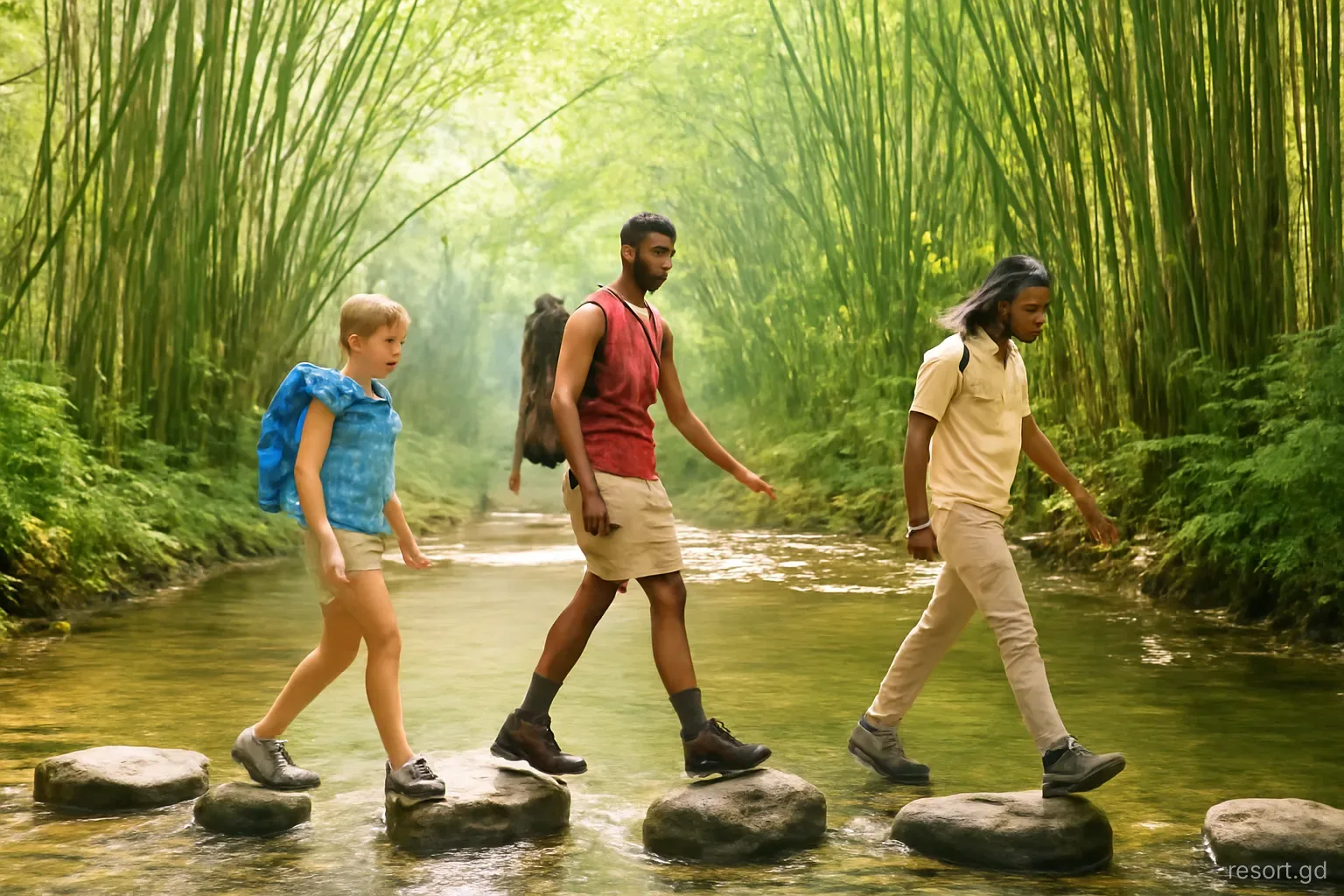
Day five heads to the west coast. Concord Falls, inland from the fishing village of Concord in St John, has a lower fall close to the road and upper falls reached by a longer trail, including one often called Fountainbleu, which involves river crossings and is best done with a guide. Combine the walk with a visit to the nutmeg processing station in Gouyave and, if it is a Friday, stay for the fish fry in the evening, booking a driver back if your lodge is far away.
Day six is lighter on walking and heavier on culture. Drive north into St Patrick to visit Belmont Estate for cocoa, a tour of the grounds and lunch, then River Antoine for its water-wheel-powered rum distillery, and on to Lake Antoine, a shallow crater lake that is an easy walk around part of its rim and good for waterbirds. Finish at Bathway Beach, where the natural rock reef creates a sheltered stretch of water.
These days involve more driving, so confirm opening days for estates and distilleries in advance and leave early to avoid rushing. If you have a driver, ask them to suggest a lunch stop and a roadside fruit stall on the way; local drivers usually know where the best cocoa tea, oil down or fresh coconut water can be found on a given day, and those unplanned stops are often the moments guests remember. Without a driver, check bus connections carefully, because getting from St John to St Patrick by route bus can mean a change and a long wait.
Day seven, and alternatives for wet weather
Keep the final day flexible. Use it to repeat a favourite, catch up on anything rained off, or simply rest. If the weather turns, these options keep the week on track.
- Visit a spice garden or estate where the walk is short and much of the visit is under cover.
- Take a cooking session at your lodge, if offered, using local produce such as callaloo, breadfruit and cocoa.
- Explore St George's on foot: Fort George, the Carenage, the market square and the National Museum, depending on opening times.
- Book a guided birdwatching walk in a dry-forest area in the south-west, where conditions are often drier than in the interior and the endemic Grenada Dove survives.
- Choose a short, well-used trail rather than a remote one if rain has been heavy, and let a guide decide.
- Spend the day on the drier south coast and return to the hills for dinner.
Pitfalls and safety on Grenada's trails
The most common problems on Grenada hikes are avoidable. Visitors underestimate how slippery clay and moss become, set off too late and hike through the hottest hours, or attempt longer trails without a guide and lose the path. Others plan two big hikes on consecutive days and find the second miserable.
Weather is the biggest variable. After heavy rain, rivers can rise quickly and paths become dangerous; a guide who cancels or shortens a hike is protecting you, not losing interest. Phone coverage is patchy in the interior, so tell your host where you are going and when you expect to return. Emergency services can be reached on 911, but help may take time to reach a remote trail.
Finally, respect the land. Many trails cross private farms and estates, so stay on paths, do not pick fruit or cocoa pods, and take all rubbish with you. Small courtesies keep access open for the next visitors.
Frequently asked questions
Is a guide needed for hiking in Grenada?
For short, well-used trails such as the Grand Etang shoreline or Annandale Falls, many visitors walk independently. For Mount Qua Qua, Concord's upper falls, Seven Sisters and longer interior routes, a local guide is strongly recommended for safety and navigation.
What is the best month for hiking in Grenada?
The dry season, roughly January to May, offers firmer trails and fewer showers, though waterfalls are lower by April and May. The wetter months bring fuller falls but muddier, more slippery paths and a higher chance of closures after storms.
How hard is the Mount Qua Qua hike?
It is a moderate to challenging walk for reasonably fit hikers, with steep, often muddy sections and a ridge-top finish. Allow several hours for the round trip, start early, wear shoes with good grip and go with a guide.
Are there entry fees at Grenada's waterfalls?
Several sites, including Annandale, Seven Sisters and Concord, have collected small entry fees, and the Grand Etang area has its own visitor charge. Amounts change, so carry small EC dollar notes and confirm on arrival.
Can you swim at Grenada's waterfalls?
Many falls have pools suitable for a dip, such as Concord and Seven Sisters. Check depth before entering, avoid jumping, take care on slippery rocks and stay out after heavy rain, when water can rise quickly.
Which lodge base is best for hiking?
A base on the slopes around Grand Etang or in the hills of St David or St Andrew puts the main interior trails within a short drive. St John suits those focusing on Concord and the west coast.