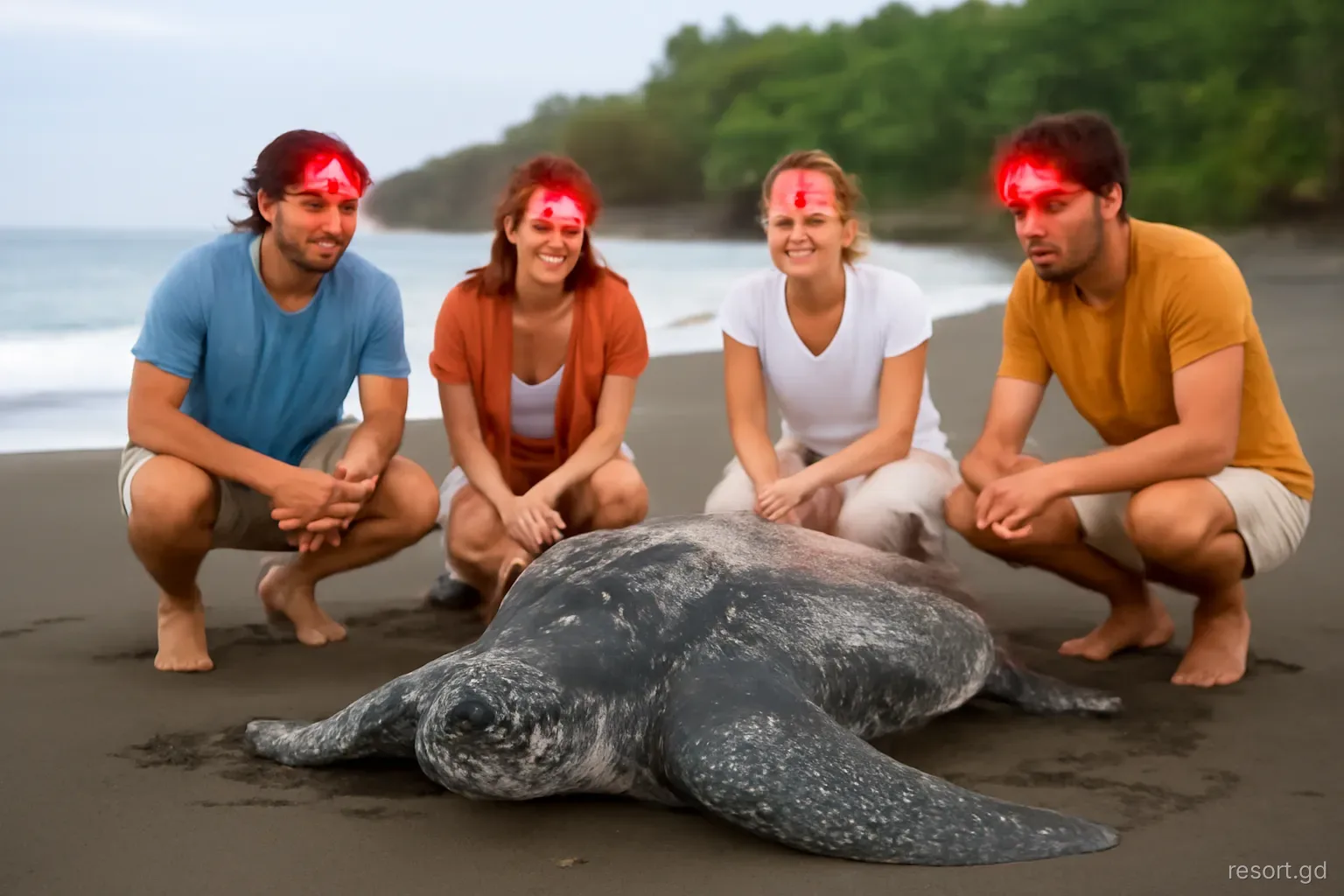
Every year female leatherback turtles, the largest living turtles, haul themselves out of the Atlantic onto beaches at the northern tip of Grenada to dig nests and lay their eggs. Levera, within Levera National Park in St Patrick, is the best-known site, and other beaches along the north and north-east coast also receive nesting turtles. Watching one is a memorable night, and it is one of the few wildlife experiences in Grenada that makes a strong case for sleeping in the far north.
It also requires some planning. Nesting happens late at night, the beaches are remote, the season is limited, and the welfare of the animals depends on visitors following clear rules. This piece covers when to go, how guided watches work, where to base yourself and what to expect from accommodation in a part of the island with very few hotels.
When the turtles come
Leatherbacks nest in Grenada during roughly the first half of the year, with activity generally building from around March, peaking in the spring and tailing off by the late summer. Hatchlings emerge about two months after the eggs are laid, so the later part of the season offers the chance to see young turtles making their way to the sea. Hawksbill and green turtles also nest on Grenadian beaches, often at different times, and in smaller numbers on these northern beaches.
Exact patterns vary from year to year, and a single night offers no guarantee of a sighting. Turtles may come ashore at any hour of darkness, and on some nights none come at all. Allowing two or three nights in the area, and being flexible about which night you join a watch, improves your chances considerably.
The Grenada Tourism Authority and local conservation groups usually publicise the season and how to join organised watches. Check with them, or with your accommodation, for the current year's arrangements before you fix dates.
How guided turtle watching works
Turtle watching at Levera has long been organised in partnership with conservation groups, notably Ocean Spirits, a Grenadian non-profit that has monitored nesting beaches and run community education for many years, and with local guides from nearby communities. Visitors join small groups led by trained guides who know how to approach a nesting turtle without disturbing her. Arrangements, booking and any fees can change from season to season, so confirm the current process before you go.
A typical evening involves meeting at an agreed point after dark, a briefing on the rules, and then waiting, sometimes for hours, while patrollers walk the beach. When a turtle is found and has begun laying, the group is brought close in a controlled way. You may see her digging, laying, covering the nest and returning to the sea, a process that can take an hour or more.
Bring patience, water, a snack, insect repellent and a light layer, as beaches can be breezy at night. Dress in dark clothing. Children are often welcome but must be able to stay quiet and still for long periods.
Rules that protect the turtles
These rules exist because nesting females are easily disturbed, and a disturbed turtle may return to the sea without laying. Guides enforce them firmly.
- No white lights or flash photography on the beach. Guides use dim red lights; follow their lead and keep phone screens off.
- Stay behind the turtle and keep the distance the guide sets. Never stand in front of her or in her path to the sea.
- Do not touch the turtle, the eggs or the hatchlings, and never pick up a hatchling to help it towards the water.
- Avoid walking on known nesting areas of the upper beach in daylight, where nests may be buried.
- Do not visit nesting beaches at night without a guide during the season.
- Keep noise to a minimum and follow instructions immediately if asked to move back.
- At your accommodation, close curtains on beach-facing rooms at night. Artificial light disorients hatchlings, which head for the brightest horizon.
Where to stay in St Patrick
Accommodation in the north is small-scale and limited. Expect a handful of small hotels and inns around Sauteurs and along the coast, some self-catering cottages and villas, and rooms in guesthouses. There are no large resorts, and some properties have only a few rooms, so during the turtle season, and especially around Easter, it is wise to book well ahead.
Staying close to Levera means a short drive after a late night on the beach rather than a long journey back to the south coast in the early hours. That alone is a good reason to spend at least two nights in the area. Sauteurs, the main town, has basic shops, a bank and places to eat, though choice is modest and many places close early.
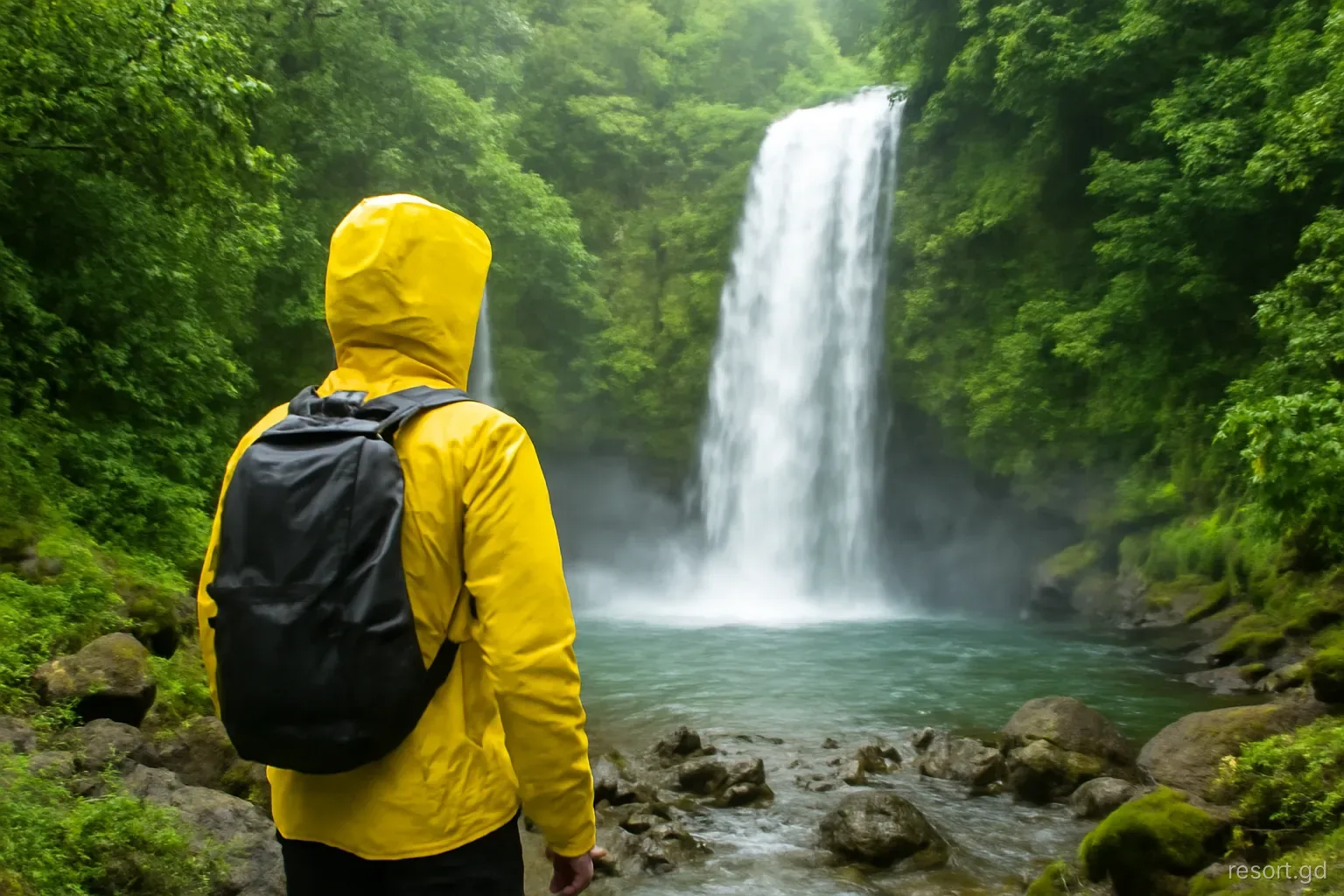
The area rewards a longer stay. By day there is Bathway Beach, with its sheltered pool behind a natural rock reef, the Levera pond and mangroves for birdwatching, Belmont Estate for cocoa and lunch, the water-powered River Antoine rum distillery and the clifftop at Leapers' Hill in Sauteurs. Ask your host which of these are open on the days you plan to visit.
Planning a turtle trip step by step
A few decisions made early make the difference between a frustrating night and a rewarding one.
- Confirm the season and how watches are organised this year, through the Grenada Tourism Authority, a conservation group or your accommodation.
- Choose accommodation in St Patrick for at least two nights, ideally three, so you can try more than one evening.
- Arrange transport. You will be driving on dark rural roads late at night, so a confident driver, a hired car with a local permit, or a pre-booked taxi is needed.
- Rest in the afternoon. Watches can run past midnight, and the waiting is part of it.
- Pack dark clothes, repellent, water, a snack and a red-light torch if the guides allow it.
- Leave cameras in the bag unless your guide says photography without flash is acceptable at a particular moment.
- Consider supporting the conservation work through a donation or by buying from the community groups involved, which helps fund beach patrols.
Combining the north with the rest of the island
A turtle trip need not take over the whole holiday. Many visitors spend the first part of the stay near the south coast, move to St Patrick for two or three nights in the nesting season, then return south or fly out. Grenada's size makes this easy: the move takes a morning, and the drive itself, whether via the Grenville side or along the west coast through Gouyave and Victoria, is part of the experience.
The west coast route passes Concord Falls inland of the road, the Gouyave nutmeg station and fishing villages, and is the more scenic choice by day. The eastern route through Grenville is often quicker from the airport and passes farming country, the old Pearls airstrip and the turn-offs to Lake Antoine. Choosing one route on the way up and the other on the way back covers much of the island without extra effort. Avoid planning the move for the day after a late turtle watch; give yourself a slow morning before driving anywhere.
Pitfalls to avoid
The most common mistake is trying to see turtles as a day trip from the Grand Anse area. Driving north after dinner, waiting on a beach until the early hours and then driving an hour or more back is tiring and not particularly safe on unlit roads. Another is booking a single night and leaving no margin for a night when no turtles appear.
A third is joining an unofficial operator or simply going to the beach alone with a torch. This puts turtles at risk and can lead to disappointment, since you do not know where patrols are or which sections of beach are active. Stick with the recognised guiding arrangements.
Finally, remember that the Atlantic beaches of the north are generally not safe for casual swimming because of strong currents and surf. Turtles are adapted to them; most people are not. Swim only at sheltered spots your host recommends, and never at night.
Frequently asked questions
When is the best time to see leatherback turtles in Grenada?
Nesting generally runs through roughly the first half of the year, building from about March and peaking in the spring, with hatchlings appearing later. Patterns vary annually, so confirm the current season with the Grenada Tourism Authority or local conservation groups before booking.
Is a turtle sighting guaranteed?
No. Turtles come ashore on their own schedule, and some nights none appear. Staying two or three nights near Levera and being flexible about which night you join a guided watch gives you a much better chance.
Can you take photos of nesting turtles?
Flash and white light are not allowed because they disturb nesting females and disorient hatchlings. Some guides may permit limited photos without flash at certain stages. Always ask the guide and follow their instructions.
Is it suitable for children?
Often, yes, if they can stay quiet and still for long periods, sometimes late into the night. Guides set the rules for each group, so check age guidance when you book and plan for an afternoon rest beforehand.
Are there hotels close to Levera?
Accommodation in St Patrick is limited to small hotels, inns, guesthouses and villas, mostly around Sauteurs and the north coast. There are no large resorts, so book early for the nesting season and around Easter.