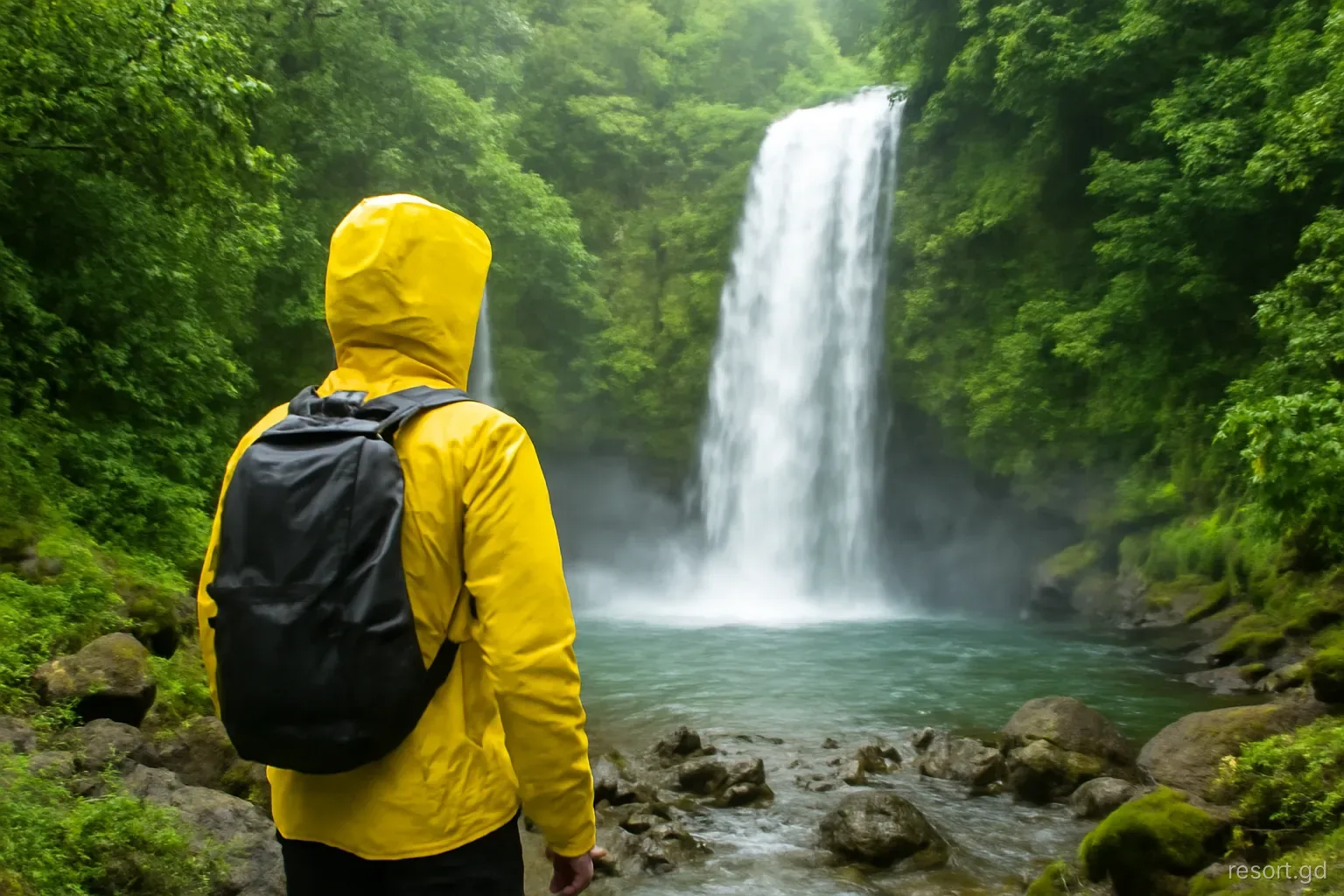
Grenada's rainy season, broadly June to November and stretching into December, is also its hurricane season and its quietest time for tourism. Many visitors avoid it entirely. For a nature-focused trip, that is not always the right call: the forest is at its most vivid, waterfalls run full, the island is uncrowded, and lodge rates are generally lower than in the winter peak.
The trade-offs are real too. Rain is heavier and more frequent in the hills than on the coast, trails get muddy, some small properties close for a few weeks, and a tropical storm can disrupt plans with little notice. This piece explains how the wet months actually behave in Grenada's hills, which parts of the season suit which travellers, and how to plan a green-season lodge stay so that the weather adds to the experience rather than spoiling it.
How the wet season really behaves
Rain in Grenada rarely means grey days of steady drizzle. More typically, mornings are bright, clouds build over the central mountains around midday, and heavy showers fall in the afternoon or evening before clearing. On the coast a shower may last twenty minutes; on the ridges around Grand Etang it can last longer and return several times a day. Overnight rain on a galvanised roof is common.
The season builds gradually. June and July often bring a mix of sunny spells and short showers, with July a busy month locally because of the run-up to Carnival, known as Spicemas, in August. August through October are generally the wettest and most humid months, and the period when tropical storms are most likely. November often remains showery, and December is a transition into the dry season.
Sea conditions on the Caribbean side are often at their calmest in the wet months, when the winter trade-wind swell eases, which suits snorkelling and boat trips on clear days. The flip side is the occasional spell of unsettled weather from a passing tropical wave, which can bring a day or two of heavier, more persistent rain across the whole island. Forecasts give a few days of warning, and a good host will suggest swapping a hike for a cooking session or an estate visit when one is approaching.
Temperatures change little through the year at sea level, with daytime highs typically around 30 °C. Humidity is the bigger difference, and in the hills the air can feel saturated. On the other hand, cloud cover and rain can make the interior noticeably cooler and more comfortable than the coast on a still afternoon.
What the rain gives you
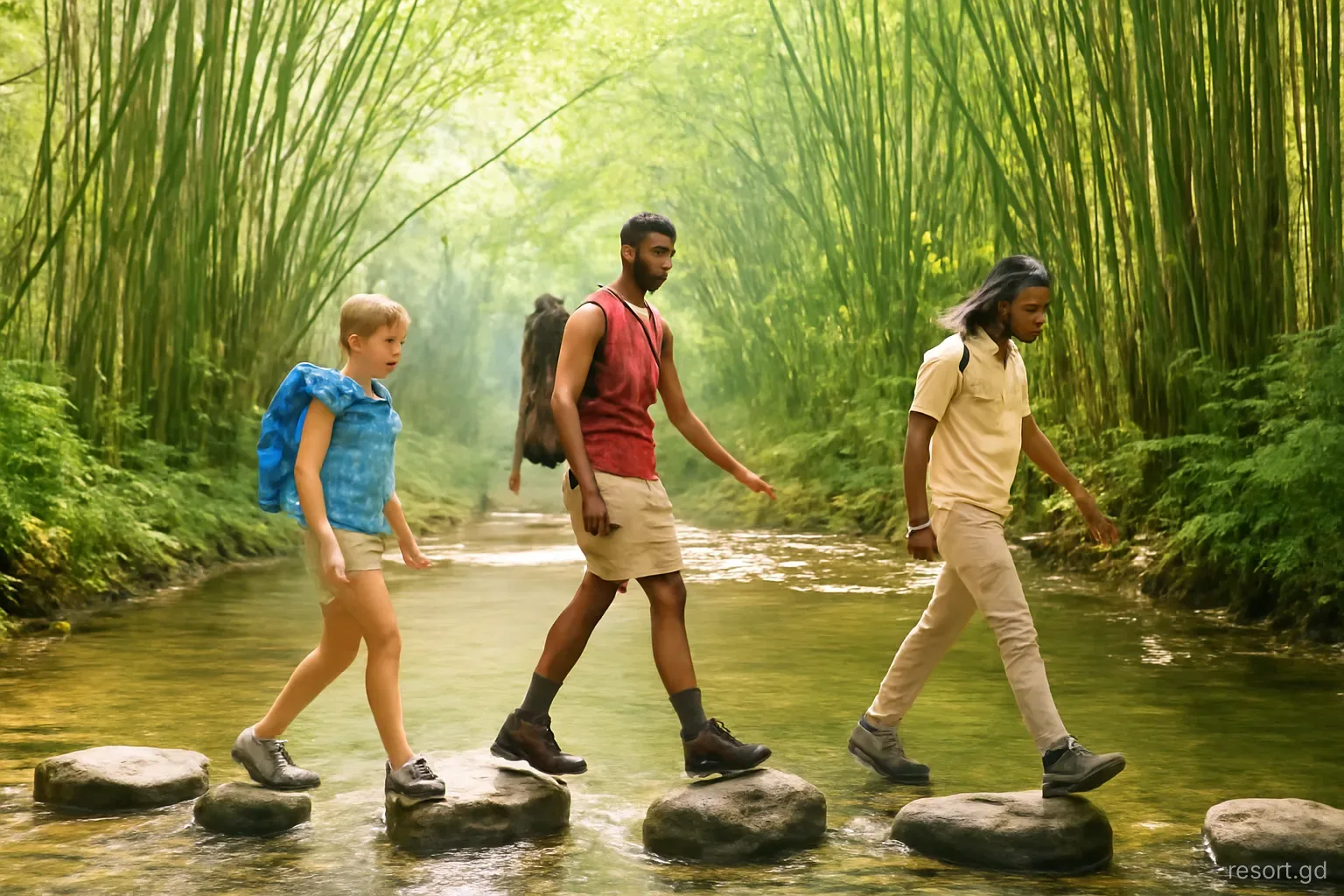
Waterfalls at full strength. Concord Falls in St John, Annandale near the Grand Etang road, Seven Sisters inside the forest and Royal Mount Carmel near Marquis all carry far more water in the wet months than in April or May, when some are reduced to a trickle.
A greener forest. New growth, flowering trees and fungi appear, and the interior is at its most intensely green. Photographers often prefer the soft light of overcast days.
Fewer people. Popular trails and falls that see tour groups in the winter season can be nearly empty on a weekday in September or October.
Better rates. Many lodges and hotels charge lower rates in the green season than in the December to April peak, and minimum stays are often relaxed. Rates vary widely, so compare and confirm directly.
Local life at its fullest. The summer months bring Carnival in August, Fisherman's Birthday celebrations around the end of June in Gouyave, and other community events, which add colour to a stay in the countryside.
What the rain costs you
Trails become slippery and some become unsafe. Steep routes in the interior, such as the climb to Mount Qua Qua or longer hikes towards Fedon's Camp and Mount St Catherine, are much harder in mud and should only be attempted with an experienced local guide, who will judge conditions on the day. River crossings that are ankle-deep in the dry season can rise quickly after heavy rain upstream, and flash flooding is a real hazard in gorges and at the base of waterfalls.
Roads in the hills can be affected by landslips and fallen trees after intense rain, and side tracks to rural lodges may become difficult for small cars. Mosquitoes are more numerous. Laundry takes longer to dry and humidity affects anything left damp.
Some small lodges and guesthouses close for part of September or October for maintenance and staff holidays, and restaurants in rural areas may keep shorter hours. Check that the property, and any restaurants you plan to rely on nearby, will be open during your dates. A lodge that seems to have perfect availability in late September may simply be closed.
Hurricanes and tropical storms: realistic planning
Grenada sits near the southern edge of the Atlantic hurricane belt, and for decades it was considered relatively safe. Hurricane Ivan in 2004 and Hurricane Beryl, which devastated Carriacou and Petite Martinique in July 2024, showed that major storms can and do strike. Most green-season trips pass without any storm, but planning should assume one is possible.
Buy travel insurance that covers trip interruption and cancellation for named storms, and buy it at the time of booking rather than once a storm has formed, when cover may be excluded. Choose flights and accommodation with flexible change terms where possible. Ask the lodge about its storm plan: where guests shelter, whether it has backup power and water, and how it communicates with guests.
If a storm is forecast, follow advice from the National Disaster Management Agency and the Grenada Meteorological Service, and from the property. A remote hillside lodge may be safe from storm surge but exposed to wind, landslips and isolation if roads are blocked. Moving closer to St George's ahead of a serious storm can be sensible, and a good host will help you decide.
Planning a green-season lodge stay
These steps help you get the benefits of the wet months while limiting the risks.
- Pick your month. June and early July usually offer the best balance of green landscapes and manageable rain; September and October are the wettest and carry the highest storm risk.
- Confirm the lodge is open on your dates and ask what, if anything, is reduced, such as meals, tours or staff.
- Buy travel insurance with named-storm cover at the time of booking.
- Book flexible flights where you can, and avoid tight connections on the way home.
- Plan hikes for the morning, when rain is less likely, and keep afternoons for estate visits, cooking, reading or a covered veranda.
- Book an experienced local guide for any interior hike, and accept their decision if they postpone because of conditions.
- Pack quick-dry clothing, a light rain jacket, repellent and a dry bag for electronics.
- Keep a day or two of slack in the itinerary so a wet day does not wipe out a key activity.
Who the rainy season suits, and who it does not
The green season suits travellers who want forest, waterfalls and quiet, who are flexible about day-to-day plans, and who see a tropical downpour from a veranda as part of the experience. It suits walkers who are willing to hike with a guide and adjust, photographers, and anyone looking for lower rates and uncrowded trails.
It suits less well those with fixed, once-only plans such as a wedding or a big anniversary trip that cannot move, people whose main aim is long sunny beach days, and anyone very uncomfortable with the possibility of a storm. Families with young children may find the combination of heat, humidity, mosquitoes and rain wearing, although June and early July can work well.
A useful compromise is to split the stay: a few nights in a hillside lodge for the forest, then the rest near the drier south-west coast, where the weather is often brighter and the sea calmer. That way a wet spell in the hills becomes a story rather than a lost holiday.
Frequently asked questions
Does it rain all day in Grenada's rainy season?
Rarely. Most days have bright mornings and showers in the afternoon or evening, often heavy but short. The interior and hills get more rain than the coast, and August to October tend to be the wettest months.
Is September a bad time to stay at a Grenada nature lodge?
It is one of the wettest months and falls in the peak of hurricane season, and some small properties close for part of it. Travellers who choose it get very quiet trails and full waterfalls, but should confirm the lodge is open and buy storm insurance.
Are waterfalls safe to visit after heavy rain?
Not always. Water levels can rise quickly, rocks become slippery and flash floods can occur in gorges. Visit with a local guide or ask your host about conditions, and leave immediately if the water turns brown or rises.
Are lodge prices lower in the green season?
Generally, yes. Many lodges and hotels charge less between about June and November than in the December to April peak, and may relax minimum stays. Rates differ by property, so compare and confirm directly.
How likely is a hurricane to hit Grenada?
In any given year a direct hit is unlikely, but it does happen, as Ivan in 2004 and Beryl in 2024 showed. Plan as if a storm is possible: buy insurance early, keep plans flexible and follow official advice if one is forecast.