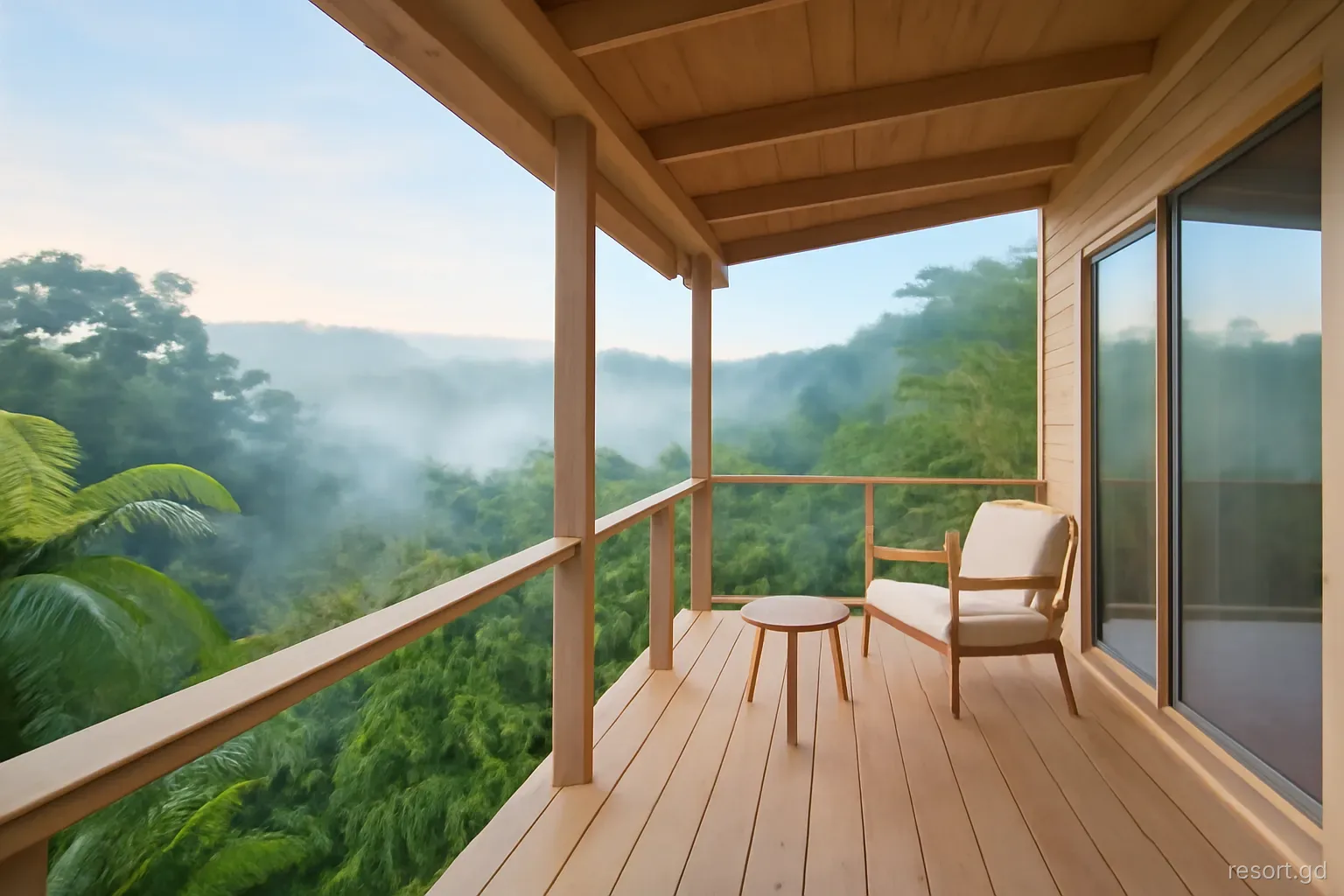
The brochure version of a rainforest stay in Grenada is a veranda, a hammock, a view down a green valley and a hummingbird at the feeder. All of that is real. So is the chorus of tree frogs that starts at dusk and does not stop, the towel that never quite dries, and the last half-kilometre of track that your hire car may not like after a night of rain.
None of this is a reason to avoid the hills. Most people who stay near the Grand Etang forest or on the wetter slopes of St Andrew and St John remember it as the best part of the trip. But the gap between expectation and reality is where disappointment happens, and a few honest notes close it. What follows is what guests most often wish they had been told before they arrived.
The nights are loud, and not with traffic
The first surprise for many visitors is noise. Grenada's small whistling frogs, which call from leaves and crevices all around a hillside property, can produce a high-pitched, continuous chorus from dusk until dawn. Crickets and other insects join in, and in heavy rain the sound on a galvanised roof can be impressive. Light sleepers who imagine silence should pack earplugs.
Dawn brings its own soundtrack. Birds start early, and in some valleys you may hear roosters from smallholdings below or the call of mona monkeys, the West African species introduced to Grenada centuries ago and now living wild in the forest around Grand Etang. Dogs bark in every rural district.
Most guests adjust within a night or two and many come to enjoy it. It helps to know it is coming, and to choose a room facing away from the gully if you are particularly sensitive. Asking the host which rooms are quietest is a perfectly normal request and usually gets an honest answer.
Damp is part of the deal
Clothes stay damp. In the wetter months, and on the higher slopes all year, humidity stays high. Cotton dries slowly, swimwear may still be wet the next morning, and leather goods can develop mould within a week if packed away damp. Quick-dry fabrics are far more practical.
Electronics need care. Keep cameras and phones in a dry bag or a sealed container with silica gel packets overnight, especially if they have been in the rain. Condensation forms when a cold device meets warm, humid air.
Rooms smell of the forest. A slightly earthy smell in wooden rooms is normal in the tropics. Strong mustiness or visible mould on walls is not, and is worth raising with the host straight away.
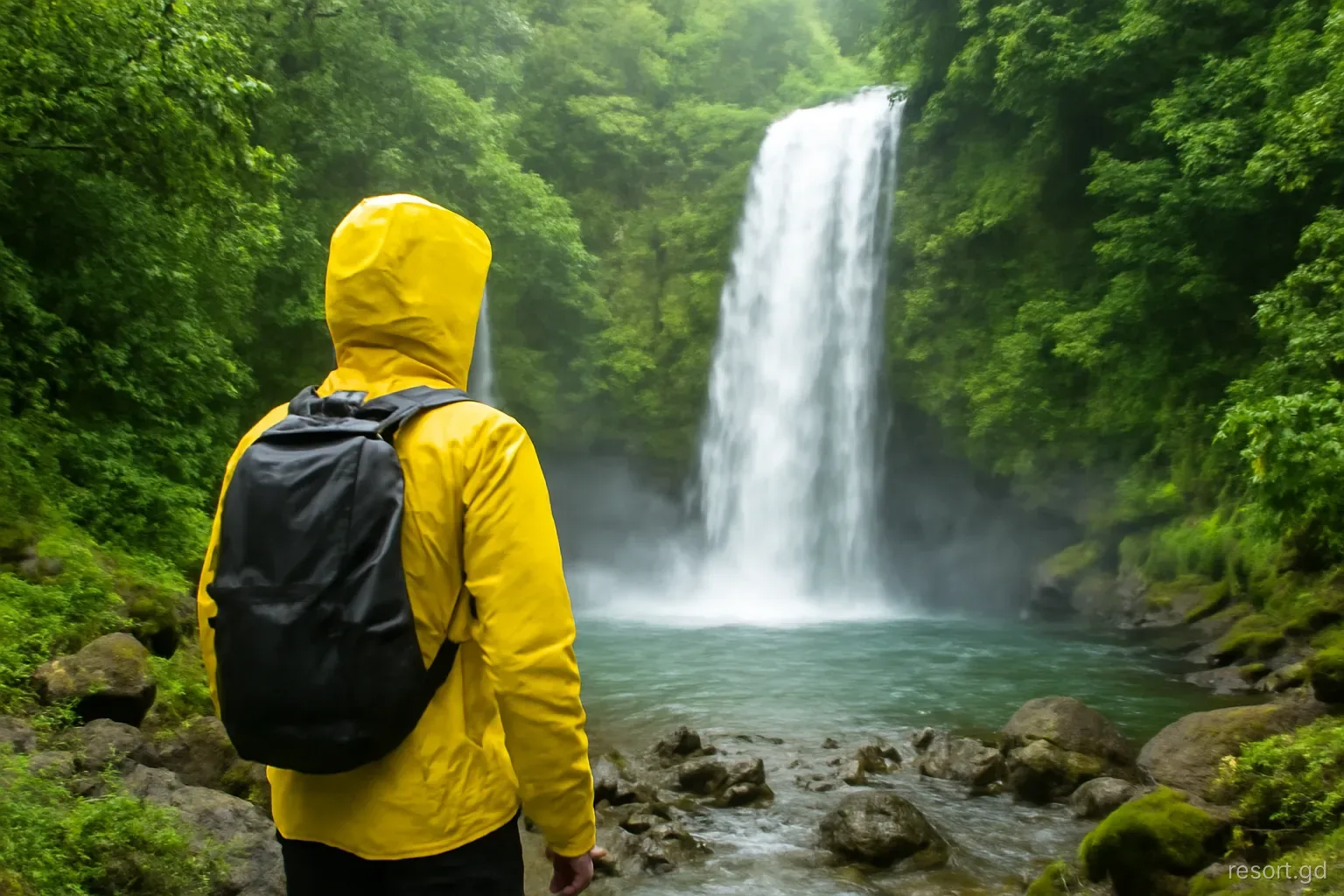
Rain arrives quickly. Showers often come in fast, pour hard for ten or twenty minutes and move on. A light rain jacket or umbrella is more useful than a heavy waterproof, which is uncomfortable in the heat.
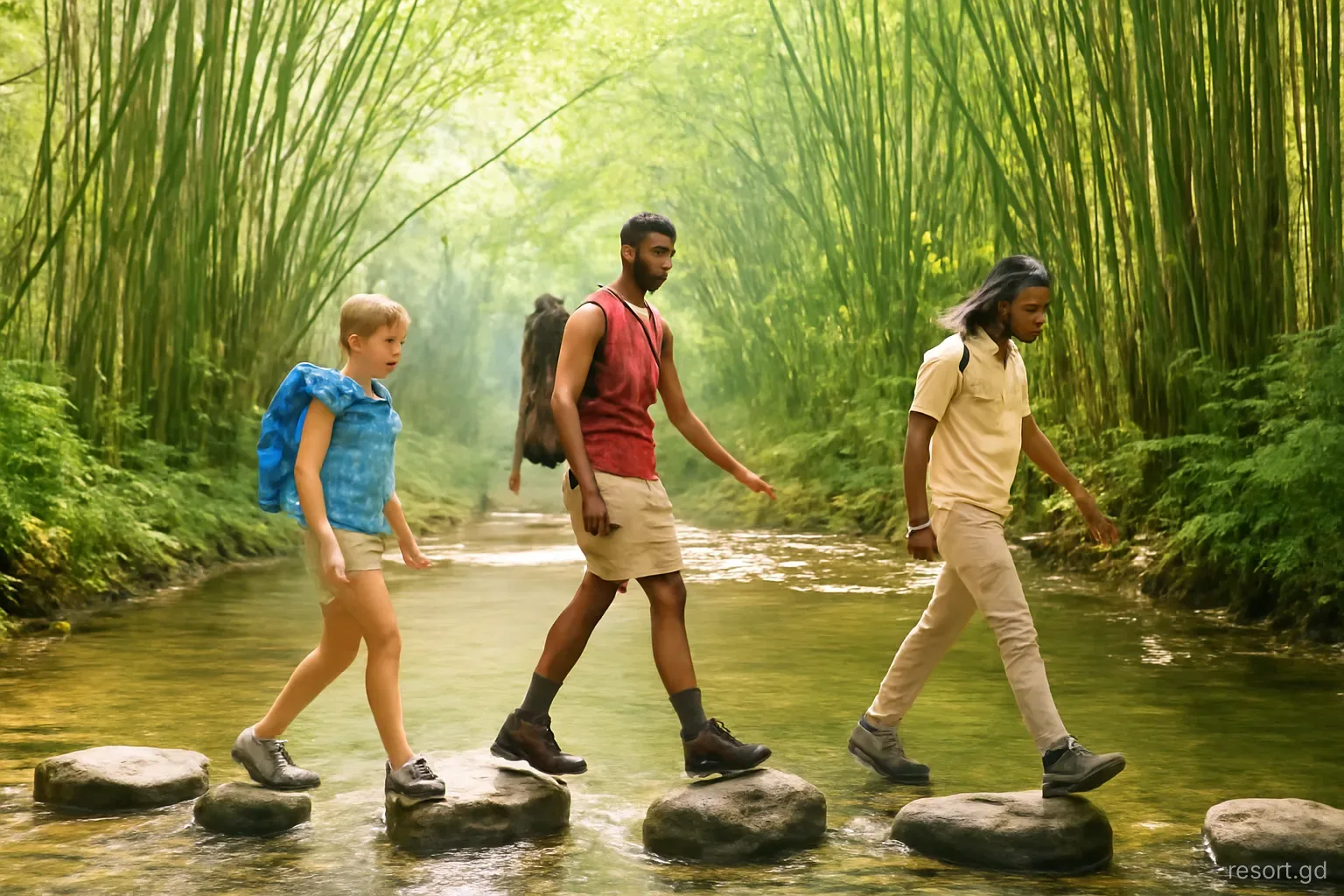
Paths get slippery. Clay, moss and wet leaves make steps and trails treacherous. Shoes with good grip matter more than hiking boots for short walks around the property.
Insects, and what actually helps
Mosquitoes are present across Grenada and more noticeable near standing water, damp gardens and forest edges, particularly at dawn and dusk. Dengue fever occurs in the Caribbean, so using repellent is about health as well as comfort. Repellent containing DEET or picaridin, long sleeves in the evening and a fan blowing across the bed all reduce bites considerably.
Good lodges fit screens to windows, provide mosquito nets where screens are not practical, and keep gutters and containers free of standing water. If a room has neither screens nor nets, ask before booking. Burning coils on a veranda is common but less effective than a fan and repellent.
Sandflies can bite at some beaches and river mouths in the late afternoon. Ants find any crumb left out, so keep food sealed. You may also meet geckos, which are harmless and eat insects, large moths attracted to lights, and occasionally a frog in the shower. Grenada has no dangerous venomous snakes; the snakes you might see, such as the tree boa, are not a threat to people who leave them alone.
Roads, tracks and getting in after dark
Many hillside properties are reached by a steep side road that leaves the main route and climbs, sometimes on concrete strips with grass in the middle. In dry weather a normal hire car usually copes. After heavy rain, a small car with worn tyres can lose grip on the steepest pitches. Ask the host directly whether guests manage in a standard car or whether a four-wheel-drive is advisable, and believe the answer.
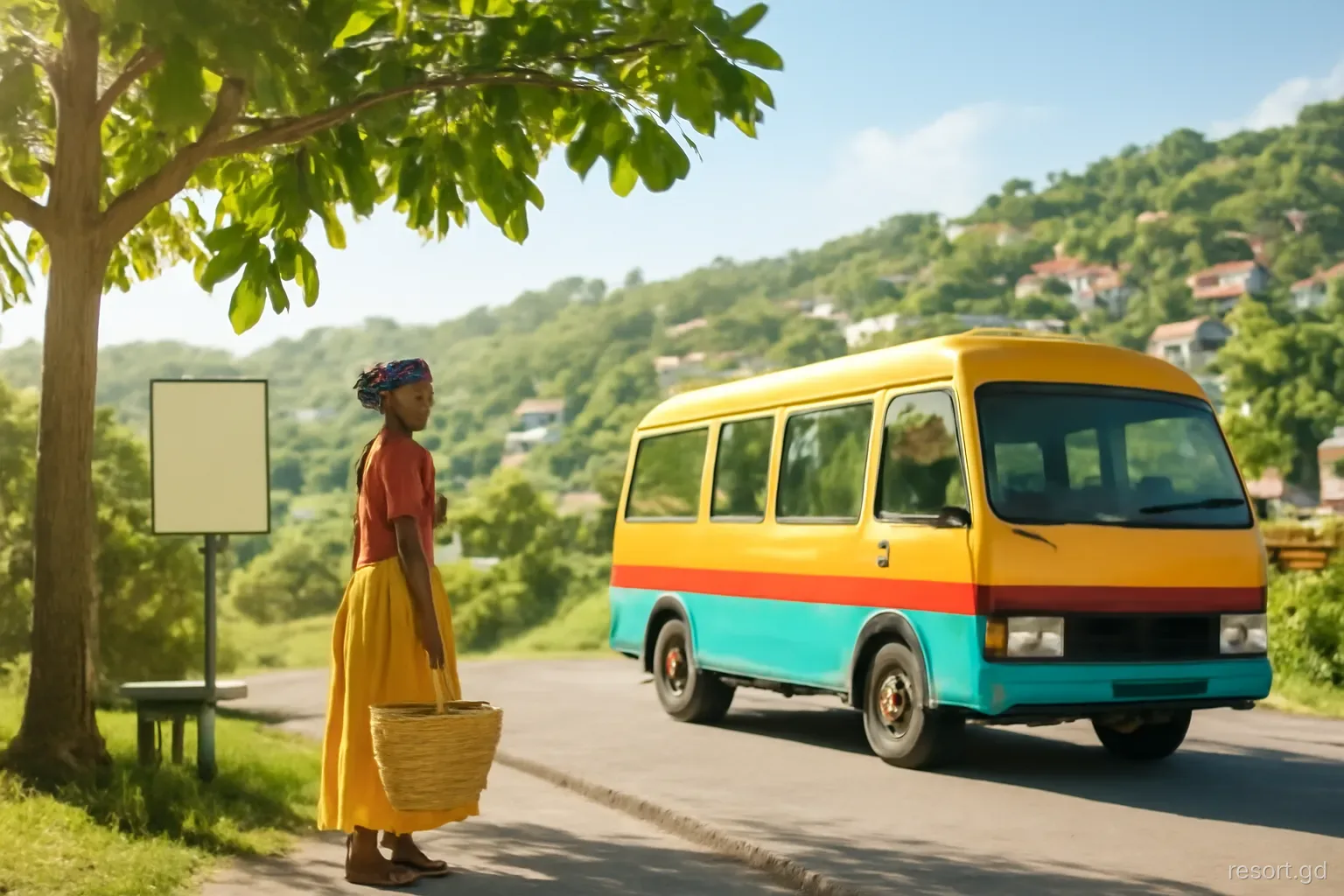
Driving the main mountain road over Grand Etang in daylight is fine for confident drivers, but it is narrow, winding and often wet, with buses coming the other way and no street lighting. Plan to arrive before dark on your first day; in Grenada darkness falls between roughly 6 and 6.30 pm all year. Leaving the airport at 5 pm after a long flight and climbing into the hills is how many stays start badly.
Remember that traffic drives on the left and that a local driving permit is required with a foreign licence; car hire firms arrange it. If driving is not appealing, ask the lodge to arrange a driver for arrival and departure.
A short packing list for the hills
Most of what you need for a Grenada beach holiday works in the hills too. These additions make the difference between coping and enjoying it.
- Earplugs and an eye mask, for frogs, roosters and early light.
- Quick-dry clothes and at least one long-sleeved layer for cool, damp evenings above about 400 metres.
- Insect repellent with DEET or picaridin, and after-bite cream.
- Sandals or shoes with good grip, plus a second pair in case one gets soaked.
- A small dry bag and silica gel packets for phones and cameras.
- A head torch, because paths between cottages and the main house are often unlit and power cuts happen.
- A reusable bottle, since many lodges offer filtered water refills.
- Cash in EC dollars for village shops, rum shops and roadside fruit stalls that do not take cards.
Food, shops and the realities of being remote
Hillside lodges are rarely within walking distance of a supermarket, and village shops stock basics rather than everything a holiday kitchen might want. If the property is self-catering, stock up on the way from the airport, at the larger supermarkets around Grand Anse or in St George's, before heading into the hills. Fresh fruit, vegetables and fish are best bought from roadside vendors and markets as you go, and hosts usually know who is selling what that week.
Many rural lodges offer breakfast and some cook dinner on request, often with a day's notice so ingredients can be bought. Restaurants outside the main towns are few and may close early or on certain days, so do not count on finding a meal at 9 pm. On Fridays, the fish fry in Gouyave draws a crowd from across the island and makes a good evening out if you are staying in St John or the interior. Ask the host what is realistic each evening rather than setting off hungry on dark roads.
Why it is still worth it
Set against the frogs and damp is a version of Grenada that the beach strip cannot offer. Waking to cloud lifting off the ridges, walking to a waterfall before anyone else arrives, eating a breakfast of local cocoa tea, bakes and fruit picked that morning, and sitting on a veranda as the light goes are the reasons people come back. The air is fresher and the temperature at night is often several degrees lower than on the coast.
Rural hosts tend to know their land intimately: which trees are nutmeg and which are mace-bearing females, where the hummingbirds feed, which trail is too slippery this week. That knowledge is the real amenity. Ask for it, and the stay becomes an education as well as a rest.
A sensible plan for many visitors is a few nights in the hills followed by a few on the coast. The contrast makes both better, and nobody has to choose between forest and sea.
Frequently asked questions
Is it much cooler near Grand Etang than on the beach?
Usually, yes. Higher slopes are often several degrees cooler than the south coast, especially at night and in the early morning, and the cloud and breeze make a real difference. Bring a light long-sleeved layer for evenings on a veranda.
Are there dangerous animals in Grenada's rainforest?
No large dangerous animals or venomous snakes live on Grenada. The main nuisances are mosquitoes, ants and sandflies. Mona monkeys should not be fed or approached, as they can become bold, and leaving them alone keeps their behaviour natural.
Do rainforest lodges lose power often?
Rural areas can experience occasional outages, especially during storms, and steep sites may take longer to reconnect. Many lodges keep backup lighting, solar or a generator. Carry a head torch and keep devices charged when heavy rain is forecast.
When is the driest time to stay in the hills?
The dry season, roughly January to May, brings fewer and shorter showers, although the interior stays green and can still be wet. From June to December rain is more frequent and heavier, which makes waterfalls fuller but trails muddier.
Is a four-wheel-drive needed for a hillside lodge?
It depends on the access road. Ask the host whether guests manage in a standard car in wet weather. For many properties a regular car is fine; for a few steep tracks a higher vehicle with good tyres is safer after rain.