Most visitors to Grenada sleep within a few kilometres of Grand Anse or Point Salines, and with good reason: the airport, the calm Caribbean beaches and most restaurants are there. Anyone who wants mornings with birdsong instead of traffic, though, has to look elsewhere, and the island offers four quite different settings for a nature-focused stay.
The interior around Grand Etang is wet, cool and forested. The south-east coast of St David mixes bays, mangroves and spice gardens. The Atlantic side of St Andrew is agricultural, breezy and little visited. The far north in St Patrick has wild beaches, turtle nesting and old estates. Each has a different climate, a different drive from the airport and different trade-offs. This comparison sets them side by side so you can pick the one that fits your trip, or split a stay between two.
The interior: Grand Etang and the central ridges
The mountainous spine of the island, much of it protected within the Grand Etang National Park and Forest Reserve, is where Grenada is greenest. The crater lake sits at roughly 530 metres, and the ridges around it collect several times the rainfall of the south coast. That brings tree ferns, mahogany, bamboo, mist in the mornings and night temperatures noticeably lower than at the beach, which many visitors find a welcome change.
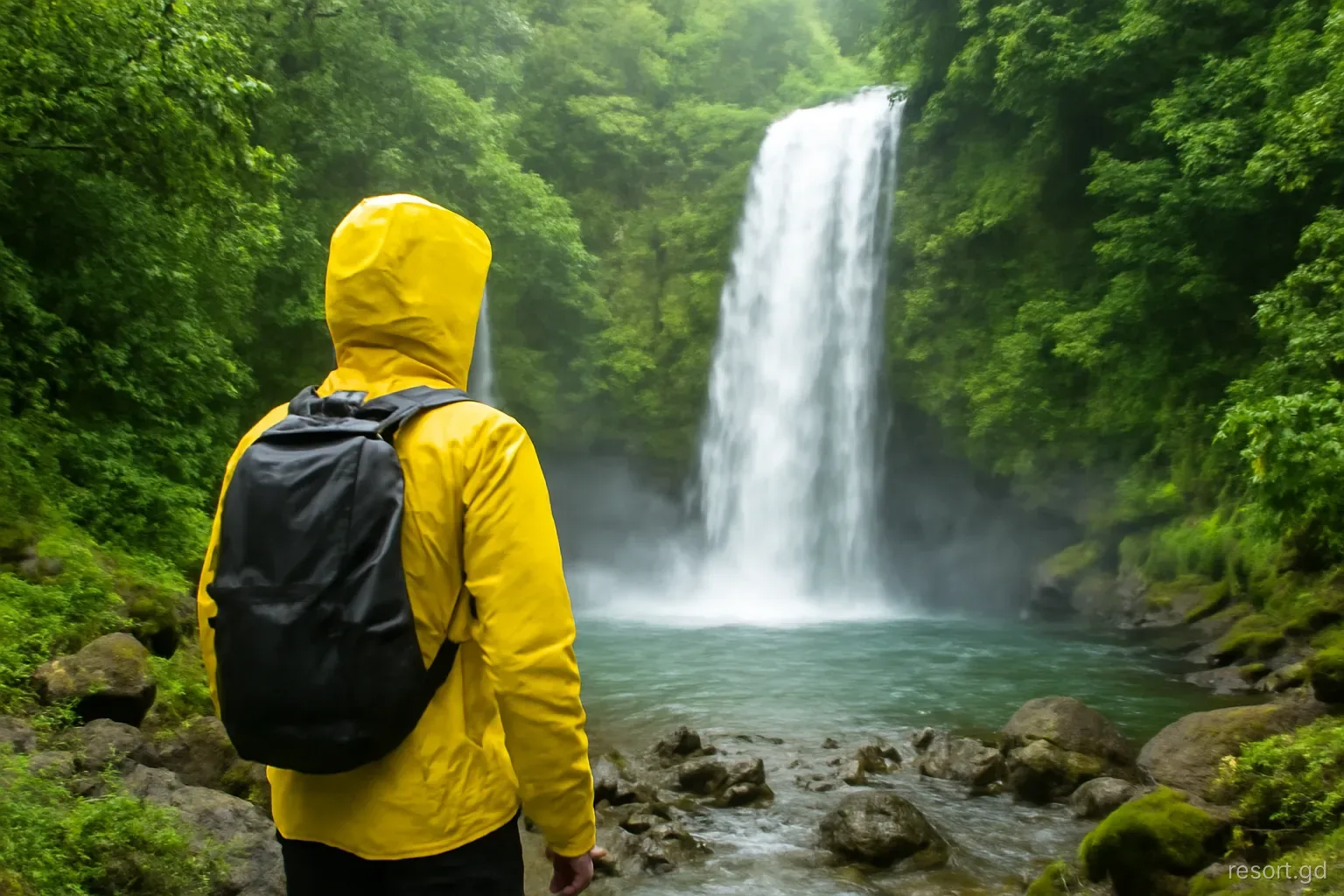
Accommodation right inside the forest reserve is very limited, so a nature stay here usually means a cottage or guesthouse on the slopes below it, on the St George side near the Annandale area or on the St Andrew side towards Grenville. From these bases the trails to Mount Qua Qua, the shoreline path around the lake and waterfalls such as Annandale, Seven Sisters and Concord are all within a reasonable drive.
The drawbacks are rain, humidity and roads. The Grand Etang road climbs in tight bends, is slow in wet weather and is best not driven for the first time after dark. Beaches are at least 30 to 45 minutes away. This base suits hikers and people who prefer cool nights to sea swimming.
The south-east: St David's bays and spice country
St David is the closest rural parish to the airport and the south-coast restaurants, often 20 to 40 minutes' drive depending on where you stay. Its coastline is cut into a series of bays and headlands, including La Sagesse, where a small inn sits beside a beach, a salt pond and mangroves that are good for birdwatching. Inland, the land rises into farms and spice gardens, with the Laura Herb and Spice Garden among the places that explain nutmeg, cinnamon and cocoa in the field.
This is the easiest area to combine nature with convenience. You can spend a morning on a quiet bay, drive to Grand Anse for dinner and be back without crossing the mountains. Several small lodges and self-catering cottages on the St David hillsides use the breeze and the slope rather than air conditioning.
The sea here is the transition between the calm Caribbean and the open Atlantic. Some bays are sheltered by reef and gentle; others have surf and currents. Sargassum seaweed can also wash onto east-facing bays in certain months. Ask your host which beaches are safe for swimming at the time of your visit.
St Andrew: the Atlantic side
Grenada's largest parish faces the Atlantic, centred on Grenville, the island's second town. It is farming country: cocoa, bananas, nutmeg and ground provisions, with rivers coming down from the interior and a coastline that is mostly rough and windswept rather than postcard-calm. The old Pearls airstrip lies north of Grenville, and the area towards Marquis has waterfalls, including Royal Mount Carmel, often described as the tallest on the island.
Visitor accommodation is sparse and mainly small guesthouses, cottages and rooms in family homes, which is exactly why some travellers choose it. You see daily rural life at close quarters, the Grenville market on a Saturday morning, and a side of the island that day-trippers pass through without stopping.
The trade-offs are distance and sea conditions. It is about an hour from the airport by the coast or over the mountain, restaurants are few and close early, and the Atlantic beaches are generally not for casual swimming because of surf and rip currents. Come for walks, rivers and quiet rather than beach days.
St Patrick: the far north
Wild coastline. The north end of the island, around Sauteurs, River Sallee and Levera, has some of Grenada's most dramatic shoreline. Levera National Park takes in a long beach, a pond and mangroves, with Sugar Loaf, Green and Sandy islands offshore. Bathway Beach has a stretch of water sheltered by a natural rock reef, unusual on this coast.
Turtles and birds. Levera is one of the main nesting beaches for leatherback turtles during the nesting season, and the pond and mangroves attract waterbirds. Turtle watching should only be done with an organised, guided group.
Estates and heritage. Belmont Estate near Hermitage runs cocoa and heritage tours, River Antoine still makes rum using a water wheel, and Sauteurs has the clifftop site known as Leapers' Hill. Small chocolate makers also operate in the parish.
Where to sleep. Choice is limited to a few small hotels, cottages and guesthouses around Sauteurs and along the north coast, plus some villas. Book early in turtle season.
What to weigh up. The drive from the airport is often 60 to 80 minutes. Evenings are very quiet, and you will need a car or a reliable driver to explore.
Climate differences across the island
Grenada is small, but its weather varies sharply over short distances, and that should shape where you stay. The south-west peninsula around Point Salines and Grand Anse is the driest part of the main island, with scrubby vegetation in the dry season. Rainfall rises steadily as you move north and inland: the central mountains are the wettest, and the slopes facing the Atlantic catch more showers on the trade winds than the Caribbean side.
In practice, a lodge in St David or near Sauteurs may enjoy sunshine for most of a February day while the ridges around Grand Etang sit in cloud. During the wetter months from about June to December, the interior can see heavy rain on many afternoons, which fills the waterfalls but makes trails muddy and some side roads difficult. If dry weather matters to you, favour the coast; if lush forest matters more, accept the showers and pack accordingly. Your host is the best guide to how a particular hillside behaves in the month you plan to visit.
Choosing, or splitting the stay
For a first visit of a week or less, the simplest plan is to base yourself in St David, which gives nature on the doorstep without cutting you off from the rest of the island. A walker who wants the forest above all should look at the slopes around Grand Etang, accepting the rain. Turtle season, roughly the spring and early summer months, is the strongest reason to sleep in St Patrick.
With ten days or more, splitting works well: three or four nights in the north or interior, then the rest near the south coast, or the other way round. Grenada is small enough that moving once costs only a morning, and it avoids the long return drives that eat into day trips. It also gives you two quite different experiences of the island rather than one.
Whatever you choose, check how far the property is from a usable road, whether the last stretch needs a four-wheel-drive vehicle, and where the nearest shop is. Rural Grenada is safe and friendly, but services thin out quickly once you leave the main roads, and few places deliver.
Frequently asked questions
Which part of Grenada is best for a rainforest stay?
The slopes below the Grand Etang Forest Reserve, on either the St George or St Andrew side, put you closest to the forest trails and waterfalls. Expect more rain, cooler nights and slower roads than on the coast, and plan beach days as excursions.
How far is Levera from the airport?
Allow roughly an hour to an hour and a half by road from Maurice Bishop International Airport to the Levera and Sauteurs area, depending on the route and traffic through St George's or Grenville. Driving after dark on unfamiliar roads takes longer.
Can you swim on Grenada's east coast?
Some spots are sheltered, such as parts of Bathway Beach and certain bays in St David, but much of the Atlantic coast has surf and rip currents. Ask locally before entering the water and avoid swimming alone on unfamiliar beaches.
Is St David a good compromise between nature and convenience?
Yes, for most visitors. It is close to the airport and south-coast restaurants, has quiet bays, mangroves and spice gardens, and offers several small lodges and cottages. It lacks the deep forest of the interior and the wildness of the north.
Do you need a car for a rural nature stay in Grenada?
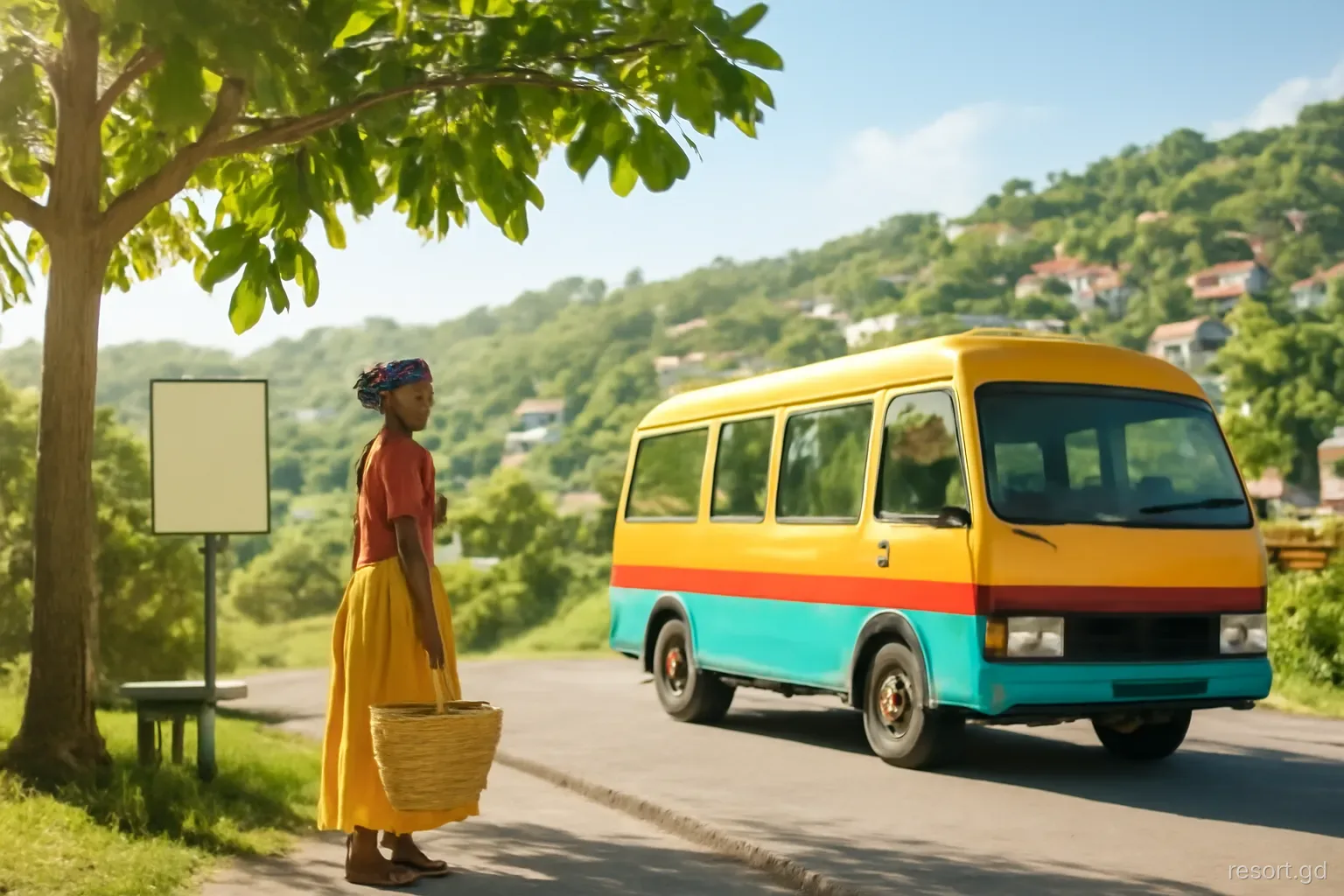
It helps a great deal. Route buses run on the main roads during the day, but many lodges sit up side roads, and evening services are thin. Hiring a car with a local driving permit, or arranging a trusted driver through your host, is usual.